A habeas corpus petition asks a judge to order the body of a detained person brought before the court. The government then has to show a lawful basis for the detention. If it cannot, the judge can order release, or a conditional order telling the government to fix the unlawful part of the custody or let the person go.
more
Immigration lawyers in the US are filing habeas petitions, SCOTUSblog reports. It counts more than 52,000 filed in federal district courts by lawyers for people held by Immigration and Customs Enforcement. ICE now holds more than 60,000 people on a typical day, against about 40,000 in January 2025.
What the petition makes the government prove
The case of Adham Amin Hassoun shows the mechanism at work. After a prison sentence, he was moved to immigration custody in 2017, but as a stateless Palestinian no country would take him. He filed a habeas petition arguing that his removal was not reasonably foreseeable, so his detention was no longer lawful. On January 2, 2019, the court agreed and ordered him freed.
The government kept him anyway, citing a little-used immigration rule and the Patriot Act. It said only officials could decide whether he was dangerous. A second petition put that claim in front of a judge. The court required “clear and convincing evidence” that he was a danger to national security, according to the ACLU, which represented him.
The government’s case rested largely on a jailhouse informant with a record of lying. Once that came out, the government conceded it could not prove he was dangerous. The court ordered his release on June 29, 2020.
Where the writ comes from
The Constitution protects the “Privilege of the Writ of Habeas Corpus”. It allows suspension only in cases of rebellion or invasion when public safety requires it. Lawfare notes the general view that only Congress, not the president alone, may suspend it.
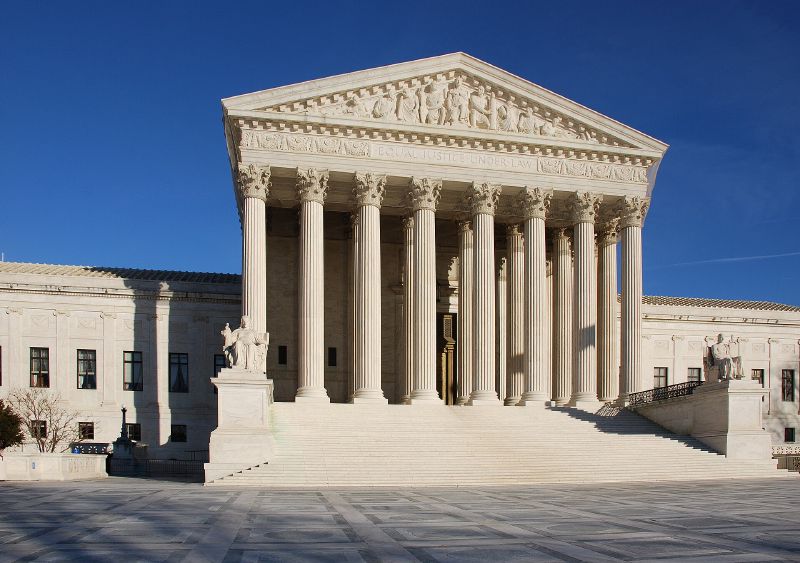
The writ also reached Guantánamo. In Rasul versus Bush in 2004 the Supreme Court held that detainees there could petition, and Boumediene versus Bush in 2008 gave them a constitutional right to have a court review their detention.
Where it has narrowed
Winning is harder for someone convicted in a state court. Erwin Chemerinsky, writing in the ABA Journal, describes a 1996 law that set a one-year deadline and generally limited a prisoner to one petition against a conviction. In Shinn v. Ramirez in 2022, the Supreme Court barred federal judges from hearing new evidence of poor legal representation that the state record did not already hold.
Detention cases are now testing the writ again. Lawfare follows three students and scholars arrested over pro-Palestinian advocacy, including Mahmoud Khalil of Columbia University. Their lawyers challenged the detention within hours of each arrest. The government argues that Congress routed such challenges away from federal courts and into the immigration review system.
Who pays for the lawyer
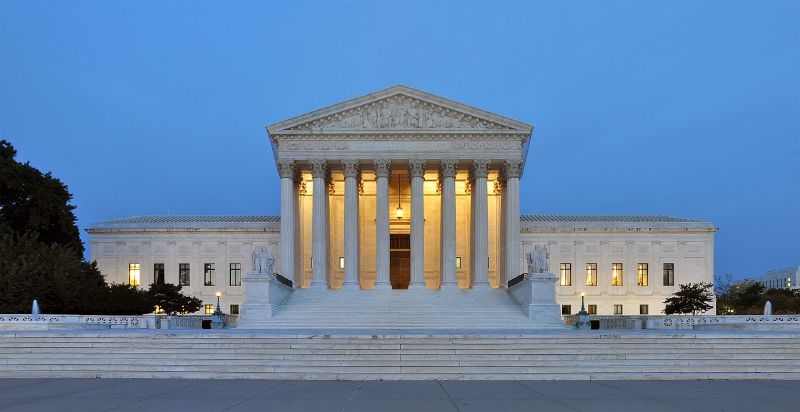
The next fight may be over fees. The 4th and 5th Circuits treat immigration habeas as outside a law that lets winners recover legal costs from the government. The 2nd, 3rd and 10th Circuits disagree. Because a petition goes to the court where the person is held, a lawyer’s chance of being paid depends on the map. The Supreme Court has been asked to settle it in Montoya Palacios v. Liggins.