In 1978 the Indian Child Welfare Act (ICWA) changed how US states place Native American children in foster care or adoption. It requires states to notify the tribe and give it a role in the case. It also sets an order of preference: extended family first, then the child’s tribe, then another Native family.
more
The law arrived after a century of removals. Starting in 1860, the Bureau of Indian Affairs opened the first of more than 350 boarding schools built to assimilate Native children. By the 1920s, nearly 83% of school-age Native children were enrolled in one, where a government report found many malnourished, overworked and harshly punished. Boarding school attendance peaked at 60,000 pupils in 1973. Alongside the schools ran the Indian Adoption Project, which placed 395 Native children from western states with white families in the Midwest and on the East Coast. By the 1970s, between 25% and 35% of Native children nationally had been removed from their families. Most went to white families or to institutions aimed at erasing their culture.
What the law actually requires
ICWA sets out protocols for state courts handling custody cases involving a child who is a tribal member or eligible for membership. The tribe must be notified and given a role in the proceedings. Child welfare agencies must follow a placement preference order: the child’s extended family first, then a family from their own tribe, then another Native American family, ahead of any placement outside those groups.
Enforcement has been uneven. No federal agency monitors compliance. The Bureau of Indian Affairs issued guidelines in 2016 meant to tighten enforcement, but tribal officials say state welfare agencies often treated them as suggestions rather than binding rules. That gap is what put the law in front of the Supreme Court. In 2016, a 10-month-old Navajo and Cherokee boy was placed with a white Texas couple, Chad and Jennifer Brackeen, who later adopted him. When the Navajo Nation asked for the boy to be placed with a Navajo family instead, the Brackeens sued. They argued ICWA discriminated against them on the basis of race and gave the federal government too much power over decisions states normally control.
What the Supreme Court decided
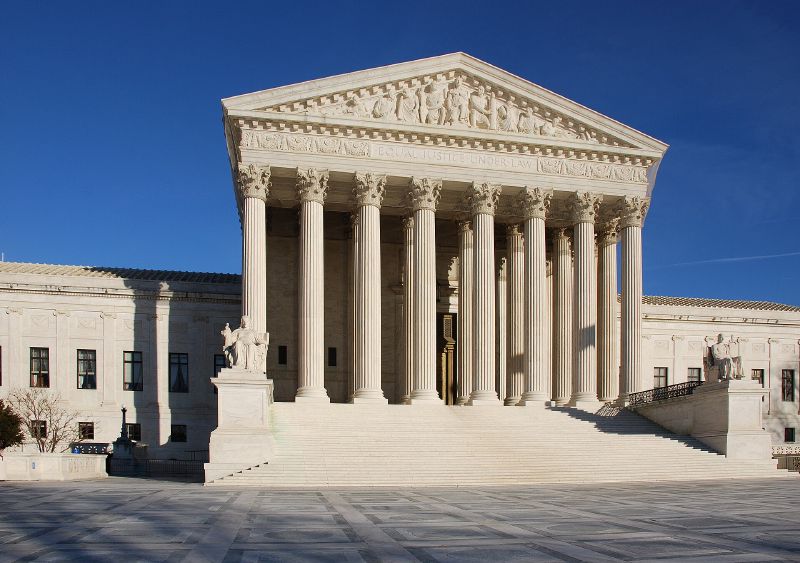
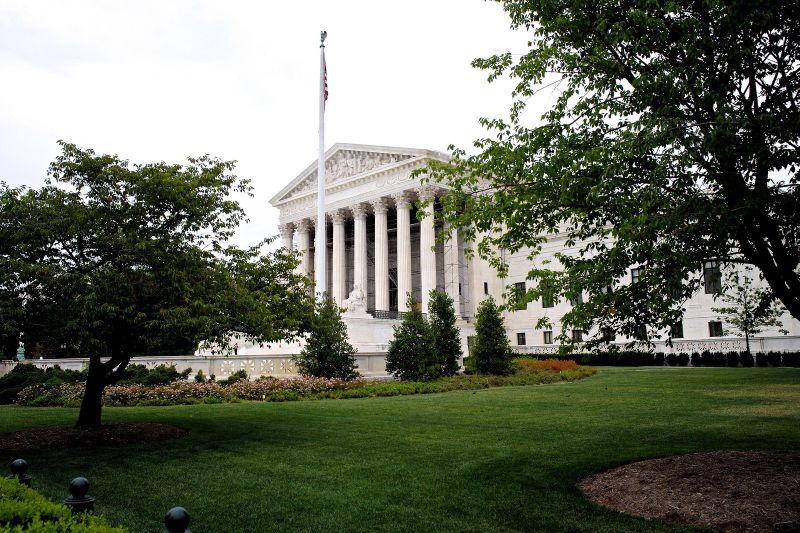
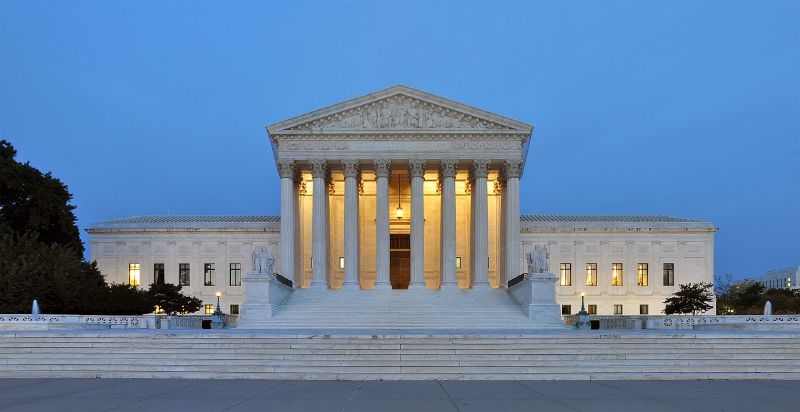
The case, Haaland v. Brackeen, reached oral argument on November 9, 2022. On June 15, 2023, the court ruled 7-2 to uphold the law, in an opinion written by Justice Amy Coney Barrett. Justice Neal Gorsuch concurred, setting the ruling against the long history between tribes and the federal government. He wrote that tribal sovereignty holds “an enduring place” in American life. Justices Clarence Thomas and Samuel Alito dissented. Justice Brett Kavanaugh joined the majority but wrote separately that he thought the underlying equal-protection question remained “serious” and unresolved.
The ruling left one question open. The Brackeens still wanted to adopt the boy’s younger half-sister. Their lawyer, Matthew McGill, said the family would take their discrimination argument to state court instead, since the Supreme Court had not ruled on that specific claim.
How tribes responded
The Native American Rights Fund counted 497 tribal nations and 62 Native organisations among the groups that had backed the law in briefs to the court, alongside 23 states and dozens of members of Congress. Four tribal leaders, including Cherokee Nation Principal Chief Chuck Hoskin Jr., issued a joint statement welcoming the decision. Navajo Nation President Buu Nygren called it a win for Indigenous children and nations “in the United States.”
For people who grew up inside the system ICWA was built to change, the ruling read differently. Jasmine Grika is a citizen of the Cheyenne River Sioux Tribe who was placed with two foster families before an Ojibwe and Jewish couple adopted her. She told TODAY she could “only wonder if we can ever take off our armour and truly feel… protected under the law.” Leslee Lovato-Romero was adopted by a Colorado couple in 1971, seven years before ICWA passed. She grew up without knowing her birth parents were Northern Arapaho and Sicangu Lakota until she traced them as an adult.