The African Union launched the African Continental Free Trade Area agreement in March 2018. Counted by member countries, it is the largest free trade area in the world, linking 55 African economies. Signing it was the quick part. The pact did not take effect until January 2021, and its pilot shipments began in 2022.
From signature to launch
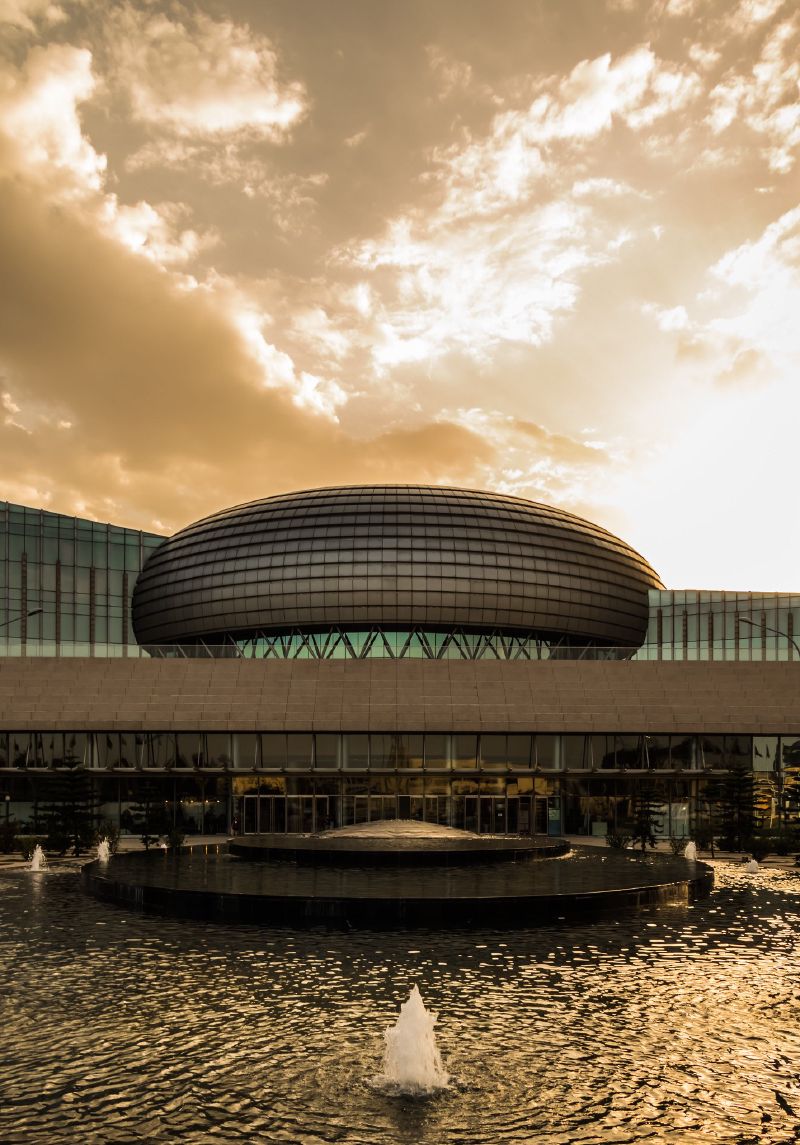
The agreement was a framework, not a finished deal. When leaders met in Niamey, Niger’s capital, to launch it formally, World Politics Review noted that members still had to negotiate the actual cuts to tariffs and other barriers. At that point it covered 54 of the African Union’s 55 members.
Its aims went beyond tariffs. Trudi Hartzenberg, executive director of the Trade Law Center in South Africa, listed three: more trade within Africa, a single market for goods and services, and freer movement of capital and people.
Then the pandemic intervened. The Diplomat reported that Covid-19 delayed the process, and that the bloc entered into force only in January 2021.
Why Africa trades so little with itself
Most African countries trade far more with partners outside the continent than with each other. The sources put the gap differently. Hartzenberg put trade within Africa at about 17 percent of the continent’s total. The Diplomat put it at about 11 percent.
Much of what does move stays inside older blocs. More than half of it happens within the Southern African Customs Union, according to Hartzenberg. Africa’s top exports are also mostly raw materials such as petroleum oils, gold, diamonds, and cocoa beans, which its neighbours do not chiefly import.
The first shipments
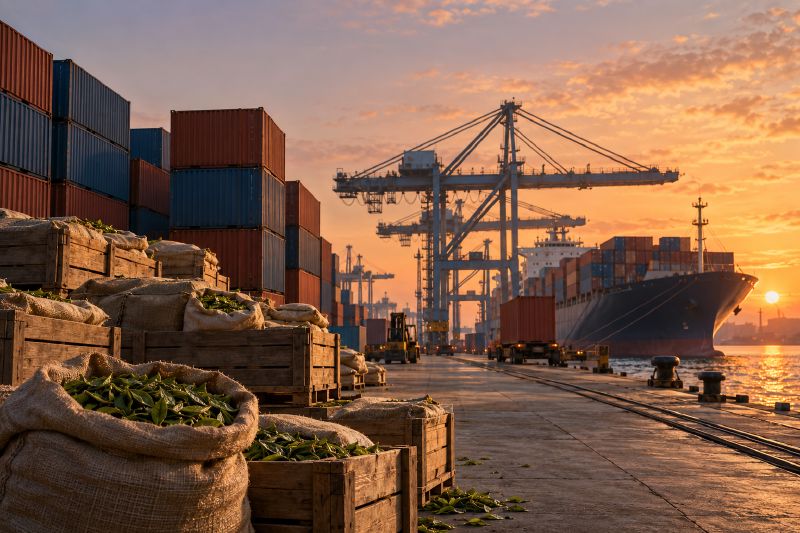
In 2022, Kenya sent car batteries and tea to Ghana, its first deliveries in an AfCFTA pilot. Eight countries, Kenya and Ghana among them, took part in the trial phase, which began in July. Rwanda sent its first consignment of coffee to Ghana under the same agreement.
Nixon Paloma, finance manager at the battery maker Associated Battery Manufacturers, said one of the main gains was preferential tariffs. Ghana would lower its duty by 2 percent a year until it reached zero, he said, so his firm expected to export there tariff-free within 10 years.
Ghana’s high commissioner to Kenya, Damptey Bediako Asare, said the pilot grew from an idea of starting with the countries that were ready, rather than waiting for all of them. He also warned that landlocked members need better infrastructure to take part.
Not everyone calls it free trade. Kwame Owino, chief executive of Kenya’s Institute of Economic Affairs, described it as a “guided-trade agreement” and expected the existing regional blocs to stay stronger for some time.