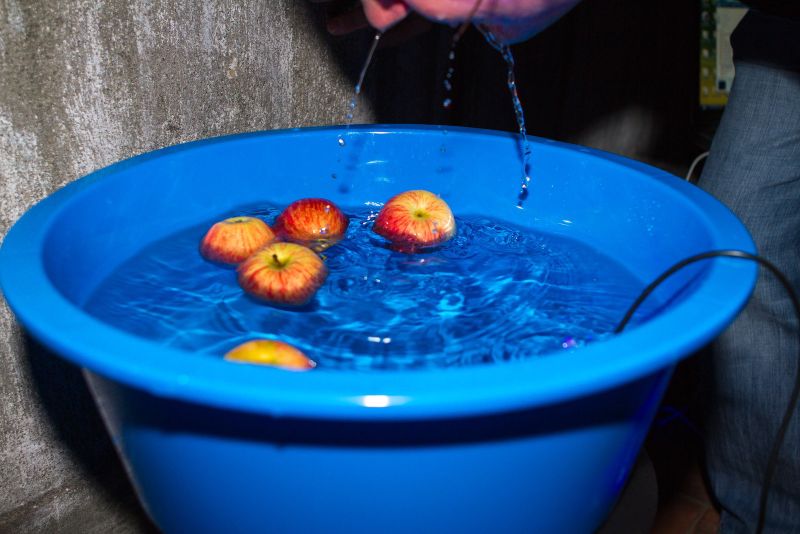
People bobbed for apples at Halloween because the game was a way to see the future. In the version the Guardian describes, the fruit that landed between your teeth named the person you would marry.
more
The game sounds like a soggy party trick now.
How did the game work?
The Guardian’s gardening writer describes a village custom in which girls dunked for apples. A local bachelor’s initial was cut into each apple. The initial on the apple you caught showed the man you would end up with.
A related custom needed no water. A young woman pared an apple in one long strip and threw the peel over her shoulder. The peel was said to fall in the shape of the first letter of her future husband’s name.
Why apples, and why Halloween?
The Guardian links the fruit to the Celts, for whom apples belonged to the other world, the Isle of Apples called Avalon. It suggests the magic may come from how many apples there are at Samhain, which falls on the cusp of October and November.
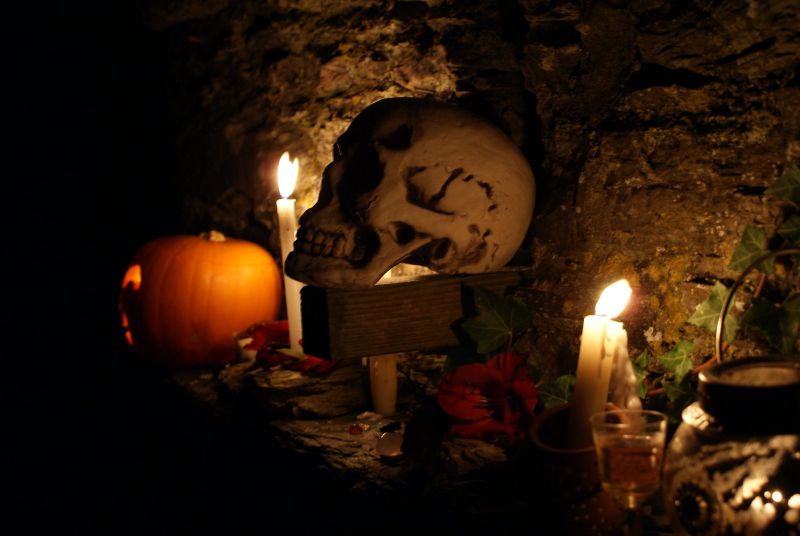
Celts believed that at Samhain the veil between the living and the dead thinned, so people could meet their ancestors and tell the future. BBC Newsround also describes Samhain as a day when the gap between our world and the spirit world blurred. Apples took on the same association with magic and divination, and bobbing grew out of it.
There is a practical side too. The Guardian notes that apples store deep into winter with no fancy equipment, so they were a sensible fruit to revere.
Not every account agrees on where the game began. BBC Newsround says some historians believe the Romans invented it, and that it spread across Europe with their empire.
Does anyone still play?
Children do. At Apple Day events around 21 October, the Guardian says, they get soaked from the shoulders up and rarely think of Avalon, ancestors or a future spouse.