One locked phone became a national fight because the FBI asked a US court to make Apple write software that did not exist. On February 16, 2016, Magistrate Judge Sheri Pym ordered Apple to build a custom version of iOS for the FBI. It would switch off the phone’s auto-erase feature and let agents feed in passcodes electronically, with no added delay between guesses. Apple said that tool would be a backdoor to the iPhone, and refused.
more
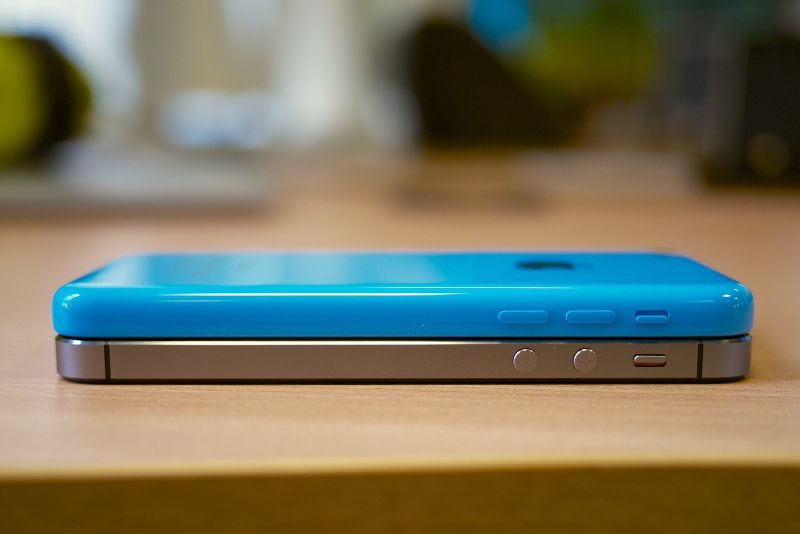
The phone was an iPhone 5C used by Syed Rizwan Farook. Farook and his wife, Tashfeen Malik, killed 14 people in San Bernardino, California, in December 2015. The FBI said it needed the data to learn whether the pair had worked with anyone else.
Why Apple said no
The FBI could not guess the code. After ten wrong tries the phone could erase itself, and iOS adds a small delay after each attempt. The security writer at Krebs on Security noted that brute force alone could take from a few hours to 5.5 years, depending on the passcode.
Tim Cook published an open letter at 4:30 in the morning after the order, timed for the East Coast news. He wrote that the government wanted “something we consider too dangerous to create”. Once built, he argued, the method could open any number of devices. According to WIRED, Cook and his team had worked 16 hours straight on the reply. Apple’s general counsel, Bruce Sewell, later called it “a bet-the-company kind of decision”.
An 18th-century law
The government leaned on the All Writs Act, an 18th-century catch-all statute that lets courts compel a person or company to act. Its filing ran to about 40 pages. Chris Soghoian of the American Civil Liberties Union told Ars Technica the Justice Department “went with the nuclear option”.
The FBI saw it differently. Director James Comey wrote that the bureau only wanted a chance to guess the passcode without the phone wiping itself. He said the tension between privacy and safety was for US courts to settle, not the FBI or Apple. Google, Microsoft and Facebook backed Apple.
How the case ended
It never reached a ruling. Weeks after the order, the Justice Department said the FBI had got into the phone with help from an unnamed third party, and asked the court to withdraw its order. Apple replied that the case “should never have been brought”.
For years the helper was widely assumed to be the Israeli firm Cellebrite. In 2021, The Register, following The Washington Post, reported it was the Australian firm Azimuth. The FBI reportedly paid $900,000 for the break-in. The phone held nothing of value.
The courts never settled the question of access to encrypted data. The Justice Department said it would keep using the courts to compel phone makers to help in future cases.