At Summerhill School in Suffolk, a child can walk past the maths classroom every day for two years and never once go in. A.S. Neill, who founded the school in 1921, built that choice into its design. Lessons ran, teachers stood ready, and pupils decided for themselves whether attending was worth their morning.
more
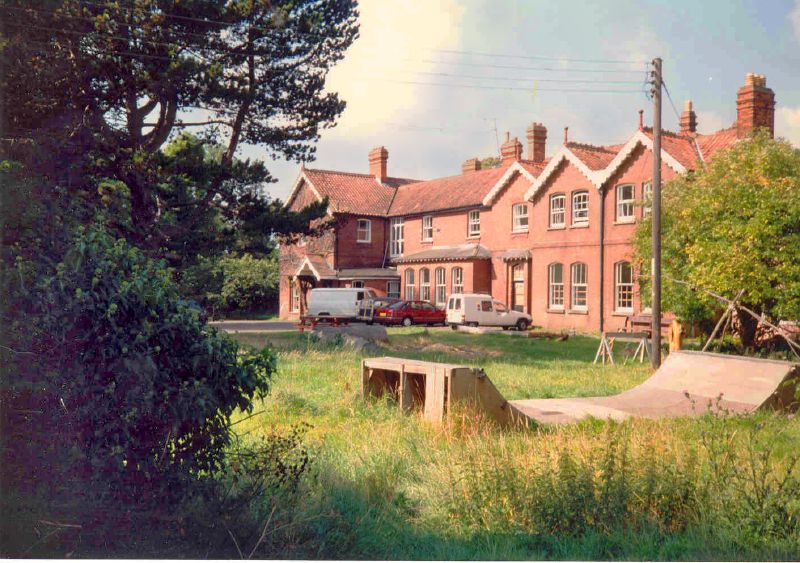
Neill was a Scottish teacher who had grown to loathe the discipline he was expected to impose on pupils elsewhere. Rather than adjust that system, he set out to build a different one: a school where children could have as much freedom as they wanted, in an old Victorian house at Leiston.
Why Neill trusted pupils to choose
Neill held that traditional schools denied young people the right to “play and play and play”. The school states its aim as creating “a happier childhood by removing fear and coercion by adults.”
In practice, many pupils found formal learning surprisingly enjoyable. Ishbel McWhirter arrived aged 12, after her mother read Neill’s book about the school. She recalled that Summerhill usually finished lessons at lunchtime, because Neill also protected free time as a priority. A group of pupils who wanted more academic work once called a special meeting and voted themselves an extra lesson. Writer Sam Swope, describing Neill’s own account of the school, said it depicted children “reared in happiness” and free to be themselves.
Self-government beyond the classroom
Choosing lessons was one piece of a wider system of self-government. Each week, a meeting of pupils and staff decided how the school ran, from bedtimes to behaviour rules. Every person present, adult or child, cast one equal vote. A pupil who broke a rule could be judged and sentenced by that same meeting, with penalties ranging from losing a day’s pudding to being barred from Neill’s trips to the sea.
When the UK’s Labour government tried to close Summerhill in 2000, Neill’s daughter Zoe Redhead was running the school by then. She fought the case, and won. Before that, Ofsted inspectors had found the school “not providing an adequate education for its pupils.” They pointed directly at the policy of optional lessons as the cause.
What did school inspectors make of letting pupils opt out?
Ofsted’s report was blunt. It found that pupils willing to work reached satisfactory or good standards, while pupils who opted out were “allowed to drift and fall behind”. Inspectors called the arrangement “an abrogation of educational responsibility,” arguing the school had confused genuine educational freedom with a pupil’s right not to be taught. Headteacher Zoe Redhead rejected the comparison outright. The inspectors, she said, were judging the school by the standards of a system the school was not even trying to follow.
Inspectors had once judged it differently. Her Majesty’s Inspectors reported on the school in 1949. They called Summerhill “fascinating and valuable educational research” that every educator ought to see. Tes argues that the school, once dismissed as a one-off oddity, was decades ahead on approaches mainstream teachers took seriously only later. Those include student councils and restorative justice.
Uneven results, for some pupils
Some pupils thrived on that freedom. Angus Dudgeon arrived at Summerhill in his teens after being expelled from Harrow. He spent his first two days breaking windows out of sheer disbelief at the freedom, then settled down and eventually went on to produce records for Pink Floyd. Others found the patchy teaching a genuine cost. Staff wages were low, and Summerhill was not every teacher’s dream posting, so some hires were not up to the job.
The doubts reached admirers too. Writer Sam Swope discovered Neill’s book as a teenager in Pennsylvania, too old to attend. He later chose his own classes at Middlebury College, which had dropped required courses. He described feeling “ignorant and cheated” when he met Oxford undergraduates who were fluent across subjects he had never studied. When he asked friends studying education at Harvard and Columbia what they thought of Summerhill, both replied, “What’s Summerhill?” A journalist he contacted about the school called its underlying philosophy “passé,” even among sympathetic educational thinkers.
Summerhill was still running in Leiston when pupils past and present marked its 90th anniversary in 2011.