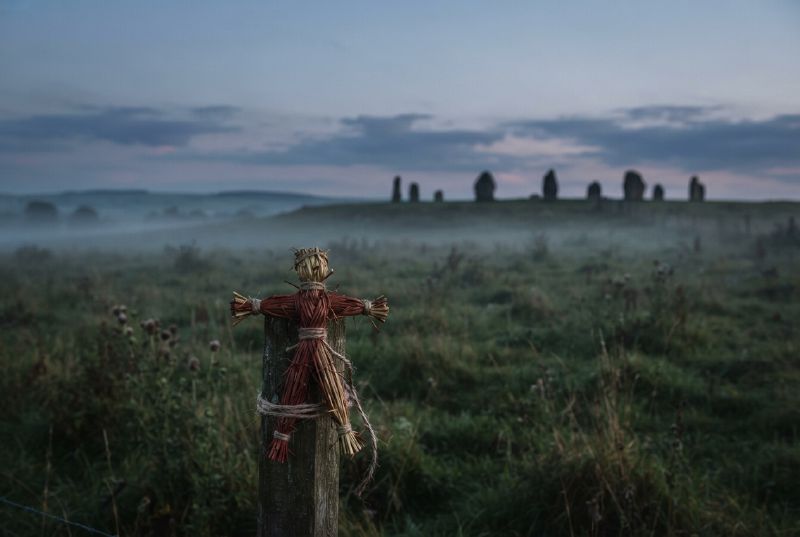
The Exorcist became known as a cursed film because people really did faint and fall ill after watching it, according to IndieWire. The sources the magazine holds describe that audience reaction. They do not describe a string of misfortunes on set.
more
What happened in the cinemas
The film reached theatres in 1973. Little White Lies describes moviegoers queuing for hours outside sold-out cinemas in bad weather. It says word of mouth spread the film’s reputation from person to person across the country.
IndieWire says the reactions can look like a publicity stunt today. It insists they were real, and that they led many people to call the film cursed. The magazine’s sources name no other cause for the label.
The numbers behind the rumour
Little White Lies reports that the film grossed over $428 million against a $12 million budget. It was the highest-grossing R-rated film until It in 2017, and the first horror film nominated for Best Picture at the Oscars.
What the director says it is
William Friedkin, the director, rejects the horror label. He told IndieWire that he and the author William Peter Blatty never discussed making a horror film. In his words, they made a film about “the mystery of faith”.
Little White Lies says the film works as drama as well as horror. It points to the scenes of the priest Damian, played by Jason Miller, struggling with his faith.
Friedkin and real exorcism
In 2016, Friedkin asked the Vatican’s official exorcist, Father Gabriele Amorth, for an audience. Amorth then let him film an exorcism, and the result was the documentary The Devil and Father Amorth.
Friedkin says the experience left him sure that Amorth gave of himself to help people who could find help nowhere else. He also says the documentary has no special effects, and he calls The Exorcist a work of fiction that Blatty believed was inspired by something real.
Where the film lives now
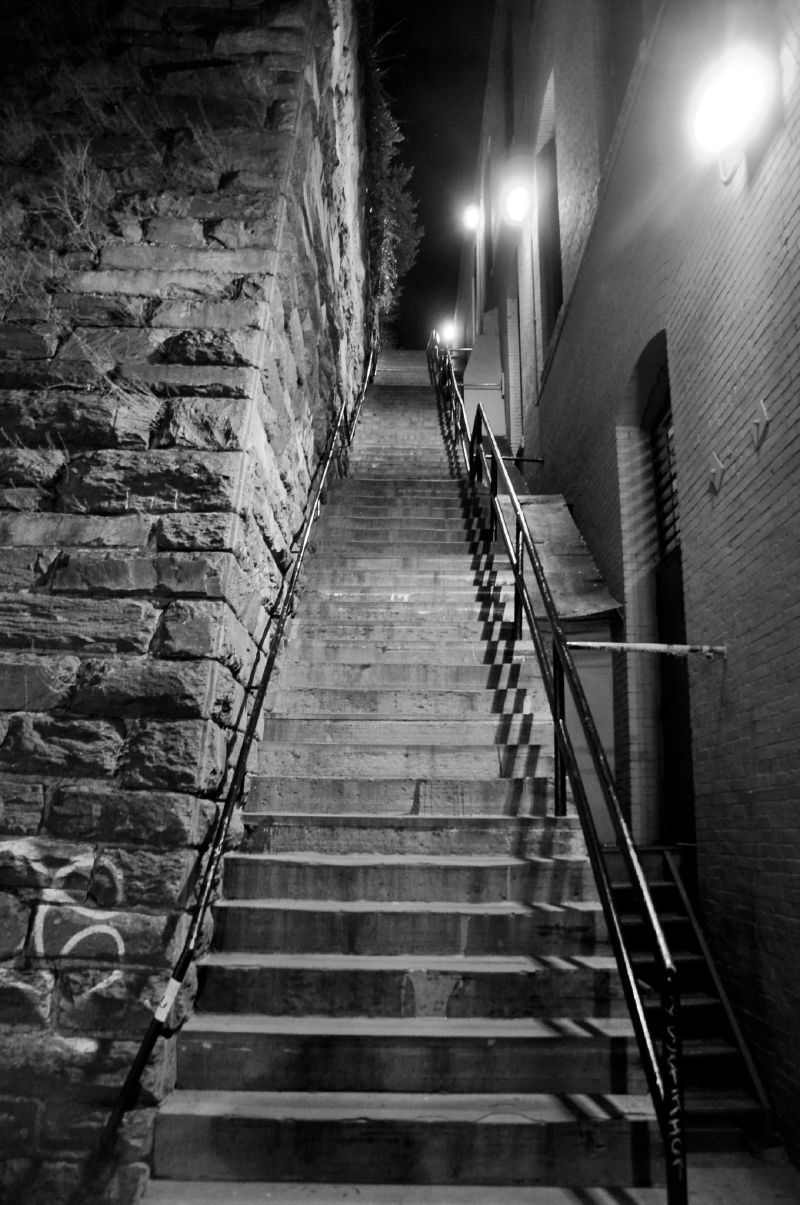
Georgetown University shows the film to freshmen as part of the undergraduate curriculum, IndieWire reports. The city recognised the steps from the film as a cultural landmark in 2015.