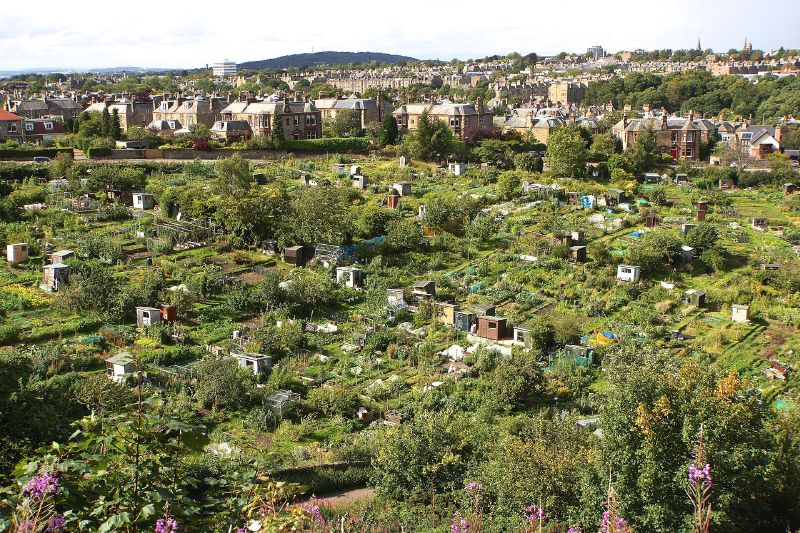
Britain’s allotments exist today because Parliament told councils to provide them. The Small Holdings and Allotments Act 1908 still obliges a council to find plots when six or more people ask for them. The law is old, and the BBC reported that a pastime once tied to flat caps and Thermos flasks still faces pressure from housing.
The rule has a catch. The duty carries no deadline, so a would-be plot holder could wait decades. Demand has made that a live problem. In Camden, north London, the BBC found the waiting list had stretched to ten years.
Where the idea came from
The idea of setting land aside for working people is older than the word for it. The Guardian’s review of Caroline Foley’s history of allotments traces the fight over common land back to the Domesday survey of 1086. Most people then were peasants who survived on what they could draw from shared ground.
Centuries of enclosure ate away at that common land. The allotment arrived later, during the Enlightenment, and it came with a paternal motive. Its backers preferred the poor to grow turnips rather than drink in ale houses.
Late in the 19th century, the ruling classes began to take the effects of enclosure more seriously. A growing population was struggling to feed itself. After the First World War, the principle of giving plots to returning soldiers was widened to cover everyone.
How the law locked plots in place
Parliament then built layers of protection. A run of smallholding and allotment Acts placed duties on local authorities. The 1908 Act sits at the base of that stack, and the Commons Library notes that several of the statutes are more than a century old.
A second protection covers the land itself. A council may build on statutory allotment land only if it offers the plot holders other sites.
The Guardian’s reviewer describes a plot beside a cemetery in Chiswick, west London. Local records show it was farmed for centuries before the council bought it in 1923. The 1925 Allotments Act then gave it statutory protection.
Why the numbers fell
War gave the allotment its biggest boost. The Dig for Victory campaign pushed people onto plots to fight food shortages, and the campaign ran on until rationing ended almost a decade after the war. In the late 1940s, Britain had 1.4 million allotments.
Then came the decline. By the late 1970s, the count had dropped to almost 500,000, and the BBC counted 200,000 plots lost since then. It also reported that the total had held steady at about 300,000 for a decade. House Beautiful later put the number of plot holders at 330,000.
Growing food on a plot today
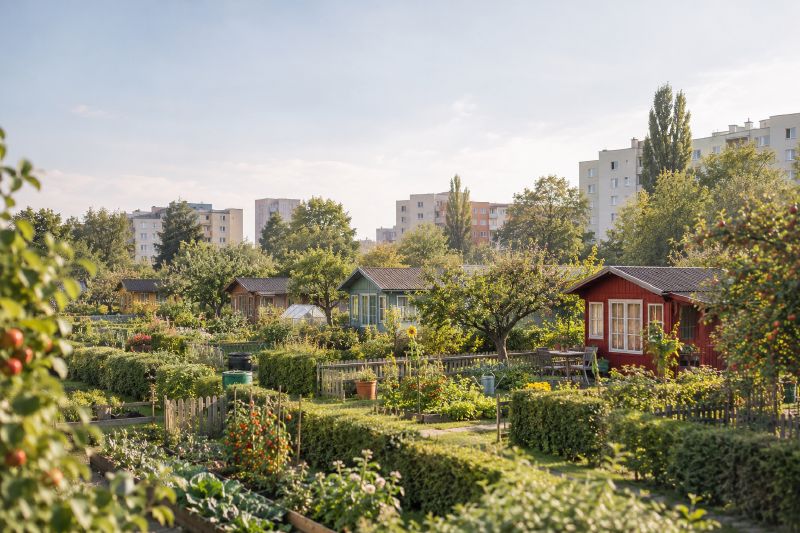
A plot is large by garden standards. The BBC gave the traditional size as ten poles, or 250 square metres. House Beautiful put annual rent at around £12 to £50 and said many councils inspect plots twice a year. A council can send a notice to clear if a plot looks neglected.
more
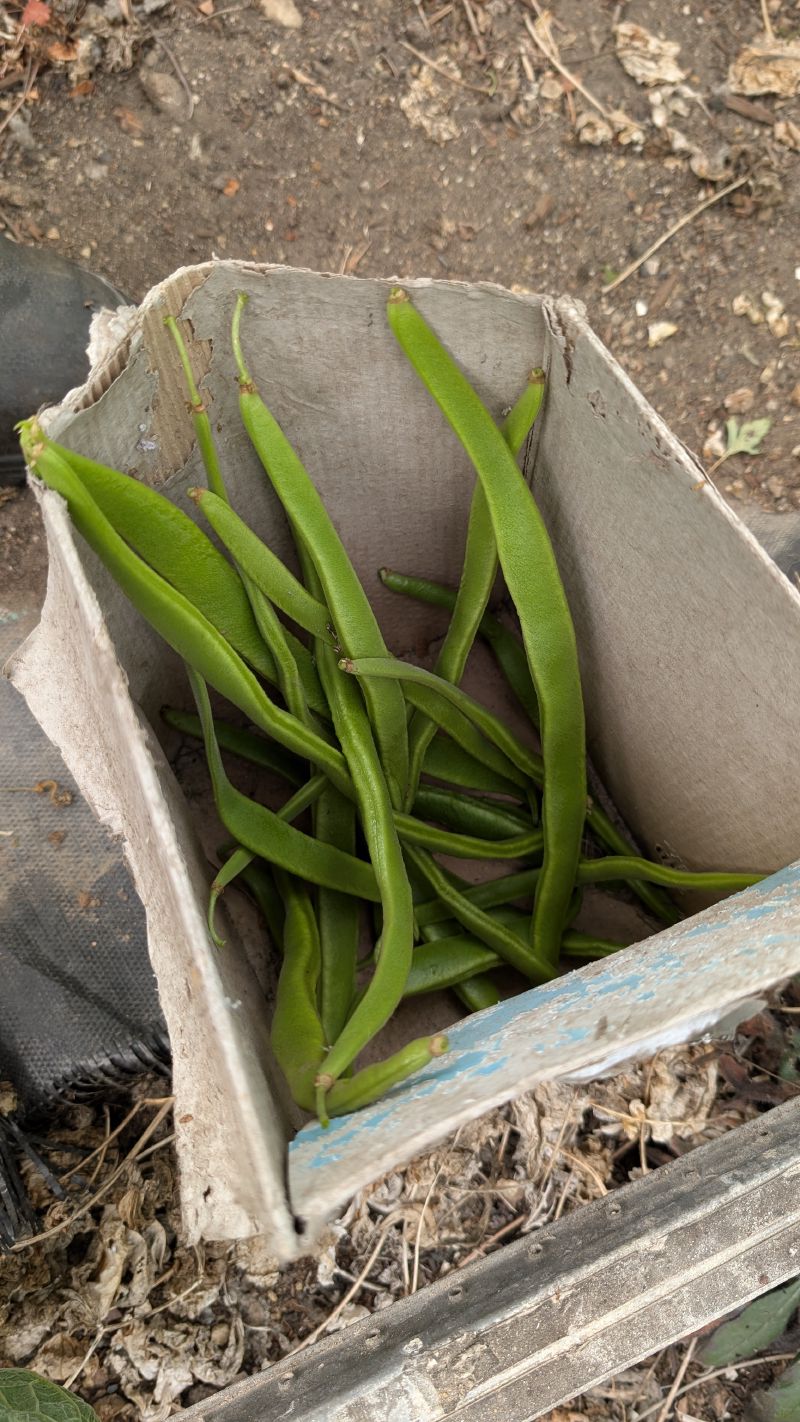
Newcomers often inherit an overgrown patch. House Beautiful suggests covering a few square metres with a tarpaulin for two months, then digging that area over and planting potatoes to break up the ground. It also recommends starting with three or four crops, and it lists potatoes, tomatoes, runner beans and herbs as a good start.
Di Appleyard of the National Allotments Society advises talking to neighbours on the site. They know what grows well, and they may have spare seedlings or raspberry canes.
The people on the plots have changed too. The BBC found more women, younger people and families, as city dwellers worried about food safety and wanted organic produce. Claire Willis of the National Society of Allotment and Leisure Gardeners said she saw neighbours bring children to watch vegetables grow.
What still threatens the land
The legal cover is not total. Willis warned the BBC that untended plots are especially vulnerable, and that without legal protection “allotments would cease to exist”. The Commons Library records that many people have asked for more plots to meet demand, and that the Government argued neighbourhood planning could lead to many new ones.
The question for the next decade is whether councils will use those powers. A law that lets six people demand a plot is only as strong as the next waiting list.