Most Broadway shows sell cut-price tickets to people who turn up early, enter a draw, or stand. The three systems are rush, lottery and standing room. Standing room goes on sale only when a show has sold out.
more
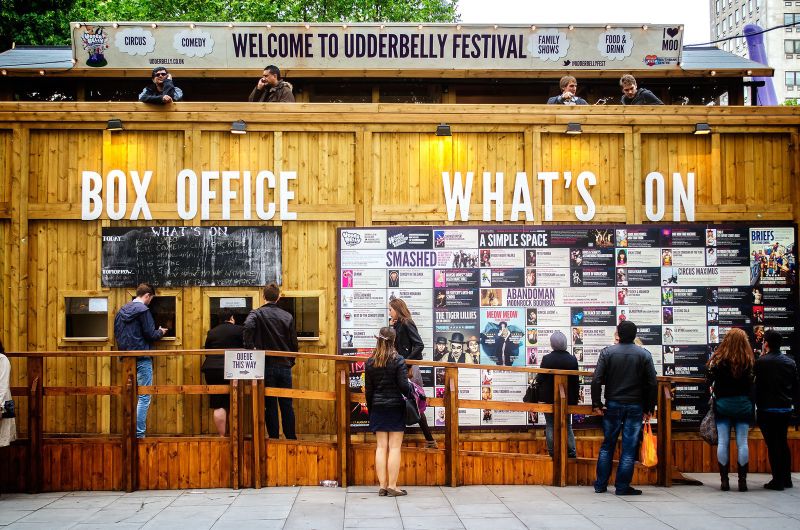
The idea of rush began with Rent, which at the height of its run sold the first two rows of the orchestra for $20 each to whoever reached the box office first on the day of the performance. Today’s rush tickets work the same way, in person or through an app such as TodayTix. A seat goes to whoever claims it first, not to whoever asks nicest.
The system varies show to show, but the shape stays the same. At the Stephen Sondheim Theatre, & Juliet sells a digital rush ticket for $49 through TodayTix from 9am, and a general rush ticket at the same $49 price from the box office itself from 10am, both capped at two tickets a person and both subject to daily availability. For Paranormal Activity at the August Wilson Theatre, both the in-person and the digital rush tickets are $40, again capped at two a person, with the digital batch opening at 9am on the TodayTix app. Some productions charge more for a digital rush seat than for a box-office one: The Book of Mormon sells its in-person rush for $49 but its TodayTix rush for $53.
Lottery tickets work on a different clock. Instead of a queue on the day, many productions open entries the day before and draw winners at set times. A seat then depends on a draw rather than on who arrives earliest. For Paranormal Activity, entries go through LuckySeat for $40 a ticket, and each participant needs a LuckySeat account before they can enter.
Other productions run their lotteries on different platforms and different clocks. Aladdin opens its digital lottery at 9am the day before a performance and closes it at 3pm that same day, with a winner given a 60-minute window to buy before the tickets go back on general sale. The Book of Mormon takes entries until 9:30am the day before a weekday show, with winners selected from 10am onward and further winners named through the day as needed. Buena Vista Social Club opens its lottery at midnight the day before a performance, closes it at 3pm, and draws twice, at 10am and 3pm, notifying winners by email with five hours to claim and pay.
Standing room is the narrowest of the three, because it depends on the show having sold out rather than merely selling well. It goes on sale at the box office only once every seat is gone, and it buys a position at the back of the orchestra rather than a seat. At the Stephen Sondheim Theatre, a standing-room ticket for & Juliet costs $45, against $49 for a rush seat, and it is sold only when the house is full.
None of the three systems guarantees a good seat, or even a full view. A rush or lottery seat’s location is usually set by the box office rather than chosen by the buyer, and several productions warn that a lottery win can still land a partial view or split a pair apart. Age limits and identification checks also vary: Aladdin’s lottery requires entrants to be at least 18, and several shows ask for photo ID.
What the three systems offer is a cheaper route in, even to a full house. A theatregoer without an advance ticket can still queue for a rush seat, enter a lottery the night before, or wait for a sold-out house to open its standing-room line, and each route has its own price, its own clock and its own odds.