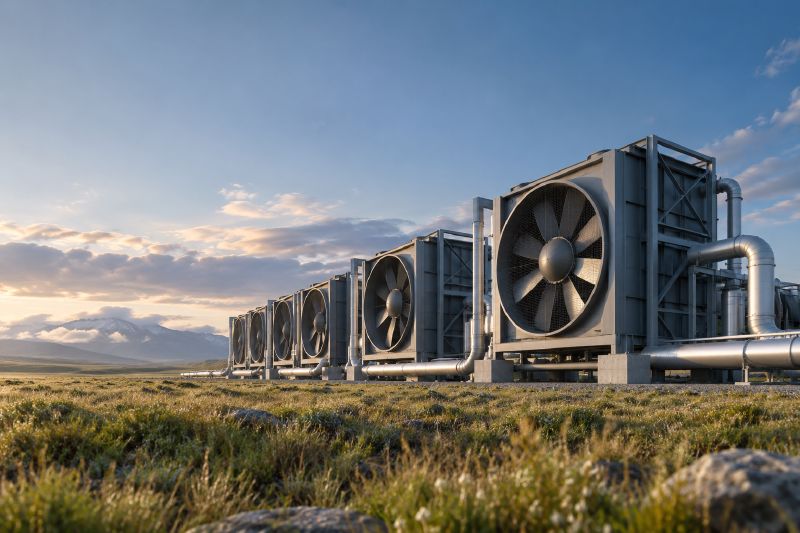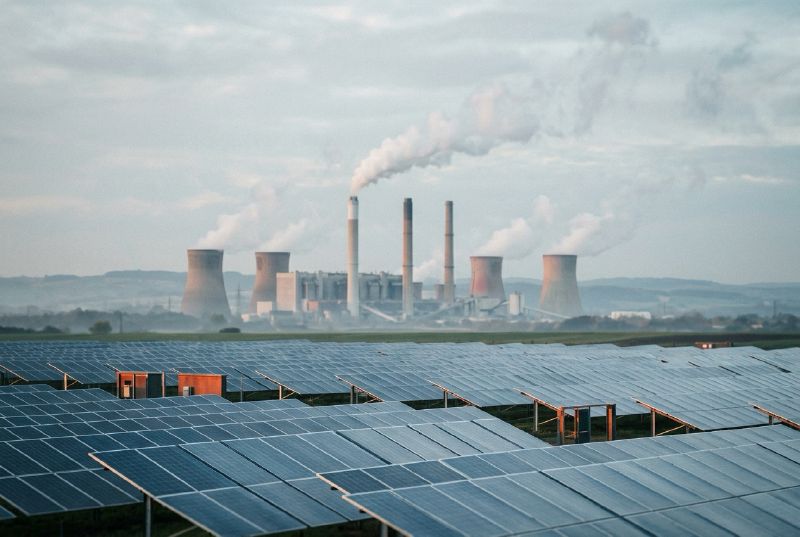
Carbon capture and storage aims to stop carbon dioxide from a power station or factory chimney reaching the air, then moves it away and locks it deep underground. The catch is scale. The BBC puts the amount captured worldwide at around 45 million tonnes a year, while human emissions passed 40 billion tonnes in 2022.
How the process works
The idea has three steps. Most of the CO2 a plant produces is captured at source, then transported, then stored far below the surface. Britain’s energy regulator, Ofgem, describes the aim in plain terms: keep the gas from industry and power generation out of the atmosphere, where it would add to climate change.
That makes carbon capture different from carbon dioxide removal, which takes out CO2 already in the air. Removal can mean planting trees, or machines that pull the gas straight from the atmosphere. The BBC calls removal a “negative emissions” approach, because it lowers the total. Capture at a chimney only shrinks what gets released.
Why governments still want it
Around 200 countries agreed to try to hold long-term warming to 1.5C above pre-industrial levels. The BBC reports that the UN expects the world will need some capture and removal to meet that goal, even with steep cuts to emissions. Some sectors, such as farming and aviation, have no realistic route to zero emissions without it.
So the targets are large. The UK has pledged to capture and store 20 to 30 million tonnes of CO2 a year by 2030. The European Union is aiming for capacity of 50 million tonnes a year by the same date.
Who polices the pipes in Britain
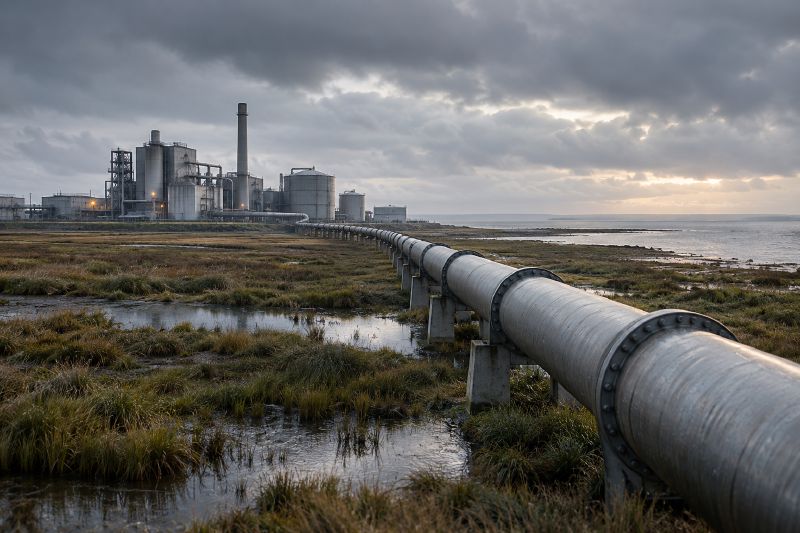
In Britain the networks that carry and store the gas have a regulator. Ofgem says it oversees the pipelines and stores used for carbon dioxide. Its current work includes a draft decision on an application from Liverpool Bay CCS Ltd, and a consultation on Net Zero North Sea Storage Ltd. It has also changed the financial model it uses to set prices for carbon dioxide transport and storage.
The case against leaning on it
Cost is the first problem. The BBC describes both capture and removal as very expensive. Removal by machines and other artificial methods takes up only about 2 million tonnes a year.
The second problem is what happens if the world keeps burning oil and gas under current policies. The International Energy Agency has said these methods would then need to handle 32 billion tonnes a year by 2050, a figure it calls “implausible”. The agency and other bodies warn that capture is no excuse to slow the cut in fossil fuel use. Campaigners go further and accuse some schemes of greenwashing.
The open question for Liverpool Bay and the North Sea stores is whether they can grow from a niche into something the climate numbers notice.