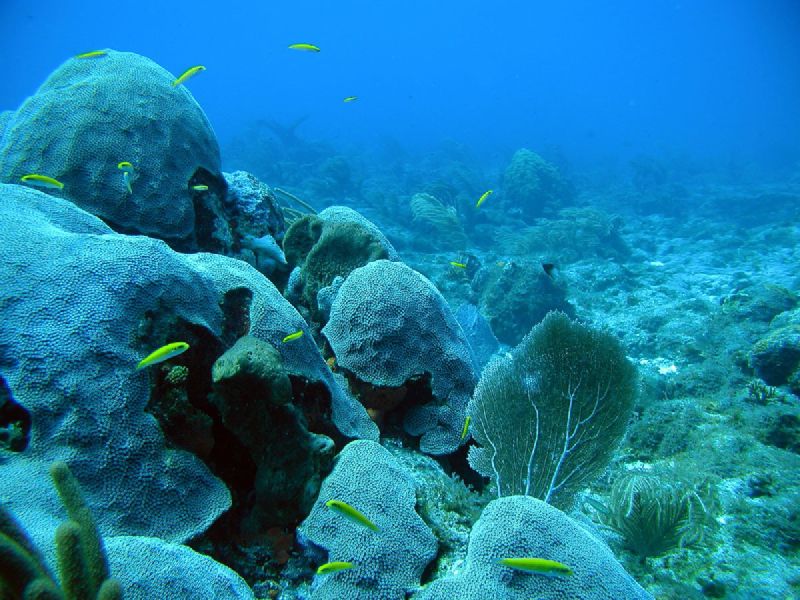
A coral reef is a pile of skeletons. Each coral polyp, a tiny animal, pulls calcium carbonate out of seawater and turns it into a stony cup to live in. When the polyp dies, the cup stays put, and later generations keep adding to the structure.
more
Calcium carbonate is the same mineral found in chalk and in shells, the Smithsonian’s National Museum of Natural History points out. Laid down by millions of polyps over millions of years, it becomes the limestone ridges that National Geographic describes as the body of a reef.
Where a reef starts
A reef begins with a larva looking for somewhere hard to land. Free-swimming coral larvae settle on hard surfaces along the edges of islands and continents, then start to grow.
The larvae come from mass spawning. Polyps of one species release eggs and sperm together overnight, often near a full moon. A fertilised egg becomes a mobile larva called a planula, which settles to found a new colony.
Once it has settled, the colony grows by copying itself. Polyps divide asexually, and every one adds its own skeleton near its base. Over many generations a colony can build a skeleton several metres across.
Why the polyps need sunlight
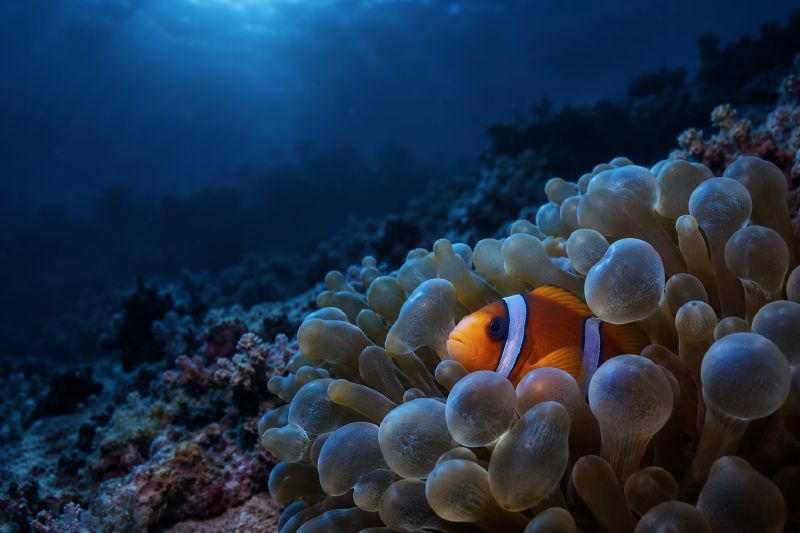
Building limestone takes energy, and most reef corals get it from lodgers. NOAA explains that shallow-water reef corals carry photosynthetic algae called zooxanthellae in their tissues. The coral gives the algae shelter and the compounds they need. The algae return carbohydrates for food, plus oxygen, and help clear the coral’s waste.
That partnership ties reef building to light. Corals of this kind grow in clear, shallow water, mostly shallower than 60 metres. Most hard corals need clear water and sunlight to thrive, National Geographic notes.
Not every coral works this way. Deep-sea corals lack the algae and feed on plankton and organic matter instead. The cold-water genus Lophelia has been found as deep as 3,300 metres.
What happens after the builders die
The skeleton outlasts the animal. The Smithsonian notes that dead polyps still add to the reef. Their hard remains give it complex structure and habitat for other life.
Other organisms then move onto the new rock. Soft corals and sponges attach to the hard surfaces the stony corals have made, though soft corals build no calcium carbonate skeleton of their own. Algae settle there too, and feed the grazers.
The balance matters. If the stony corals die, algae or soft corals can take over the space they leave, according to the museum. Warm water in the 2014 to 2017 bleaching event affected 70% of the world’s coral reef ecosystems, NOAA reports.
How reefs take their shapes
Charles Darwin tied reef growth to the seafloor. In The Structure and Distribution of Coral Reefs, he argued that corals formed in shallow water around volcanic islands and at places where the seabed rose or sank.
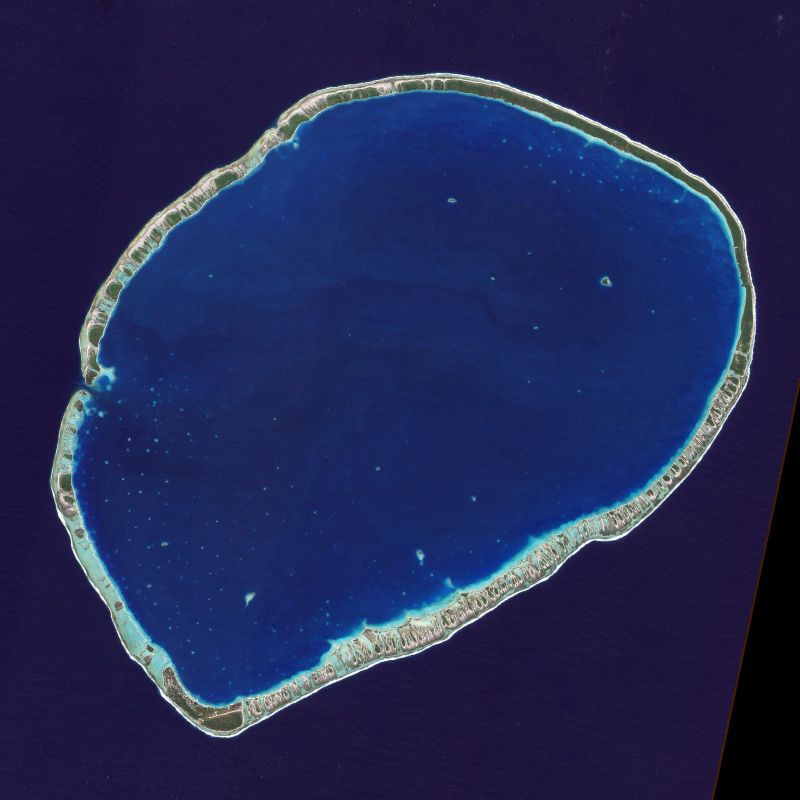
Coral islands are often linked with three types of reef. A fringing reef extends straight from the shore. A barrier reef runs parallel to a coast with a deep lagoon between. An atoll is a ring of reef or small coral islands around a central lagoon.
Can people make one?
People can give the process a start. In warm water, reef builders apply an electric charge to a sunken metal structure. Limestone then builds up on its surface, a process called mineral accretion, and corals attach and add to it.
The payoff is large. About 25% of the ocean’s fish depend on healthy reefs, according to NOAA. Over 3,000 species of stony coral lay down the foundation that the rest of that life lives on.