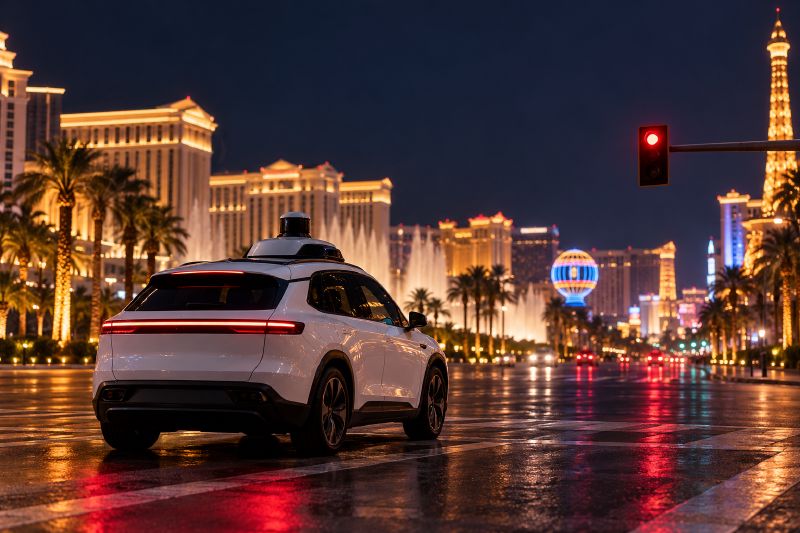
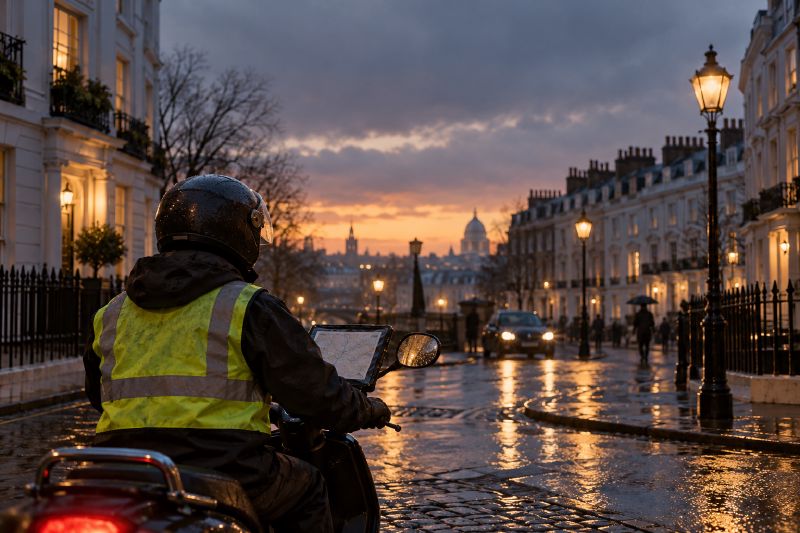
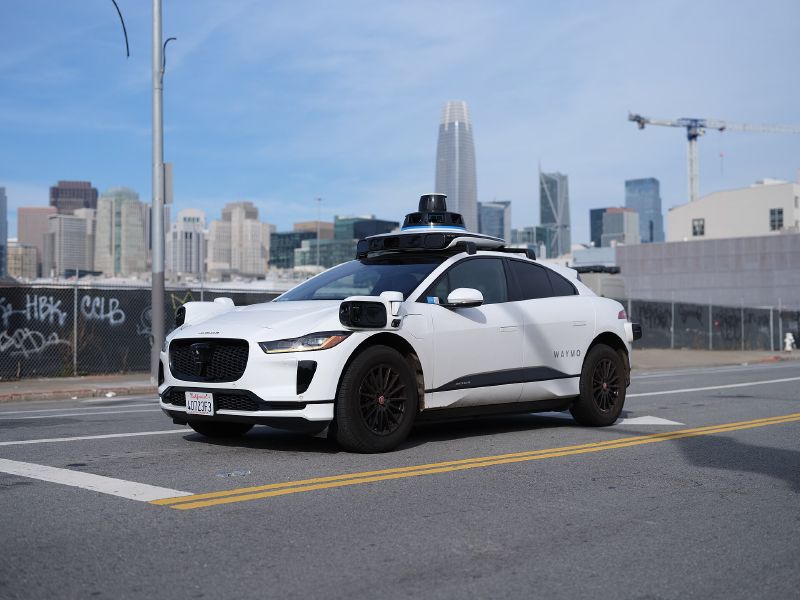
Waymo has been testing self-driving Jaguar I-Pace cars on London’s streets since the start of 2026, under a government-backed pilot scheme that lets the technology run ahead of full legal approval. Uber said it would join the scheme that spring, running Wayve’s driving software in its own fleet. Both companies still keep a trained safety driver on board, ready to take over if the system falters.
more
Waymo and Wayve hope to lose that safety driver and run fully autonomous cabs in the city later this year, pending sign-off from ministers and Transport for London. Personal ownership of a self-driving car stays illegal in the UK until the second half of 2027 under current law, though the pilot scheme sidesteps that for these ride-hailing trials. Waymo already runs ride-hailing services in ten US cities.
Who answers for a crash
The Automated Vehicles Act, which received royal assent in 2024, decides who answers for a crash. A person sitting in the driver’s seat of a self-driving car isn’t held responsible for how it drives. Insurers, software developers, and manufacturers carry that responsibility instead. Wayve has raised more than $1 billion to build the AI system behind its UK cars.
Government figures say human error contributes to 88% of road collisions, the case regulators make for pushing the technology forward. Drivers themselves aren’t convinced. RAC’s own research found only 15% of drivers expect fully autonomous vehicles to make roads safer, and 58% say the idea frightens them.
The case for disabled riders
For someone who can’t drive, the stakes look different. Writing in the Guardian, a contributor who is unable to drive because of poor vision cited a 2022 analysis by the Royal National Institute of Blind People. It found employment rates of just 42% among people with difficulty seeing, and 54% among people with other disabilities, in the UK. By the writer’s own estimate, roughly a quarter of people in the UK live with a disability. They argue driverless taxis could open up work and travel that buses, trains, and ordinary taxis don’t reach in rural areas.
The gain for one group comes at a cost to another. A 2025 report from the rideshare data firm Gridwise found that hourly pay for taxi drivers fell in every US city with autonomous vehicles operating between July 2024 and July 2025. The steepest drops came in Austin, down 5.3%, and San Francisco, down 6.9%, while rideshare drivers’ pay rose 1% over the same period.
The safety numbers, and one recall
An analysis by the nonprofit outlet LA Reported tracked almost 38 million autonomous miles driven in Los Angeles from March 2024 to December 2025. It found 28 crashes involving injuries, with Waymo at fault in only one. Human drivers covering the same distance would be expected to cause around 60 such crashes, which puts Waymo’s injury-crash rate 64% lower.
The record isn’t spotless. The month before that Guardian piece was published, Waymo recalled 3,800 robotaxis nationwide after a software fault let an empty vehicle drive into a flooded Texas road, where it was swept into a creek.
London’s rides stay supervised for now, but the appetite is already there. Uber now lets London riders ask for a self-driving car. Over 100,000 people have since signed up as would-be early passengers.