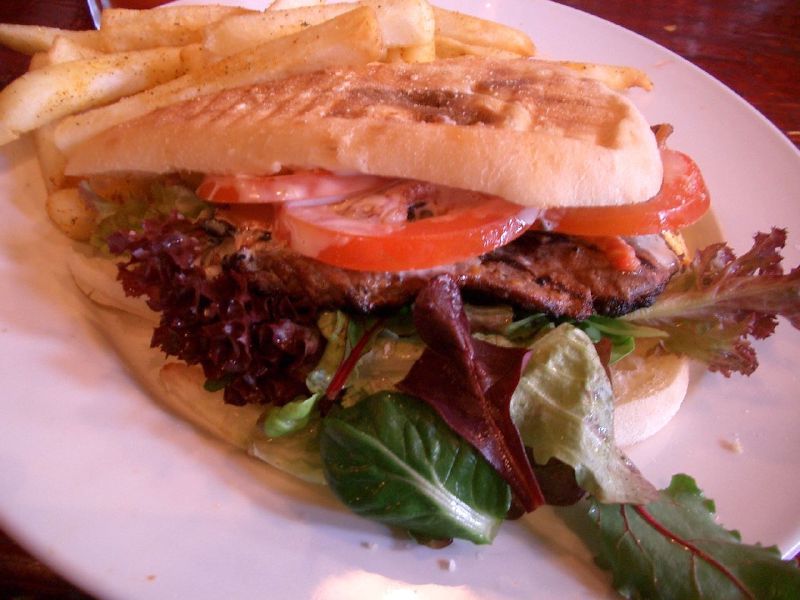
John Montagu, the fourth Earl of Sandwich, gave the dish his name in the 18th century. He didn’t invent it. Bread wrapped around food is a habit people around the world had kept for thousands of years before he sat down to a card game.
more
The story behind the name is well worn. One evening in 1762, Montagu refused to leave a game of cards despite being hungry. He asked a servant to bring him meat between two slices of bread. Whether or not the details are exact, something in his order caught on. His fellow players liked the look of it enough to ask for “the same as Sandwich”.
The name stuck fast. Edward Gibbon, the historian best known for his account of Rome’s collapse, recorded a journal entry from that same year. He described an evening “supping at little tables covered with a napkin” over “a bit of cold meat, or a sandwich.”
A decade later, the French writer Pierre-Jean Grosley noted how the dish had caught on during his time in England.
Where the idea came from
Montagu had travelled through the eastern Mediterranean, where serving bread with a filling was already an established way to eat. He didn’t need to invent anything. He needed only to ask for it at the right moment, in front of the right people, for his name to attach to a practice that already existed.
That practice runs back further than any single aristocrat. In cultures all over the world, people had used bread as a wrapper for meat and other food for almost certainly thousands of years.
Bee Wilson, author of Sandwich: A Global History, credits the sandwich with something else. It freed people from the rules of formal meals, she writes.
A dish built to travel
What Montagu’s name did was fix a British label onto an idea that had already spread across cultures. Wilson calls the sandwich “the most universal of all fast food” in places that eat bread. It feeds “schoolchildren and high-court judges” alike, she writes, “busy call-centre workers and leisurely picnickers” among them. By her estimate, people in the UK each eat about 200 a year.
That universality is the part the origin story tends to obscure. A dish gets attributed to one man at one table because that’s a story with a date and a name attached. The bread-and-filling habit it named had no such single moment.