The men who ruled Egypt and Syria from 1250 until 1517 began as slaves. Their dynasty, the Mamluks, took its name from an Arabic word meaning “owned”.
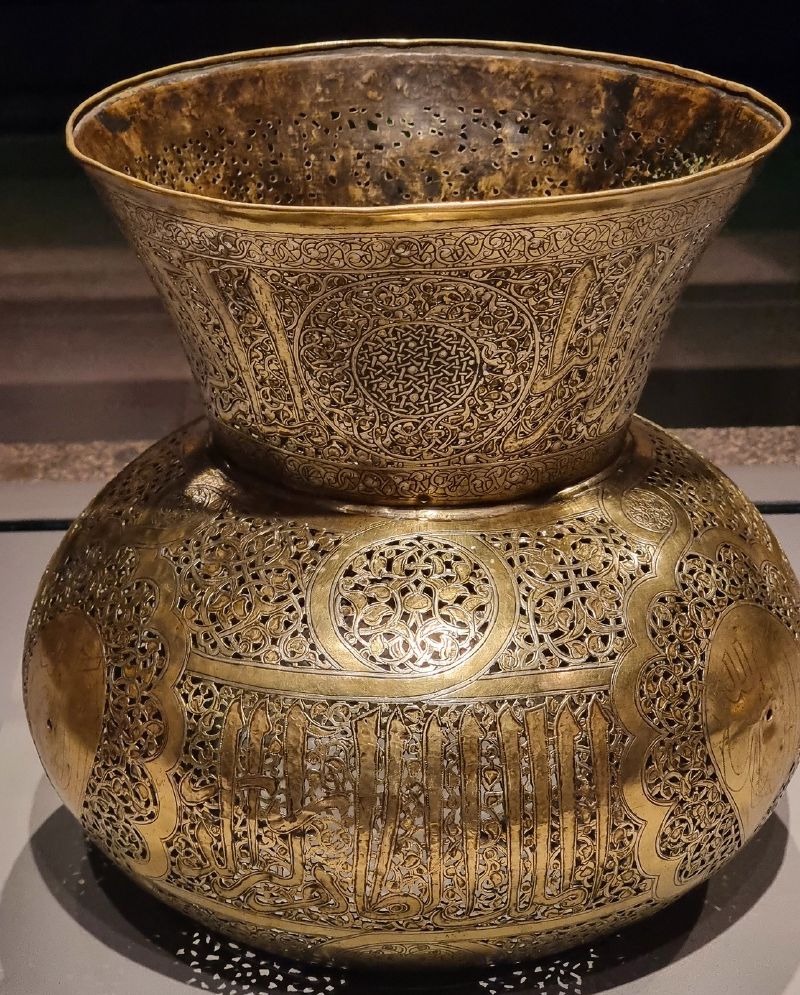
more
How a slave became a soldier
Recruiters captured boys of about 13 from lands north of the Persian empire. Traders then sold them to the commanders of Islamic governments. Venice and Genoa played a large part in shipping them, despite papal bans.
Under their new masters, the boys were freed and converted to Islam. They then took up intensive military training. Most were Qipchak Turks from Central Asia. The earliest ruling group, the Bahri, came mainly from southern Russia, and the later Burgi were chiefly Circassians from the Caucasus.
Why the system held together
A Mamluk had no kin in the land he served. History Today argues that this tied each man personally to his master. It also gave the state a solidity that outlasted tribal rivalries and personal ambition.
The rule also had a built-in limit. In theory, a Mamluk’s wealth and rank died with him, and his sons were barred from the regiments. The group therefore needed fresh recruits from outside Egypt in every generation.
How slaves became rulers
The BBC notes that nearly everyone in the system started as a slave. Slaves sold in the great city markets could rise through the army, the civil service, the arts and sciences, or trade.
The top of the system was harsher. Succession fights turned on how many armed men and client lords a candidate could gather. Every succession brought internal struggles, and purges of rivals were common.
The Bahri and Burgi groups took their names from the regiments they once supplied to the last Ayyubid sultan, as-Salih. They overthrew him in 1250. The Burgi took over in 1382.
What the rule produced
Under Sultan al-Nasir Muhammad ibn Qalawun, the Mamluk state reached the height of its power in the 14th century. He reigned for 41 years, a record no later Mamluk sovereign beat. Cairo was among the wealthiest cities in the world.
The Mamluks defeated the Mongols in 1260 and destroyed the Crusader kingdoms. In 1516, Sultan al-Ghuri led his army out to meet the Ottomans under Selim I. The Mamluks had not fought in earnest for about eighty years, and the defeat signalled the end of their dynasty.