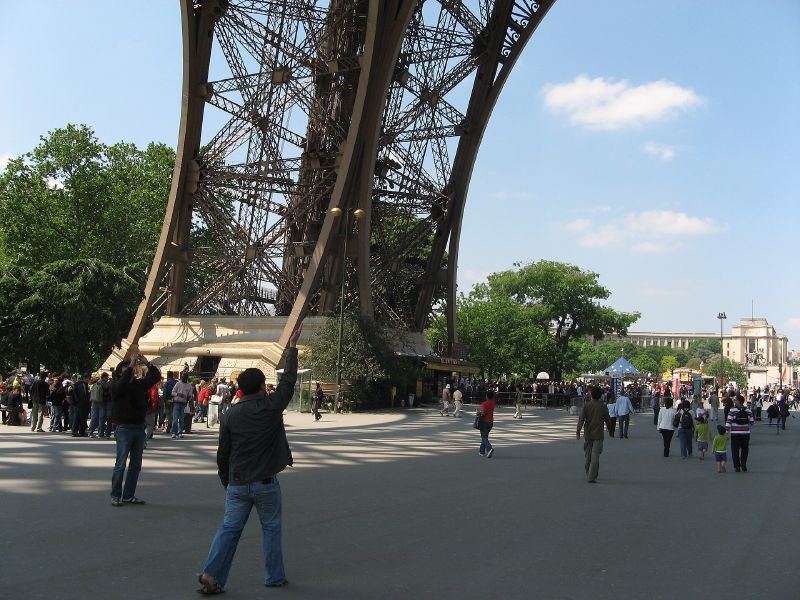
Staff at the Eiffel Tower held a one-day strike this month after managers ordered female colleagues to stay out of sight during a weekend visit from a Hindu religious group. The walkout shut the landmark to visitors on the Monday that followed.
more
The staff’s own account says some women had to leave their posts, others were swapped for male colleagues, and none could enter parts of the tower while the group was inside. They said the arrangement had nothing to do with the equality they expected from their employer.
Who asked for the arrangement, and why
The visitors belonged to the Bochasanwasi Akshar Purushottam Swaminarayan Sanstha, a Hindu spiritual movement known as BAPS with ties to India’s governing Bharatiya Janata Party. The group was in Paris to consecrate the country’s first major BAPS temple. It apologised afterwards for any offence caused, while adding that nobody had been refused entry to the tower.
The tower’s operating company, SETE, which the city owns, confirmed that it had agreed to limit “interactions with women” at the group’s request, and said the decision should never have been made. Paris’s City Hall, which runs SETE, apologised for breaking with equality, a republican principle in France, and ordered a full inquiry.
The response from Paris’s officials
Emmanuel Grégoire, the mayor of Paris, called moving women out of sight “unacceptable” and promised to find out how the arrangement was approved. Ariel Weil, mayor of the Paris Centre district and SETE’s president, said he had not known about the conditions the group was given. He called them “shocking and unacceptable.”
more

more
In their own statement, the tower’s staff said the building is “the symbol of France” and should set an example in how it treats its workers.
Why a staffing dispute reaches this far
Close to seven million people visit the Eiffel Tower every year. No other paid monument in the world draws a bigger crowd. A landmark watched at that scale carries scrutiny most workplaces do not, so a decision made for one weekend group became a question about how a national symbol treats the women who work there.
City Hall’s inquiry has not reported yet. What it has to answer is not whether the arrangement happened: both the tower’s operator and the group involved have already admitted that.
It is who signed off on it, and why nobody stopped it first.