A birth in England and Wales became a matter for the state on 1 July 1837, when the law began requiring a report to a local registrar rather than an entry in the parish book. Scotland followed in 1855, Ireland in 1864, and Jamaica held out until 1878, forty-one years after England and Wales started.
Some parents refused to take part at all once the English registers opened. They mistrusted the new system enough to skip it, so a birth could go unregistered.
more
What the parish register never covered
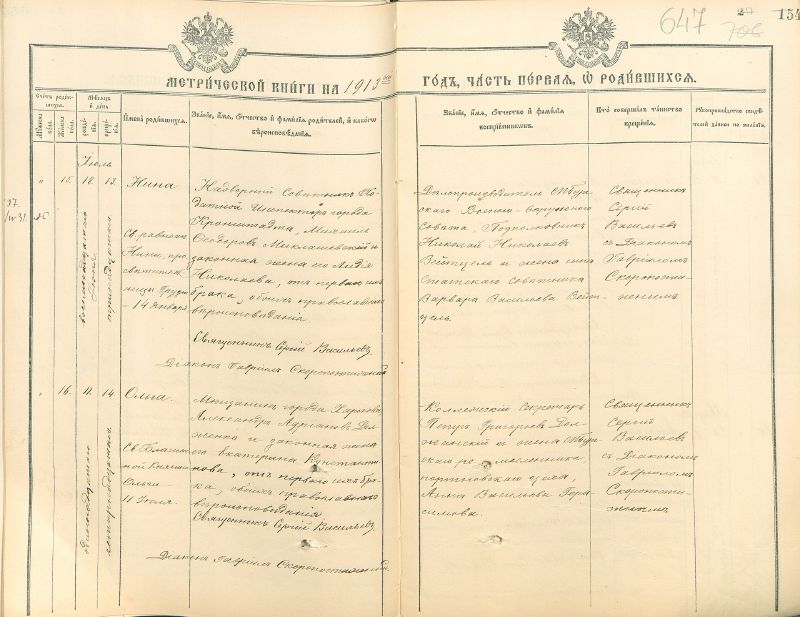
For centuries, the Church of England kept most records of births, marriages and deaths in England and Wales. Non-conformists, Catholics and families with no church connection at all were poorly served. Only the Church of England’s registers carried a special legal status. Even inside that church, a christening could reach the register days or weeks late, jotted first on a scrap of paper and copied in afterwards by a parish clerk who had not witnessed the event.
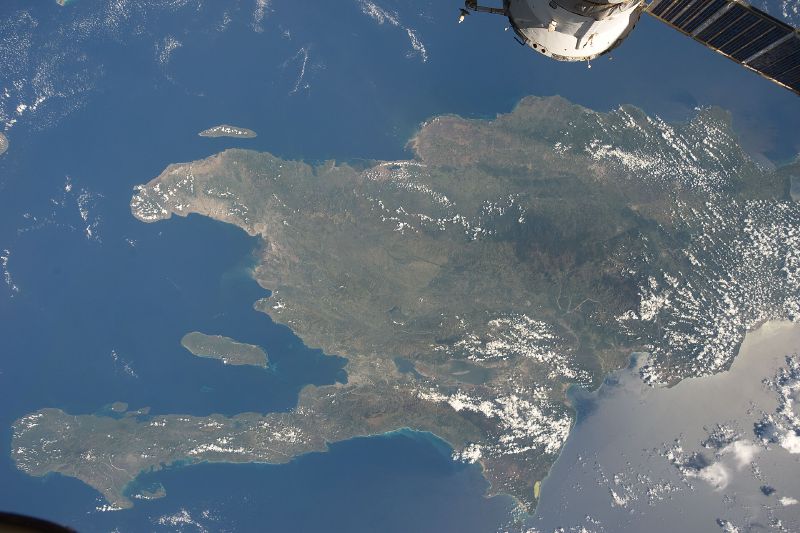
Jamaica ran on the same principle, for longer. Its Anglican Church held every register of births, baptisms, marriages, deaths and burials from 1664 until civil registration began in 1878. An earlier attempt had already tried to change that: a law from 1843 required birth and death registers, but it was widely ignored and lapsed within a few years.
Why England moved first
A bill to register births failed in 1832, and later attempts in 1834 and 1836 met numerous amendments before the 1836 bill passed. Non-conformists and liberal reformers were often the ones pushing for a secular register, pointing across the Channel to France, which had run one since Napoleon’s time. The Church of England resisted, because registration, probate and poor relief fees would move from parish officials to secular ones once the law changed.
The House of Lords, where bishops sat and a Tory majority ruled, changed the bill. It reinstated banns for church weddings, which were originally to have used a certificate.
How the English system actually ran
Registration districts mostly followed the poor law unions set up three years earlier, each overseen by a superintendent registrar. Every quarter, local registrars sent copies of their entries to the General Register Office in London, which built the national indexes still searched today.
Registering in person gave the state one advantage no parish clerk had offered. The person reporting a birth stayed in the room while the registrar wrote it down and could correct a mistake before leaving, rather than trusting someone else to get it right later. The new registers often included illegitimate births and bigamous marriages.
How Jamaica’s registration began
When Jamaica’s civil registration finally took hold, parish and district clerks took over recording births and deaths. Marriage records followed two years later, in 1880. The National Identification and Registration Authority, once called the Registrar General’s Department, has held those records ever since.
Why the law took decades to bite
Passing the Act did not make people obey it.
Up to 15 per cent of births in England and Wales went unrecorded before 1875, largely because many parents wrongly believed a christening already satisfied the law. Parliament shifted the legal duty from the registrar onto the parents that year, added a fine for missing the six-week deadline, and registration rose once the penalty existed.
Stillbirths sat outside the system for even longer. England and Wales did not require a stillbirth to be registered until 1 July 1927, and did not add cause of death to that certificate until 1960. Scotland brought in its own stillbirth rule in 1939 and Northern Ireland in 1976. A family with relatives on both sides of the Irish Sea can find two different years when an unregistered loss finally counted.
What the overlap leaves behind
Neither system replaced the other overnight. A clean civil birth certificate for one child and nothing but a baptism entry for a sibling born in the same region is an ordinary find, not a rare one. For a Church of England wedding after 1837, the parish register and the civil register hold identical details, so a researcher who finds one has effectively found both.
A birth certificate itself carries more than a date. It names the child, the father’s occupation and the mother’s maiden name, the detail researchers chase hardest because it opens up an earlier generation. A digital copy of an England and Wales birth certificate from 1837 to 1922 now costs £3 online, against £12.50 for the standard paper version the General Register Office still posts out.