An Estonian e-resident gets to start and run a company in Estonia from anywhere in the world. They do not get to live there. Estonia launched the programme in 2014, and it gives no extra right to enter Estonia or the wider EU.
more
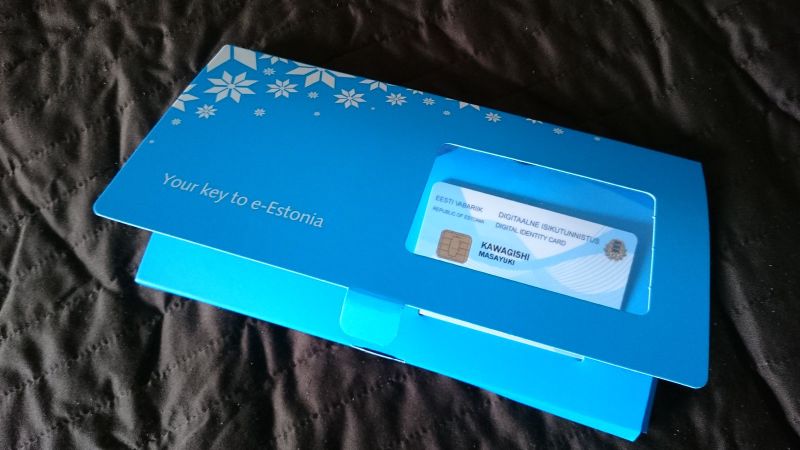
What the holder receives is a smart card carrying a digital certificate, which serves as their identity for Estonian online services. With it comes an official @eesti.ee email address and access to services for registering a company and opening a bank account.
How you apply
The form is short. An applicant uploads a passport scan and a photo and pays a €100 fee. The Guardian reported that the fee began at €50 and doubled one February to pay for upgrades. The Estonian police run a background check, looking mainly for financial problems such as money laundering.
Once approved, the applicant collects the card in person, usually at an Estonian embassy. One writer for The Conversation applied at a startup festival in Helsinki and then had to travel from Perth to the embassy in Canberra to pick it up.
What it does for a business
The company is the point. Estonia charges no corporate tax on profit left inside a company. Opening a bank account from outside the country was, according to Kaspar Korjus, managing director of the programme, probably the most significant change yet. The Conversation reported that the bank still expected the account holder to visit Estonia at least once.
It is not an offshore haven. Taavi Kotka, then Estonia’s chief information officer, said an e-resident based in the UK should still pay tax there: “You don’t use our infrastructure, you use theirs.”
Korjus pitched the scheme at entrepreneurs in emerging markets with no access to an online payment provider, and at startups in countries such as Ukraine and Belarus. He estimated that 60% of those who registered interest did so for business.
Why Estonia wants them
Estonia has 1.3 million citizens. Kotka said the country could not grow its population physically, so it would try to do so online. The target was 10 million e-residents by 2025.
By September 2016, 12,000 had enrolled and they had added 1,000 businesses to Estonia’s 60,000. A later count in The Conversation put approvals at 17,000, mostly from Finland, Russia and the US, with 1,380 companies founded.
After the Brexit vote, UK applications grew tenfold in two weeks, though only 616 Britons held e-residency at the time. Korjus also named a risk: a future government could end the programme.