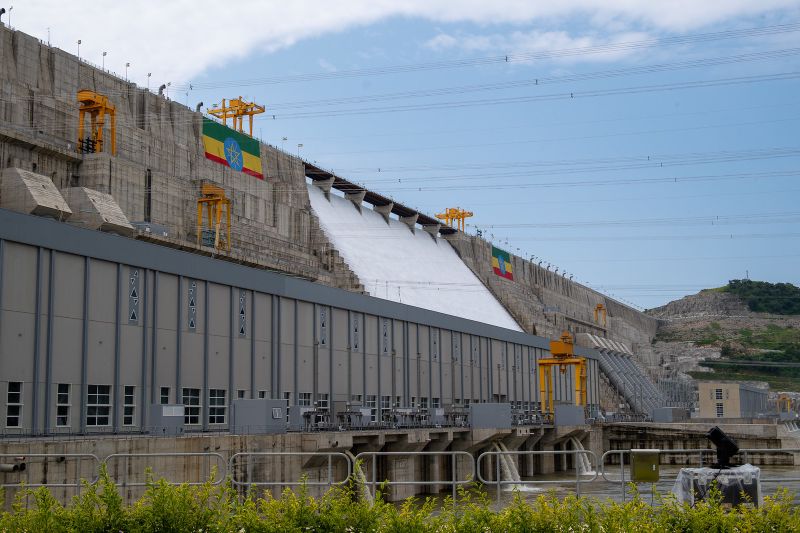
Ethiopia’s 1995 constitution divides the country into states built around ethnicity. It lets any ethnic group that meets the standard form a new one, complete with its own president and security force. The result is a federation of nations rather than a federation of provinces.
more
That design was the compromise struck after a communist regime fell and a civil war ended. Politician Yitina Belay put the choice plainly: earlier governments had tried to hold Ethiopia together as one country by force, and it cost lives. Ethnic federalism instead gave dozens of ethnic groups a chance to stay or go.
How a group gets a state
The constitution treats ethnicity as the basis for political territory, and constitutional scholar Kiya Tsegaye says it now defines “everything” in Ethiopian public life. A group that meets the standard can call a referendum. If it wins, a new state follows.
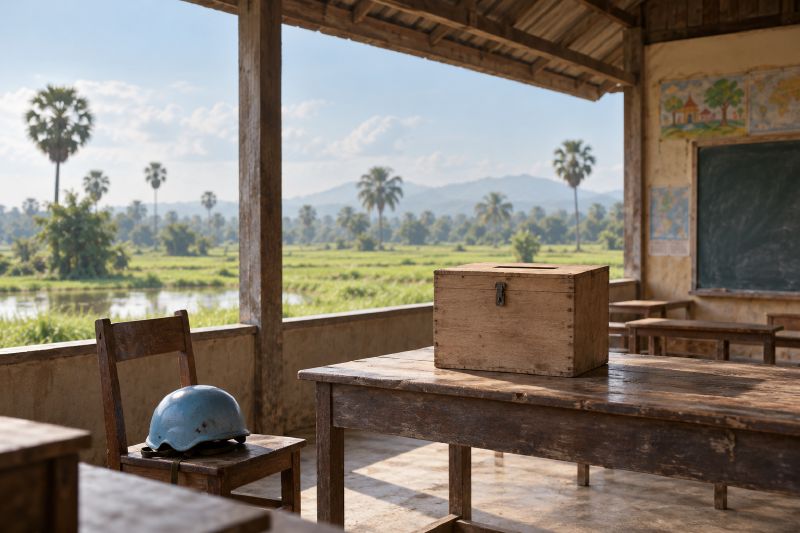
The Sidama people did exactly that. In 2019, more than 90% of voters turned out for a referendum on Sidama statehood, and few doubted it would give Ethiopia its tenth state. Some who voted, like 99-year-old Ligeet Erbamu, had waited decades: he said Sidama people had once been mocked for their language and shut out of schools shared with the ruling ethnic groups.
Where the model strains
The same structure that lets a group claim a state also draws hard lines between neighbours. In Moyale, a town split by the border between Oromia and Somali regional states, three flags fly along one road: Ethiopia’s, the Oromo’s, and the Somali state’s. The town runs two school systems, two courts and two police forces, one for each side.
Ethnic federalism has not kept that border calm. Human Rights Watch said armed clashes along the Oromia-Somali frontier were of a different order from old disputes over water and farmland. A 2012 land dispute near Moyale killed 18 people and forced tens of thousands to flee into Kenya, and smaller flare-ups have followed since.
Ethiopia’s then prime minister, Hailemariam Desalegn, told parliament the fighting was not an ethnic conflict at all, but the work of local officials pursuing their own agendas. Ethiopia’s federal government later stepped in to administer a peace agreement between the two sides and enforce the border.
Tsegaye’s warning is the harder one to shake. He says the constitution almost guarantees Ethiopia will implode, because behind every group that gets its state, “dozens of others” are waiting for the same chance. The Sidama vote answered one claim. It did not close the door on the rest.