Germany’s Kleingarten were built for children, not pensioners. The plots first appeared during the country’s rapid industrialisation in the 19th century, so that working-class children could stay in touch with nature. Cities leased land where poor children could play away from the cramped barrack housing that had grown up around the factories.
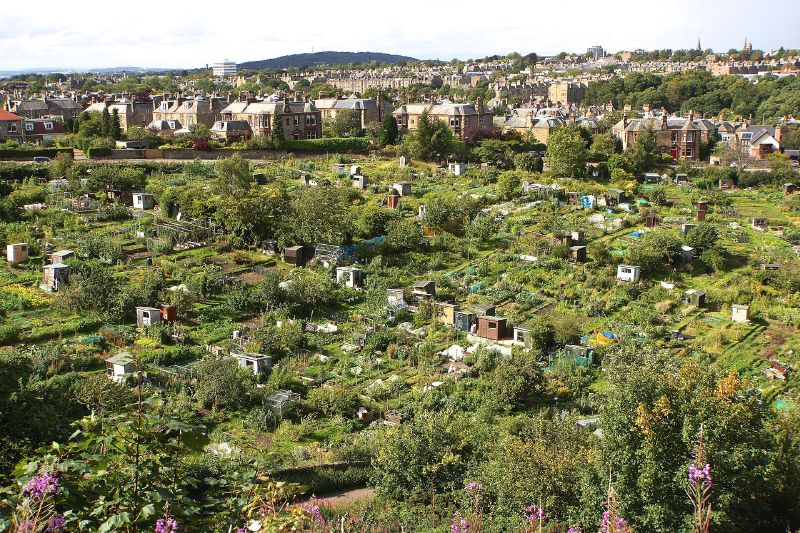
The scale is large. Germany has about a million allotments, and Berlin has by far the most, at about 70,000. The Guardian counted 73,000 Berlin plots in more than 900 colonies, covering about 3,000 hectares.
What a plot is, and what it costs
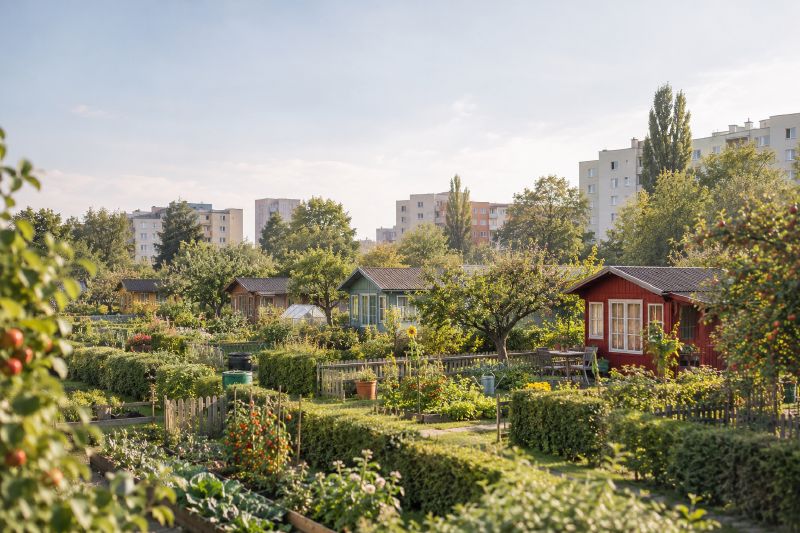
A Kleingarten is a rented patch of garden, often with a small house on it. Carolina Achilles, a 25-year-old who works with refugees, told the BBC that she and her boyfriend pay €400 a year for 280 square metres, plus water and electricity. Theirs comes with a 22-square-metre house and apple, cherry and plum trees.
Una Whicheloe, a landscape architect from Bristol, pays about the same for 340 square metres with a summer house and a composting toilet. She waited about three years to get it. About half of Berlin’s allotment associations keep waiting lists.
The movement has another name. Kleingarten are sometimes called Schrebergarten, after a Leipzig doctor who argued that the gardens did city dwellers good.
Rules, gnomes and a change of crowd
The plots had a reputation. For years they were seen as provincial places of stuffy rules, where hedges had to be a set height and mowing the grass was compulsory, the BBC’s Berlin correspondent Damien McGuinness wrote.
That is shifting. The German Leisure Garden federation puts the average allotment holder’s age at about 60, but young families signed almost half of new leases over the past decade, according to the BBC. During both world wars the gardens were an essential food source.
Why the land is under threat
Berlin’s allotments survived partly because of the Wall. During the Cold War the garden land, about 3.5% of the city, held little interest for investors. That changed once the Iron Curtain fell.
By 2013 more than 1,000 plots had gone since 2007, and about 19 colonies were under threat. At Oeynhausen in Wilmersdorf, a 108-year-old colony, developers planned 700 luxury flats. Gardeners accused politicians of selling the land cheaply as green land, then reclassifying it as building land worth almost nine times as much.
The city’s answer was housing need. Berlin’s population was growing by about 80,000 people a year, and the authorities want to build on the allotments, the BBC reported. The city development senator at the time, Michael Müller, told the Guardian that most gardens were protected until 2020, and that the city was not launching a general attack on them.
To their defenders, the plots are the city’s green lungs. Alban Becker, who chairs the Oeynhausen colony, said the gardens keep the city’s temperatures down.