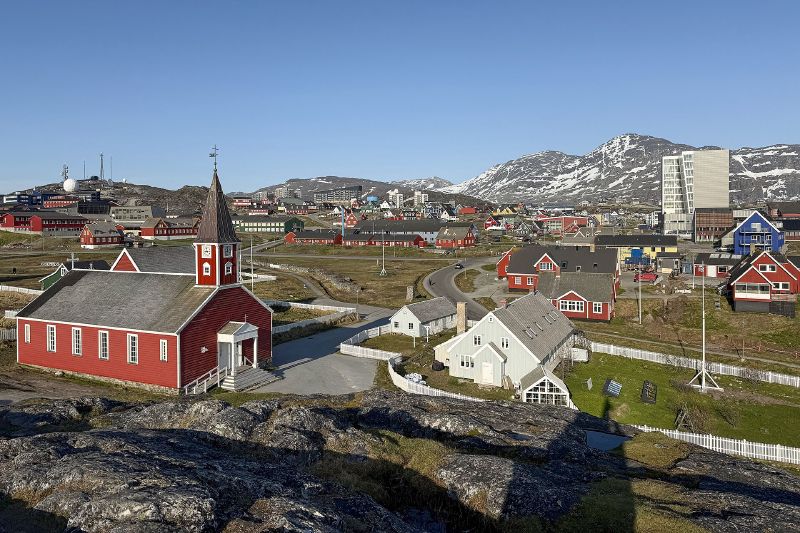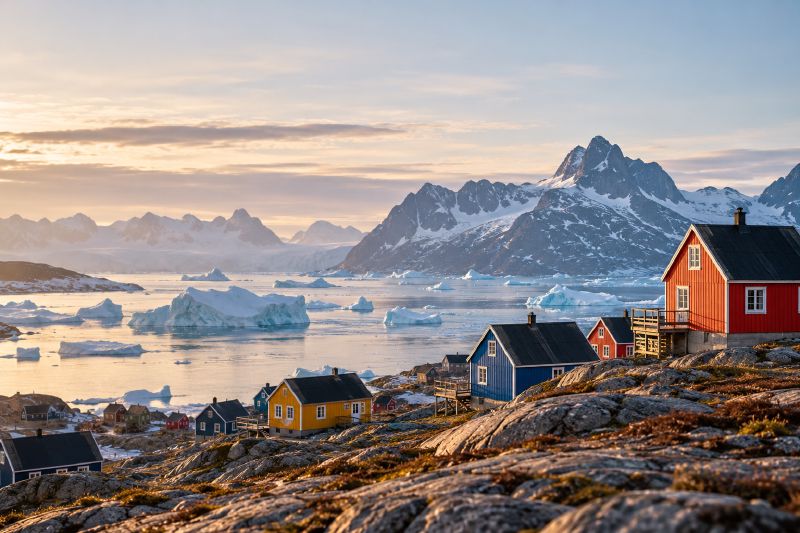
Greenland won home rule in 1979 after a referendum, and it gained its own parliament to decide and run internal matters. Denmark held on to the rest: constitutional affairs, foreign relations and defence, according to the BBC’s timeline of the island. That split still shapes every argument about Greenland’s future.
Three centuries of rule from Copenhagen
Home rule ended a long run of rule from Copenhagen. Danish colonisation began in 1721, with a settlement near present-day Nuuk. Denmark claimed a full monopoly on trade with Greenland from 1776.
In 1953 Greenland became an integral part of the Kingdom of Denmark, with seats in the Danish parliament. Greenlanders never voted on that 1953 constitution, Naaja Nathanielsen, one of the island’s two MPs in Copenhagen, told The Guardian. It is still the document that bars Nuuk from running its own foreign and security policy.
What the 1979 settlement changed
The referendum moved day-to-day government to Nuuk. The Council on Foreign Relations (CFR) notes that Greenland had been treated as Danish territory for more than 300 years before Denmark granted home rule in 1979.
In 1982 Greenlanders voted to leave the European Community, which Greenland had joined with Denmark in 1972. The withdrawal was complete by 1985.
The second step, in 2009
Home rule turned out to be a starting point. In November 2008 Greenlanders voted in another referendum for more autonomy and greater control over energy resources. The same vote made Kalaallisut, or West Greenlandic, the official language in place of Danish.
The Act on Greenland Self-Government followed in 2009. CFR says it extended Nuuk’s authority to the police, the courts and the coast guard. The Guardian notes that the act recognised the Greenlandic people’s right to self-determination. Under it, Greenland can become independent through a referendum, with the Danish parliament’s approval.
What Copenhagen still holds
Denmark still runs Greenland’s foreign affairs, defence policy and monetary policy, and pays an annual subsidy of about $600 million, according to CFR. Every Greenlandic party supports eventual independence, The Guardian reports. They differ on speed. Naleraq wants it as soon as possible, and its MP Qarsoq Høegh-Dam told the paper he hopes to make his own seat in Copenhagen unnecessary.
The line between home affairs and foreign affairs has been tested hard since. In September 2026 the US, Denmark and Greenland signed a security deal that keeps the island a semiautonomous Danish territory. Greenland kept its right to self-determination and full ownership of its natural resources under the deal, CFR says.