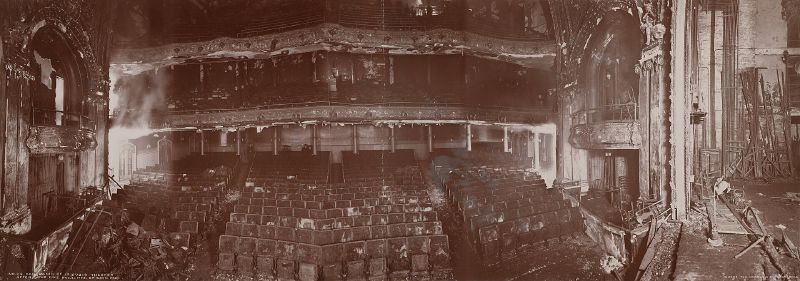
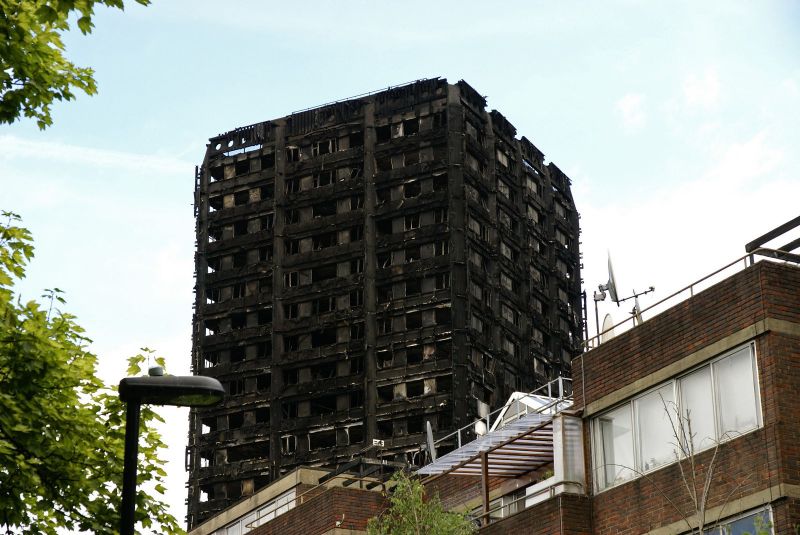
A fire killed 72 people at Grenfell Tower in June 2017. The cladding blamed for helping it spread had failed fire tests for 12 years before the fire. The disaster ended with a new law, the Building Safety Act, and a regulator empowered to prosecute builders who ignore it.
more
The panels on the tower
The panels wrapping Grenfell Tower were Aluminium Composite Material, plastic sandwiched between two thin sheets of aluminium. Arconic, the French manufacturer, sold its version as Reynobond PE. The version fitted at Grenfell was folded into “cassette” panels that hid the fixings behind a cleaner finish.
Arconic’s own French tests, run from 2005 onward, rated the cassette version E on a scale that runs from A1 to F, the worst possible mark bar one. The rating held in retests in 2011, 2014, and 2015. England’s building code required a rating of B for cladding on towers above 18 metres.
The company’s UK sales manager, Deborah French, told the inquiry that British buyers preferred the cassette system for its appearance. France was moving to a fire-retardant version, but Britain was not.
Arconic knew the risk. In 2007, a consultant warned an Arconic marketing manager that a fire in an ACM-clad building could kill 60 to 70 people, a warning the inquiry later heard in evidence.
The judge’s ruling
Sir Martin Moore-Bick, who chaired the public inquiry, ruled in October 2019 that Grenfell’s refurbished exterior breached Requirement B4(1) of the Building Regulations 2010. That requirement obliges external walls to resist the spread of fire.
His report found the ACM panels did the opposite. They “actively promoted” the fire’s spread, fuelled by polyethylene that melted and dripped, igniting new fires lower down the tower that then climbed back up.
The inquiry also heard that the British Board of Agrement, the body that certifies construction products, had certified the cladding without ever seeing the class E test results for the cassette version. Arconic’s president in France, Claude Schmidt, told the inquiry this omission would have misled any architect reading the certificate.
What changed afterwards
The government commissioned an independent review from Dame Judith Hackitt, a former chair of the Health and Safety Executive. Her report, Building a Safer Future, made 50 recommendations in May 2018, and the government accepted them.
Those recommendations became the Building Safety Act, passed in 2022. It created three bodies. The Building Safety Regulator can prosecute for non-compliance. The National Regulator for Construction Products checks that products sold in England are safe. A New Homes Ombudsman takes complaints from buyers of new-build homes.
The act also shifted who pays. Leaseholders gained legal protection from having to pay straight away for historical safety defects like unsafe cladding. Freeholders and developers were required to contribute to fixing them instead.
A building counts as “higher-risk” under the act if it is at least 18 metres tall, or has seven or more storeys and contains two or more homes. Such buildings now face a three-stage gateway review before they can be occupied.