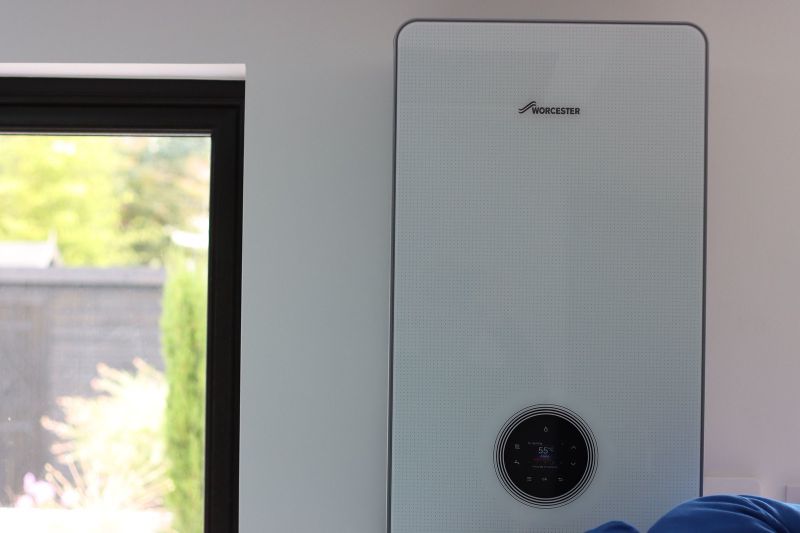
A combi boiler connects directly to the mains cold water supply, and it heats water the moment a tap or shower opens rather than drawing it from a tank. There is no cylinder sitting full and warm in an airing cupboard, waiting to be used. Turn the tap, and the boiler fires and heats the water as it flows through.
more
That single design choice is why a combi boiler is the most common type installed in the UK. It also explains most of what people like about it, and most of what frustrates them.
Why it needs no tank
A heat-only boiler, sometimes called a conventional or regular boiler, warms water in advance and keeps it in a hot water cylinder, ready for when somebody wants it. That cylinder has to be big enough for the household, and it has to be topped up from a cold water tank, usually fitted in the loft.
A combi boiler skips both tanks. All the heat and hot water comes directly from the unit itself, so there is nothing to store and nothing to lose heat from while it sits unused. That is also why a combi boiler takes up less space than the alternatives, and why its parts sit inside one compact casing rather than spread across a loft and an airing cupboard.
What “on demand” actually buys you
Instant hot water is the headline benefit. A combi boiler does not make you wait for a tank to heat up. It will keep supplying hot water for as long as a tap stays open, because it is not working from a fixed, storable amount. A heat-only boiler, by contrast, can run out: once heavy use drains the cylinder, the household waits for it to refill and heat up.
The trade-off shows up the moment two people want hot water at once. A combi boiler supplies water more slowly when it serves two places at once, so two showers, or a shower and a kitchen tap, usually cannot run hot together. A system boiler, which does keep a cylinder, can draw hot water to several taps simultaneously because it is drawing from a store rather than heating on the fly.
What limits it
A combi boiler is fed by mains water pressure, and it has no tank of its own to smooth out a poor supply. Combi boilers do not work as well in homes with poor water pressure. The Energy Saving Trust lists low water pressure as one of two cases where a combi boiler may be less suitable.
The other reason is demand. A household with several bathrooms and people who want hot water at the same time is better served by a system that stores it. A combi boiler serves one draw well and struggles with several. Which? makes the same point from the buyer’s side: install the wrong type, and a household can face much higher bills or long delays for hot water.
Where the efficiency argument sits
Because nothing sits in a cylinder losing heat, a combi boiler avoids the standing loss that a stored system carries. Combi boilers are also often the least expensive kind of boiler.
It does carry its own cost on the other side of the ledger. A combi boiler contains moving parts, so more can go wrong with it than with a conventional boiler. Most UK heating engineers are trained on combi boilers regardless, because they are the type installed most often, so finding somebody qualified to fix one is rarely the problem.
The one thing to check before switching
The Energy Saving Trust flags a specific catch for anyone thinking ahead to a heat pump. Most heat pumps work with a hot water cylinder, so a household that swaps to a combi boiler now may need to fit a cylinder back in later. It is a detail easy to miss when the appeal of a combi boiler is precisely that it does away with one.