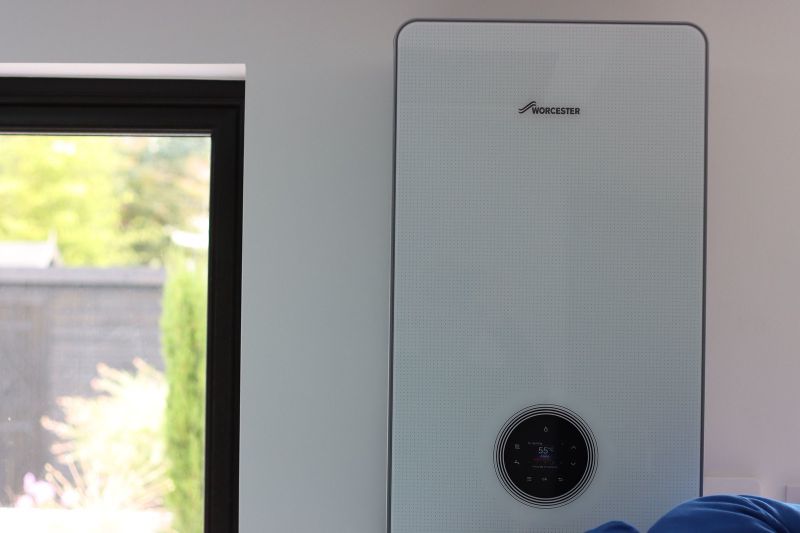
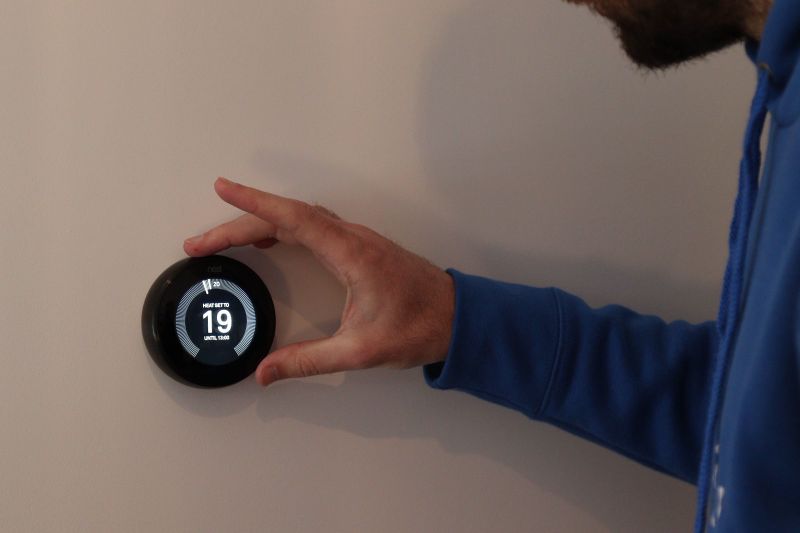
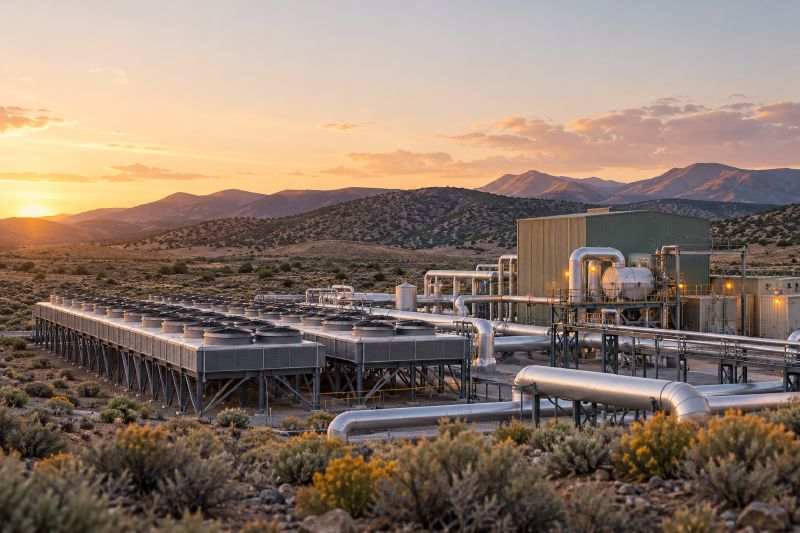
A heat pump does not make heat. It carries heat that already exists from one place to another, where a boiler burns fuel to create it. An air source heat pump takes that heat from the air outside a house and uses it to warm the rooms. Because it only moves heat, it keeps working in weather well below freezing.
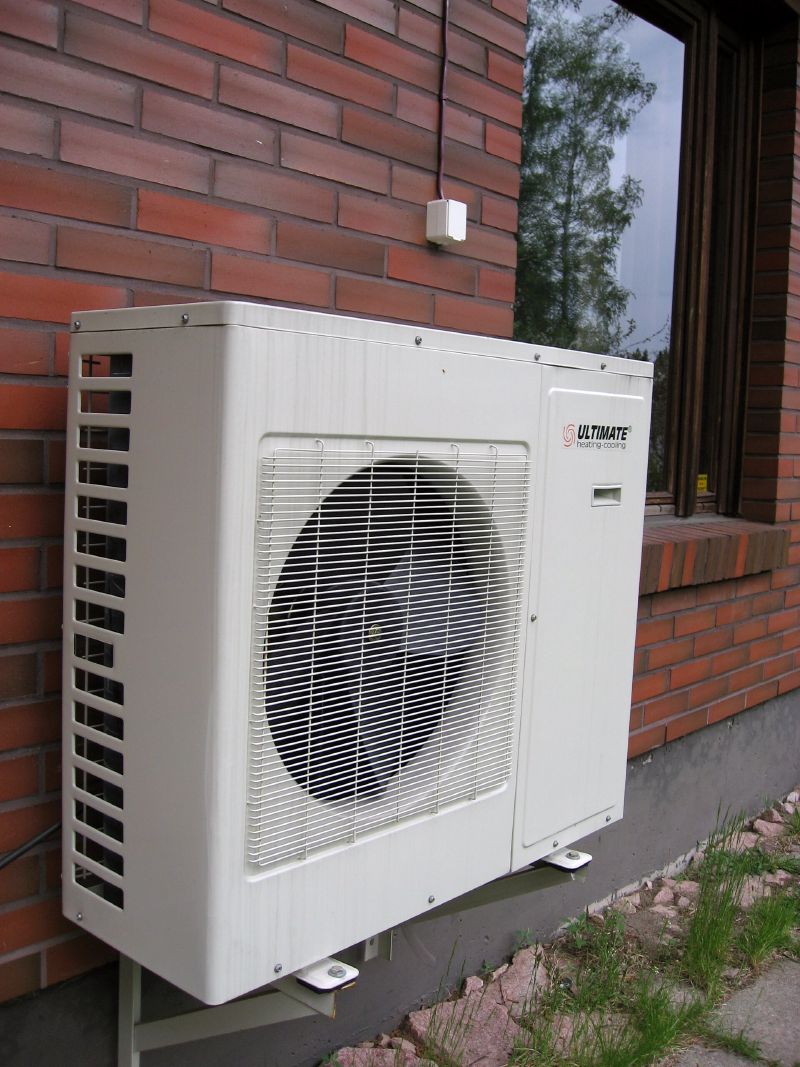
more
Cold air is not empty air
That it works in the cold seems odd only because of a mistake about temperature. Fahrenheit and Celsius both put their zero at an arbitrary point, as an article in GreenBuildingAdvisor points out. The Kelvin scale starts at absolute zero, and the heat in air rises in step with it.
On that scale, air at -18C sits at 255 K and a room at 21C at 294 K. The article works out that the colder air still holds 85 to 90 per cent as much heat as the warm room. Freezing air, in other words, still has most of its warmth left to give.
How the heat gets indoors
The trick is to make something colder than the outdoor air. A heat pump drops the pressure on a liquid refrigerant through an expansion valve, and its temperature falls well below that of the air outside. Heat flows from warmer to colder, so the outdoor air warms the refrigerant until it boils into a gas.
A compressor then squeezes that gas, and its temperature climbs, in the way a bicycle pump warms as you use it. The hot gas gives up its heat to the house through an indoor coil and turns back into a liquid, and the loop starts again.
In a British home the heat usually lands in water. The Guardian explains that most UK installations are air-to-water systems that feed radiators or underfloor heating. About 323,000 of the UK’s 358,000 heat pumps are that type, according to Microgeneration Certification Scheme data the paper cites.
How cold is too cold
Efficiency falls as the air gets colder, because the compressor has to work harder. The US Department of Energy is funding research to push that limit down.
One project, led by the Electric Power Research Institute with Oak Ridge National Laboratory, pairs a standard heat pump with a thermoelectric one. The DOE put $1.8 million into it between October 2021 and September 2024. Its target is a heat pump that works down to -25C and still returns more than 2.3 units of heat for each unit of electricity.
The added thermoelectric stage cools the refrigerant before it reaches the outdoor coil. The DOE says that gives a similar effect to a vapour injection compressor at a fraction of the cost. The project also aims for energy savings of more than 10% in heating mode, and plans field tests in both cold and moderately cold climates.
The same machine runs backwards
Because a heat pump only moves heat, it can move it the other way. Andrew Ingram, of Maidenhead in Berkshire, told the Guardian his system could bring his living room down to 21C when it was 35C outside. His whole system cost about £18,600, of which the cooling part was £1,700.
Researchers at the University of Salford tested the idea in Energy House 2.0, a £16m climate chamber. With the lab set to 32C, a heat pump paired with fan coils kept the rooms between 19C and 24.9C. Running around the clock, it cost £2.50 to £3 a day.
Prof Lubo Jankovic, who led the work, still told the Guardian that designing systems for both jobs is a problem to solve before cooling this way becomes mainstream.