The Black Death was a pandemic of plague that tore through Europe in the 1340s. BBC Bitesize says it killed up to half the population in 1348 and 1349. National Geographic gives a lower figure, about a third of the continent, or an estimated 25 million people.
The killer was a bacterium, Yersinia pestis, and the carrier was a flea that lived on rats. Nobody at the time knew either fact.
Where it came from
The two sources disagree on the start. Bitesize places the origin in Asia in 1346. National Geographic says historians believe it began in China in 1334 and moved along trade routes. Bitesize adds that the Crusades had raised European appetite for goods from Asia, and that this trade helped the plague travel. Both agree that trade carried it west, and National Geographic says it reached Europe through Sicilian ports in the late 1340s.
Bitesize dates England’s first recorded case to June 1348. Bitesize says the disease probably arrived on a ship from Gascony that landed on the Dorset coast, and then spread fast.
Nobody called it the Black Death
People living through it did not use the name. They spoke of “the pestilence” or “the Great Mortality”. According to Bitesize, the phrase “Black Death” first appeared in English in the 1700s.
Two kinds of plague
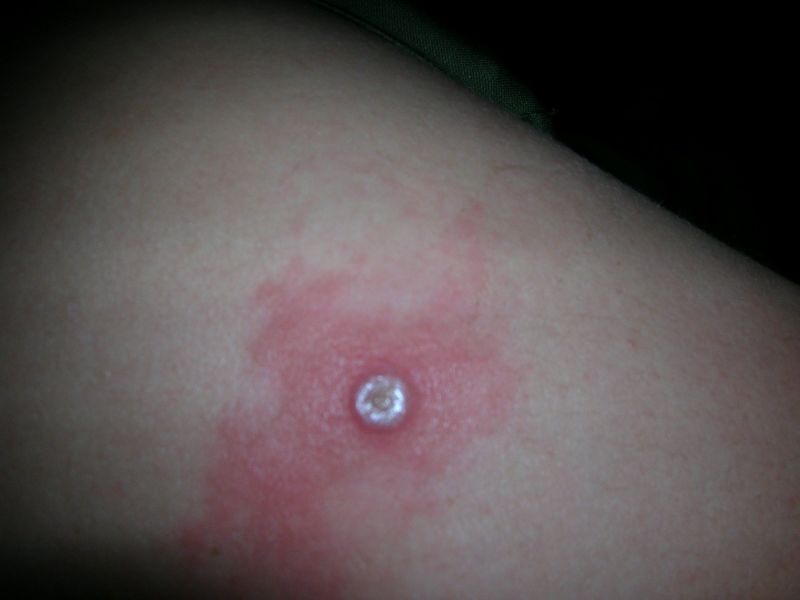
Bubonic plague took its name from the buboes, swollen lymph nodes in the groin, armpit or neck. Skin sores could turn black. Bitesize puts its death rate at about 50%.
Pneumonic plague was worse. It moved into the lungs and passed directly between people through coughing. Bitesize gives it a death rate close to 100%.
The usual route into a person was a bite. A flea that had fed on an infected rat jumped to a human and passed the bacteria on. National Geographic names the flea as Xenopsylla cheopis. Towns made that easy, Bitesize notes, because people routinely dumped raw sewage in the streets and rats thrived.
What doctors believed
Bitesize notes that the link between germs and disease was not made until the 1800s. It says medieval doctors blamed an imbalance of the four humours, and bled patients to restore it. Others blamed miasma, the bad air rising from filth.
Some explanations were religious, Bitesize adds. Flagellants whipped themselves to seek God’s forgiveness, and astrologers blamed the alignment of the planets.
One instinct helped by accident. Fines for dumping waste were aimed at the smell, but cleaner streets may also have meant fewer rats, Bitesize says. According to Bitesize, London hired muckrakers to clear the streets. Gong farmers emptied the cesspits that latrines drained into, because full pits caused foul smells.
Treatment ranged from the useless to the possibly helpful. Bitesize says some doctors still drilled holes in patients’ heads, an old practice called trepanning, to release bad spirits. Others burst the buboes, and Bitesize says there is some evidence this improved the odds of survival.
The answer, 546 years later
Plague had struck before. The Plague of Justinian began in 542 AD and, by modern estimates, killed almost 100 million people. National Geographic ranks plague second only to smallpox among the deadliest diseases in human history.
The cause stayed hidden until 1894, when Alexandre Yersin identified the bacterium that now bears his name. Plague did not vanish with the Middle Ages. London lost 70,000 people in the Great Plague of 1665 and 1666. A later pandemic began in China in 1860, lasted officially until 1959, and caused about 10 million deaths. It was during that outbreak that Yersin made his discovery.
It still turns up today, mostly in Africa since the 1990s, according to National Geographic. Between 2004 and 2014 the Democratic Republic of the Congo reported most of the world’s cases, with 4,630 people infected and 349 deaths. The difference now is antibiotics, which can treat it.