Henry Ford’s moving line did not start with a machine. It started with a car that kept one design. Ford’s team broke its assembly into single steps and trained one worker for each. In 1913 those pieces came together in a moving line.
more
Why the car had to be simple first
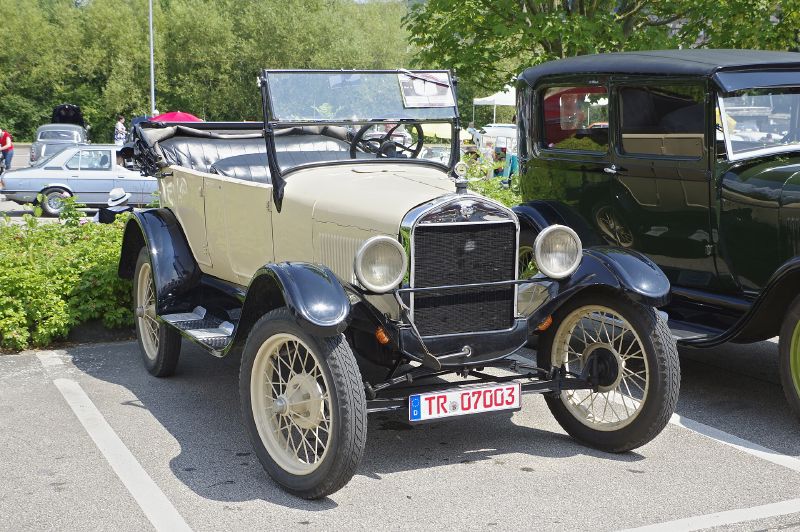
From its launch in 1908, the Model T came in one body, with no factory options and, famously, no choice of colour. Ford and his team took four principles from other industries. Parts had to fit any car without hand adjustment, work had to flow steadily, one worker had one job, and as little motion as possible went to waste. Take interchangeable parts. Once a valve or a steering wheel was cut to the same size every time, a machine operator with little training could fit it. Ford no longer needed the skilled hand-fitters earlier carmakers relied on.
Where the idea for a moving line came from
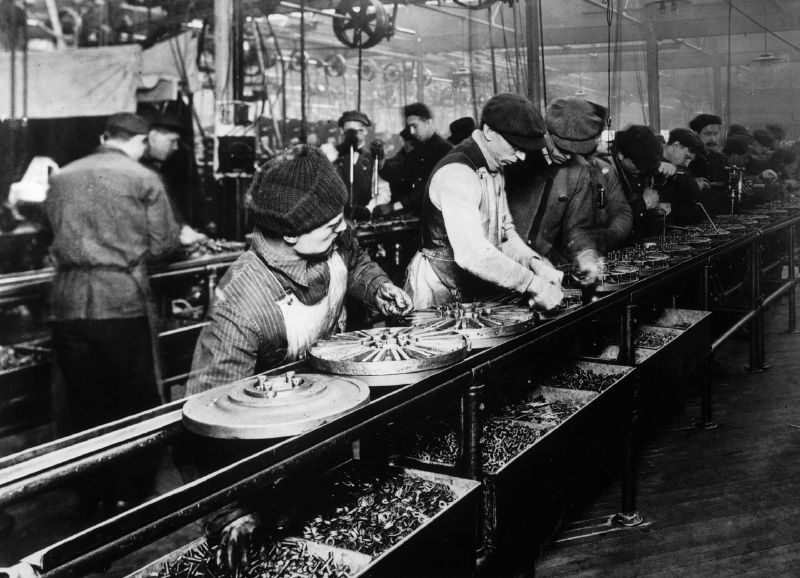
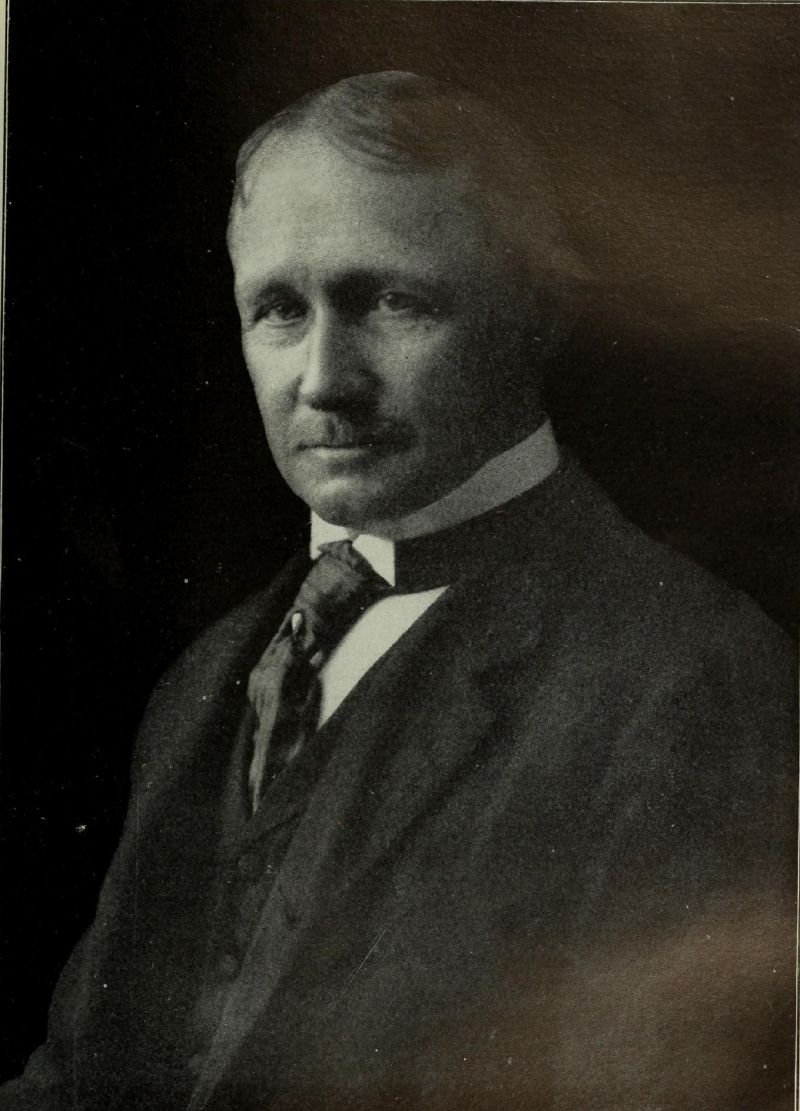
Ford’s team borrowed an idea from two trades that had nothing to do with cars: a conveyor belt at a grain mill, and the meatpacking houses of Chicago. The point, in both cases, was to bring the work to a stationary worker rather than send a worker chasing the work. Ford split the Model T’s construction into 84 separate jobs and trained one worker to each. He also brought in Frederick Winslow Taylor, the founder of what was then called scientific management, to time every motion on the floor. None of this arrived at once: Ford tested and adjusted the pieces for roughly five years, and the moving line itself first ran on December 1, 1913.
The line itself
Once the line moved, a chassis travelled the floor rather than a crew moving around it. A conveyor carried it past workers who each focused on one specific part of the job. Assembly time fell from twelve and a half hours to about an hour and a half. A finished Model T left the line roughly every three minutes. The company built fifteen million Model Ts between 1908 and 1927, all from the design the line was built to serve. By 1927, a new Model T cost less than half what one had in 1908.
Why Ford doubled the wage
Cheaper cars did not come free to the people who built them. Each of the 84 jobs had shrunk to one motion, repeated for a full shift, and many workers quit. In 1913 alone, the company had to hire more than 52,000 people to keep a workforce that numbered only 14,000 at any one time. Ford’s answer, announced in 1914, was to raise pay from about $2.25 for a nine-hour day to $5 for an eight-hour one. Not all of that money was pay outright: $2.66 of it depended on meeting standards for “clean living” that Ford’s own Sociological Department set by inspecting a worker’s home life. Other industrialists called Ford “a traitor to his class” for the move. The money still drew people from all over the country looking for work at Ford.
What the line did not fix
The wage rise did not settle everything. Ford’s own Service Department employed men who intimidated union organisers, and the company did not recognise a union until 1941. Henry Ford also spent his own money spreading his antisemitic views: in 1918 he bought a newspaper for that purpose, and every Ford dealer kept copies on hand for customers.
Not every worker on the floor thought the trade was worth it. “It’s my boss,” one Ford machine operator told a journalist in the 1920s, describing the pace the conveyor set rather than any person on the line. Smithsonian Magazine’s own verdict on the events of December 1913 put the point more bluntly: set the car aside, and the real invention was the line that built it.