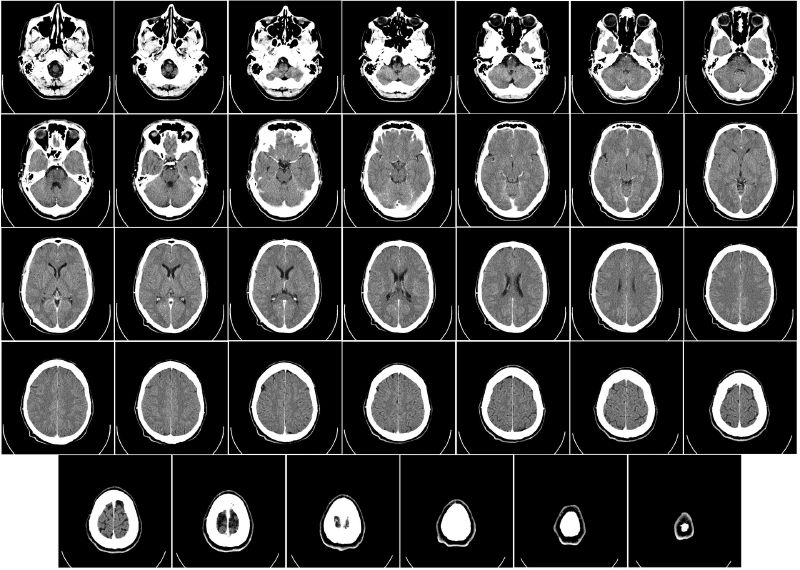
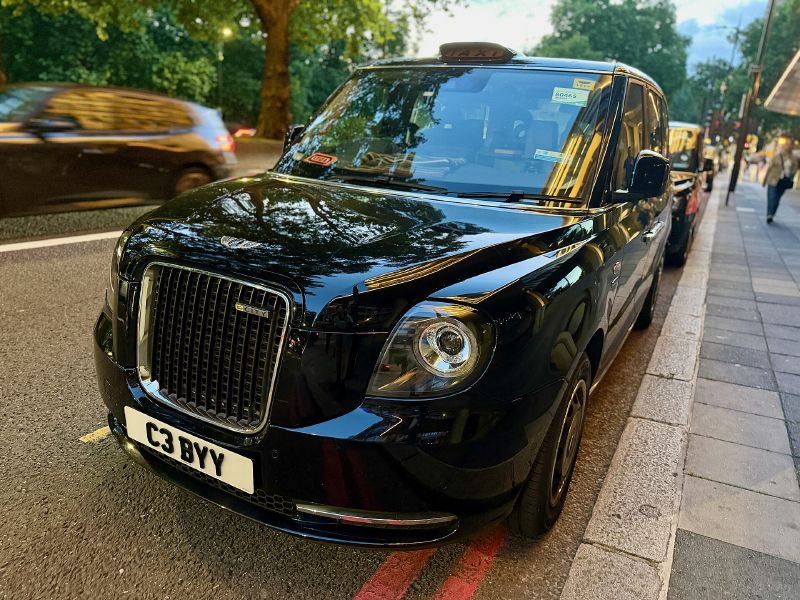
Studying for The Knowledge makes a London taxi driver’s hippocampus swell as they learn the city’s streets. The growth shows up in the back of that region, and only in trainees who go on to pass. Eleanor Maguire and Katherine Woollett of University College London showed this by scanning the same people before and after their training.
more
What a trainee has to learn
Since 1865, would-be cabbies have had to memorise every street within six miles of Charing Cross, about 25,000 of them. They must also know the locations of 20,000 landmarks and 320 routes linking them up. Learning it all takes two to four years.
Trainees prove what they know in “appearances” at the licensing office. There they recite the best route between two points from memory, naming roads, junctions, and landmarks along the way. Only around half of those who start pass.
The first clue, in 2000
Maguire published the first result in the Proceedings of the National Academy of Sciences in 2000. It found the hippocampus much larger in London cab drivers than in other people. The size of the region also tracked how long each driver had been working.
Animal studies had already linked this seahorse-shaped area to memory and a sense of space. The enlargement does not appear in London bus drivers, who share the driving skills but follow fixed routes. Memory champions and doctors did not show it either.
Cabbies became regulars in her lab. “They know that they’re special,” Maguire said of them, because what they achieve on qualifying is impressive enough that they willingly come in to be tested. One of her studies found a driver’s hippocampus most active at the moment they first plan a route. Animals that store a lot of food also tend to have a bigger hippocampus than those with no hiding places to remember.
That still left a doubt. People born with a large hippocampus might simply be the ones who take up cab driving and pass.
Scanning the same brains twice
To settle it, Woollett and Maguire scanned 79 trainees who had just started, along with 31 men who had no plan to drive a cab. At the start, the groups showed no difference in the structure of either the front or the back of the hippocampus. They also did equally well on memory tests.
Three to four years later, 39 of the trainees had qualified. Those 39 now had more grey matter in the posterior hippocampus than before they began. The trainees who failed showed no such change, and neither did the controls. Current Biology published the work in 2011.
Nature’s report put the finding in one line: the hippocampi of London taxi drivers swell as they learn the streets. The alternative explanation, that a large hippocampus draws people to the job, no longer held.
The memory it costs
The gain came with a loss. Qualified and failed trainees alike beat the controls on tasks about London landmarks. But the qualified drivers did worse than the controls at recalling complex visual information.
Earlier studies had found the same pattern in working cabbies. They struggled to fit new routes into their mental maps, and their hippocampus shrank back to normal size after they retired.
What nobody yet knows
The study shows the change but not its cause at the level of cells. Maguire and Woollett suggest two candidates. The hippocampus is one of the few brain areas that makes new nerve cells in adults, so effortful learning may raise that rate. The other option is that the links between existing cells grew stronger.
Maguire also asked whether the trainees who passed carried a biological edge from the start, such as a genetic bent towards a more adaptable brain. She called that question of nature against nurture still open.