To get rid of fruit flies, remove what they breed in first and trap the adults second. Which? says a trap on its own is unlikely to finish the job. It does nothing about the eggs already sitting in the fruit bowl.
more
Why a few flies become a swarm
Speed is the problem. A fruit fly can lay up to 500 eggs in one go, and an egg becomes an adult in about a week. Warm weather shortens that cycle further, which is how a couple of flies turn into an infestation.
Alex Wade, a pest management consultant with the British Pest Control Association, told Which? that you have to break the whole cycle, from egg to adult, to get control. That is why Which? says fly spray, fly tape or a homemade trap on its own is unlikely to be a complete answer.
What draws them in
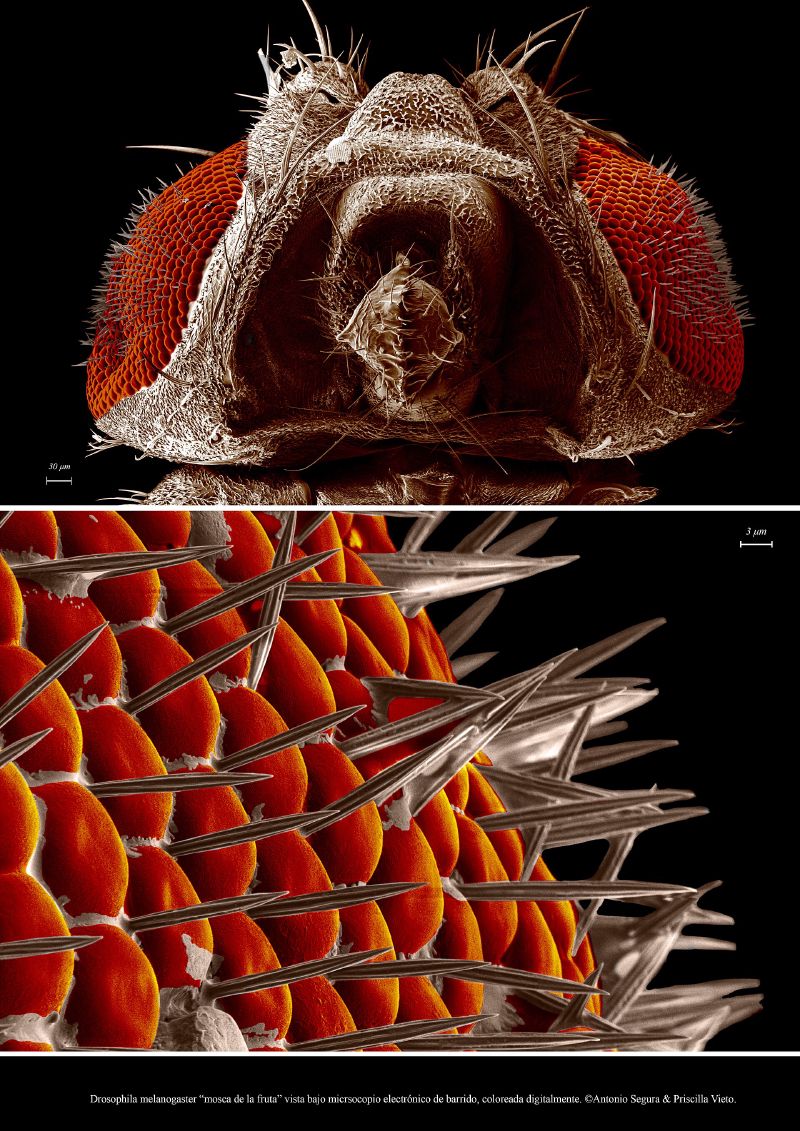
The fruit fly in your kitchen is Drosophila melanogaster. Good Housekeeping, drawing on the pest firm Orkin, lists what attracts it:
- ripe, rotting or decayed fruit and vegetables
- fermented drinks such as beer, wine and spirits
- bins and waste disposal units with food left in them
Check you have the right insect before you act. Good Housekeeping notes that people often mistake fruit flies for drain flies, house flies or gnats.
The flies do not stay in the kitchen. Which? warns that they will settle in a bedroom or living room if there is food there, including a spill of fizzy drink you cannot see.
Clear the breeding spots first
Start here. Wade’s first advice is to empty and clean the bins. Summer heat turns a wheelie bin into the kind of sticky place fruit flies seek out.
Then deal with the produce:
- Check the fruit bowl often and throw out anything rotting.
- Keep fruit in the fridge or under a lid, which interrupts any eggs and larvae already on it.
- Look through the vegetable box, and check a delivery when it arrives for anything soft at the bottom.
- Freeze bread and other food that is going past its best, and thaw only what you need.
- Wash produce when you get home to remove eggs or larvae.
Clean up juice and alcohol spills straight away. Which? also flags vases of cut flowers as a less obvious spot where flies gather.
Then trap the adults that remain
Once the breeding sites are gone, a trap mops up the survivors. Good Housekeeping describes several homemade versions.
Vinegar under cling film. Pour a little apple cider vinegar into a glass, cover it with plastic wrap held by a rubber band, and poke a few holes in the top. The magazine says apple cider vinegar works better than white vinegar, and suggests setting several traps around the kitchen.
Paper cone. Put vinegar and a piece of very ripe fruit in a jar, then push in a rolled paper cone with the narrow end down. The flies find their way in and struggle to get out. The cut-off top of a plastic bottle does the same job.
Vinegar and washing-up liquid. If flies ignore the covered traps, add three drops of washing-up liquid to an open bowl of vinegar. The soap breaks the surface tension, so the flies sink rather than land.
Leftover wine or beer. An open bottle with a little wine in it works, because the narrow neck keeps the flies in. Good Housekeeping adds that the Old Farmer’s Almanac recommends stale beer for the same purpose.
When to reach for anything stronger
Wade suggests insect mesh on windows, which cuts the number of flies coming in without blocking the air in summer. Electronic fly killers can help as well.
Chemical insecticide comes last. Which? says to try a product made for kitchens only if the other methods fail, and to follow the maker’s instructions closely.
Fruit flies do not bite. They can still carry bacteria such as E coli, listeria and salmonella from a bin to a worktop, according to Which?. So the week you spend clearing their breeding spots protects your food as well as your patience.