Triple glazing adds one thing double glazing doesn’t have: a third pane, sealed behind a second gas-filled gap. That second gap gives heat a second barrier to cross. It’s why triple glazing typically reaches a lower U-value than double glazing, on the standard measure of how easily heat passes through a window. A double-glazed unit usually sits around 1.2, though some centre panes now reach just under 1. Triple glazing can fall below 0.5.
more
How the second gap does the work
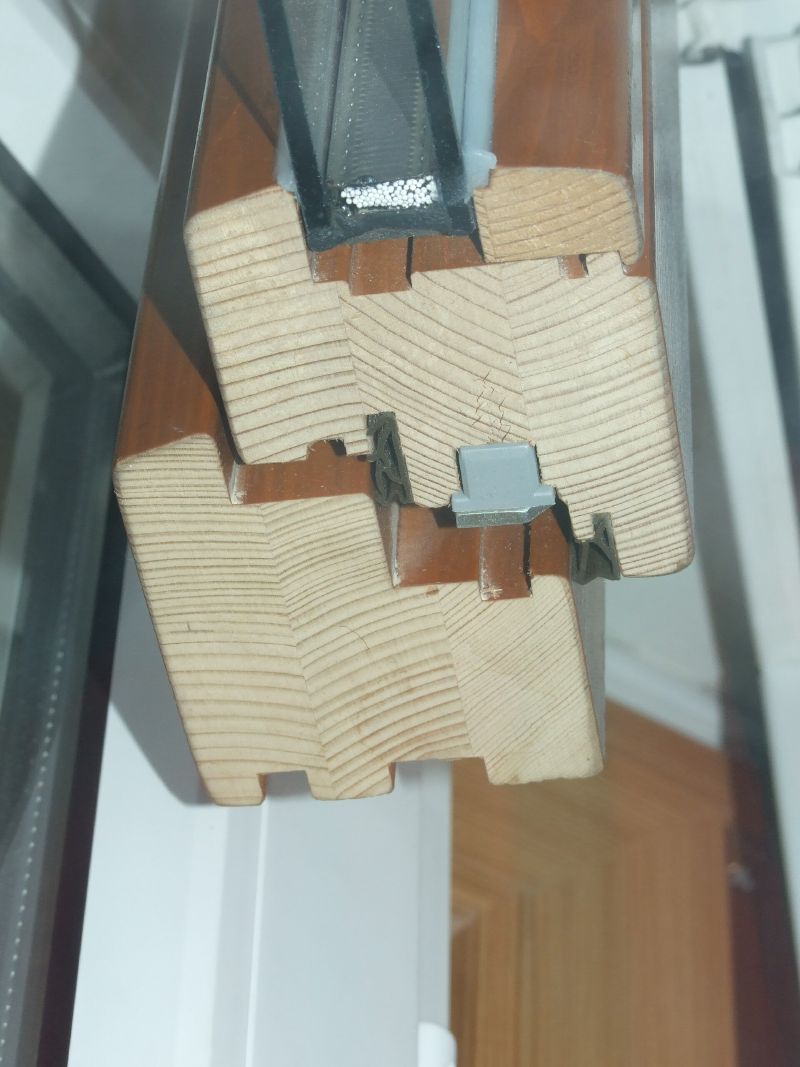
A single pane of glass gives heat little to slow it down. Double glazing fixes that. It seals two panes around a spacer bar and fills the gap between them with air or an inert gas such as argon, a barrier that cuts the heat crossing the window. Triple glazing repeats the trick. A third pane creates a second sealed gap, so heat has to cross two insulating layers rather than one before it reaches the outside face. The Energy Saving Trust says the result eliminates more of the draughts and noise a double-glazed home still lets through, and cuts heat loss further still.
Why the same idea works for sound and damp too
The gap that slows heat also blocks sound and damp. Energy-efficient glazing, the Energy Saving Trust says, brings a more comfortable home with fewer draughts and cold spots, more quiet against noise from outside, and less condensation building up on the inside of the glass. A well-maintained double-glazed window lasts between 20 and 35 years. Condensation between the panes, discoloured glass, a sudden draught, or a window that sticks when opened or closed are the signs it’s due for replacement.
What triple glazing costs, and who it suits
Triple glazing costs around 20% more than double glazing to install. The Energy Saving Trust frames that premium as most worthwhile in a particularly cold or noisy home, where the extra insulation and quiet earn their keep. Two homeowners the BBC spoke to found the extra cost bought a warmer home. Helen Matthews, in Sheffield, spent £13,500 replacing all her windows and two exterior doors with triple glazing, and says the draught she used to feel standing near a window is gone. Hester McQueen, in Edinburgh, paid around £6,000 to replace four windows and calls the result “dramatic”: warmer rooms, and a steadier temperature down the stairs.
Not every upgrade pays off the same way. Swapping single glazing for A-rated double glazing saves around £85 a year on energy bills in Great Britain, and £140 in Northern Ireland, the Energy Saving Trust says.
Why triple glazing is still rare in the UK
More than 85% of British homes already have double glazing, according to government data, and triple glazing remains rare enough that the government cannot say how many homes have it. That may not last. Rules for England, still to be decided, could set a maximum U-value of 0.8 for windows. The BBC reports that this would very likely turn triple glazing into the norm for new homes from 2025.
Phil Brown, technical advisory service manager for the UK and Ireland at the glassmaker Pilkington, says homeowners are “asking more” for triple glazing, and that the industry is investing in manufacturing accordingly. Mark Norcliffe, managing director of Cornwall Glass Manufacturing, calls the shift “inevitable”, with one condition: “it’s got to be affordable.”
The glass and frame matter too
Adding a pane is not the only way to cut heat loss. The most efficient glass for double and triple glazing is low-emissivity glass. Its thin metal-oxide coating on the inner surface reflects heat back into the room while still letting light through. Windows fitted with warm-edge spacers, which use little or no metal to hold the panes apart, perform better than those with standard spacers. A homeowner who cannot replace a window at all still has options: thicker curtains, sealing draughts at the frame’s edges, or a magnetic or film-based secondary glazing fitted to the inside of the existing pane. Brian Horne, technical knowledge lead at the Energy Saving Trust, suggests comparing windows by their energy rating. The rating captures the quality of the frame as well as the glass, and the frame greatly affects how the whole window performs.