A rural hukou follows a Chinese migrant into the city and shuts them out of the benefits city-born residents take for granted. The household registration system links health care, pensions and other welfare to a person’s registered status, so a migrant who moves for work does not move their entitlements with them.
Lynette Ong, a political scientist at the University of Toronto, called it “basically apartheid”. Jiang Wenran of the University of Alberta used the same word to the BBC.
Where the system came from
In 1953 the new Communist government advised people born in the countryside to stay there. Over the following years it built a registration scheme that sorted every person into rural or urban, and only urban residents could live in the cities. Jiang says household registers go back to the dynasties, and have always served central control.
The Communists also used it to pay for industry, he told the BBC. The state bought farm produce from peasants at below market prices.
What a migrant loses
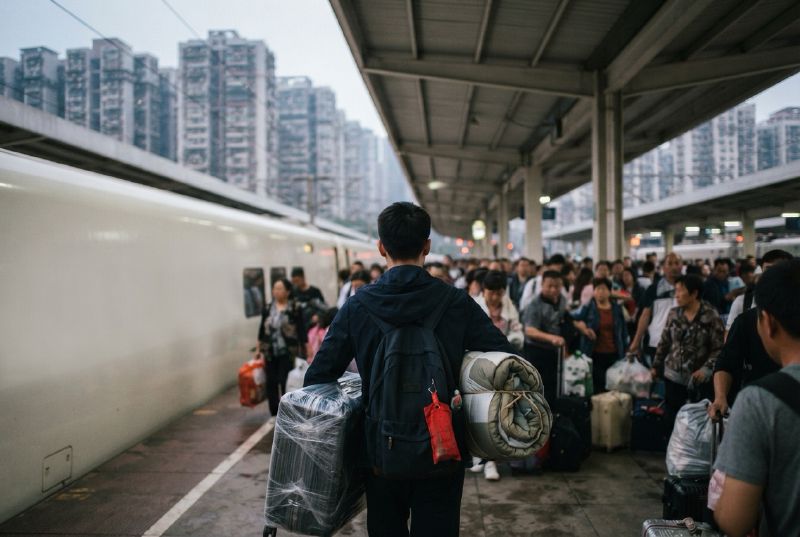
Ren Li, a resident of Chongqing, listed the cost to the BBC. A migrant without an urban permit is paid less, their children have weaker rights to schooling, and welfare is hard to get. Chongqing alone draws 400,000 rural migrants a year.
Schooling is a particular struggle. The Guardian reported that tens of millions of migrants’ children stay behind in the countryside, raised by grandparents.
Arrest used to be a risk too. That changed after a university-educated migrant died in Guangdong in 2003, and a change in the law followed the outcry. Xu Zhiyong, the Beijing law lecturer who exposed the case, told the BBC that smaller cities had dropped the system in all but name.
What the 2014 reform changed
In July 2014 the State Council set out a plan to remove the legal line between urban and rural residents. It aimed to help 100 million people settle in cities over six years. More than that number were already living in cities without official status.
The plan graded cities by size:
- small cities: migrants may settle freely
- cities of three to five million: restrictions apply
- cities above five million: a strict points system
Fei-ling Wang of Georgia Tech, author of a book on the hukou, said the system helps the government rule and is too important to drop. He also pointed to land. In trials, many migrants turned down an urban hukou because it meant giving up rural land rights, which they treat as insurance.
That trade-off is still the question to watch: whether a city card is worth more to a migrant than a field back home.