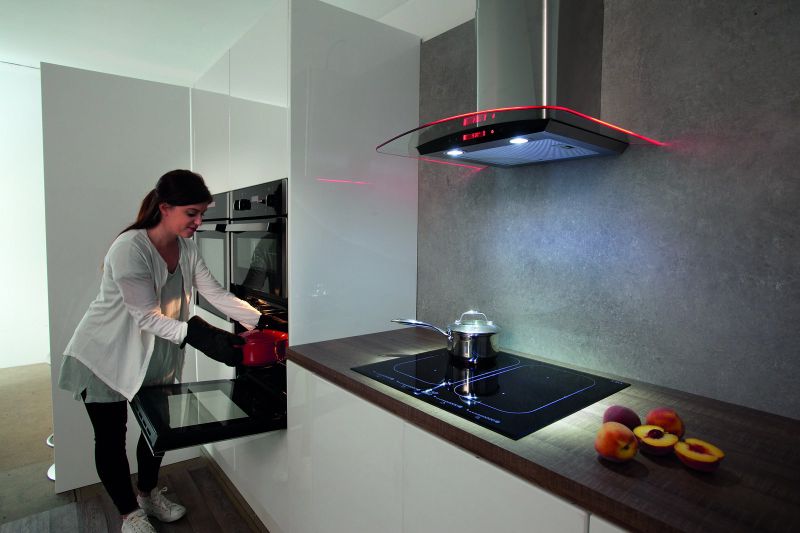
An induction hob heats the pan itself, with no flame and no hot element beneath the glass. Which?, the UK consumer group, says no heat is produced unless a pan touches the hob surface.
more
How it differs from an electric hob
An ordinary electric ceramic hob passes a current through elements under the glass. The surface heats up whether or not a pan sits on it. An induction hob does not work that way.
The Guardian reports one condition: the pan needs magnetic properties to conduct electricity.
Which pans work
Food writer Tim Hayward told the Guardian that any pan a magnet sticks to will work, cast iron among them. His old French copper crepe pans did not work, so he bought a portable gas burner for them.
A cook with non-magnetic pans may therefore need a new set. The Guardian lists that as the main downside.
How fast it is
The Guardian reports a Which? speed test that compared boiling a large pan of water. Gas took 9.69 minutes and induction took 4.81.
Hayward says the response is quick too. He expects a change in the pan within seconds of turning the power on or off. Guardian columnist Thomasina Miers adds that induction does not throw heat at the cook. She also says it uses less energy. Hayward points out that with no point of ignition, a cook need not worry about a frying pan catching fire.
What Which? tests
Which? times each hob as it heats a pan of water from room temperature to 90°C, and records the energy used. It also tests how well each hob holds a gentle simmer. For cleaning, testers let hot oil splatter the hob, leave it overnight, then clean it with washing-up liquid and a sponge.
The group says induction hobs now rival gas for popularity in UK kitchens. It puts the price of a decent model at £200 to £500.