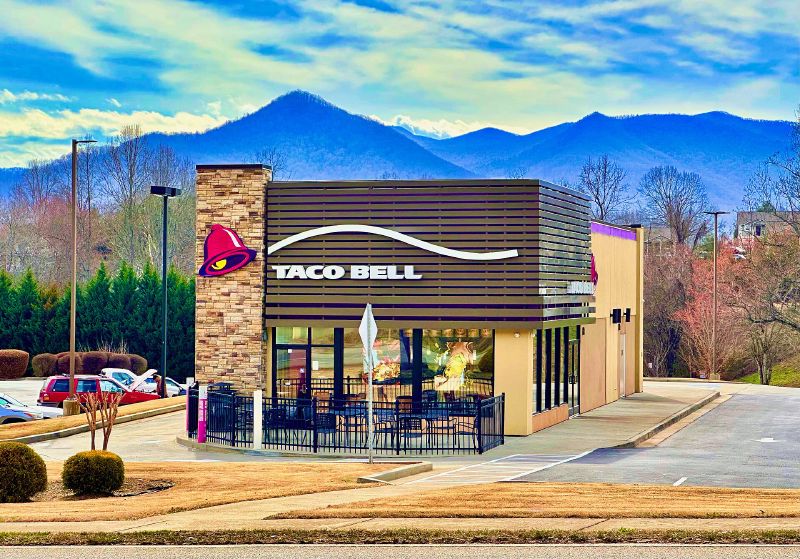
Yes, Taco Bell looks safe on the evidence so far. It has taken the lettuce linked to a US Cyclospora outbreak out of its supply chain, and food safety scientist Tamika D. Sims told Delish there is no science-based reason to avoid the chain or any single item on its menu. The outbreak itself was serious, and it is worth knowing how it unfolded before you order.
more
How bad was the outbreak?
Delish reported thousands of cases nationwide and two confirmed deaths, putting the outbreak among the worst of its kind the country has recorded. The CDC had counted nearly 1,700 confirmed diagnoses and another 5,100 reports, spread across 34 states.
Cyclospora is a microscopic parasite. It infects the small intestine when someone swallows contaminated food or water, according to the CDC. The agency links it most often to fresh produce such as leafy greens, cilantro and berries. In all, 145 people had needed hospital care.
The CDC tied the largest identified cluster to shredded iceberg lettuce served at Taco Bell restaurants in five states: Indiana, Kentucky, Michigan, Ohio and West Virginia. It warned diners not to eat that lettuce at those restaurants.
The picture sharpened over a few days. Early on, Taco Bell told Fox News Digital that public health officials had not confirmed a link to the chain or to any ingredient, and that it had removed limited ingredients at some restaurants as a precaution.
One patient’s week
Alonso Zaragoza, 46, from the Belmont Cragin area of Chicago, told NBC Chicago his symptoms began over the weekend of July 11 and 12. He described four days without sleep, with chills, fever, vomiting and a five-pound weight loss, before a night-time trip to the emergency room. Doctors at Northwestern Hospital confirmed the parasite. Looking back over his meals, the only lettuce he could find was in a chalupa from a Taco Bell Luxe Box.
Where the lettuce came from
The FDA ran a traceback investigation that led to one supplier in Mexico. On July 17, federal officials named Taylor Farms de Mexico, and Taylor Farms said the same day it was withdrawing all its Central Mexico-grown iceberg lettuce from the US market.
Two days later, the FDA said the lab sample tied to that lettuce was a false positive. That did not clear the supplier. Sims pointed out that the FDA said the correction “does not change the basis” for its investigation or for the recall, because the wider epidemiological and traceback evidence still stood. The recall stayed in force.
Taco Bell said it had voluntarily pulled the product from its restaurants and removed the ingredient from its supply chain across the country.
Why Sims says ordering is fine now
Sims explained that regulators follow a set sequence of traceback, sampling and removal. Once those steps are done, the supply chain in question can count as safe again. A recall exists to close the gap between a product that might be unsafe and one that is off the market, she said. After the removal, she sees no reason to prefer one menu item over another.
If you still feel uneasy, Sims suggested asking your local Taco Bell where its produce now comes from and whether it complies with the recall.
What to watch for
The CDC lists watery diarrhoea, loss of appetite and weight loss among the symptoms. They usually appear about a week after infection, and some people have none at all. Without treatment they can last from a few days to more than a month, and the agency advises anyone affected to stay hydrated and call a doctor.
A stool test can confirm cyclosporiasis, and it can be treated, Sims said. She also recommended checking the CDC’s outbreak page, which changes as the investigation goes on.