Amazon bought Kiva Systems in 2012 as it built out its network of warehouses and tried to improve its margins. The retailer agreed on March 19, 2012, to pay about $775 million in cash for the Massachusetts robot maker. Amazon was already one of Kiva’s customers. Only one earlier Amazon purchase was bigger: the $847 million takeover of Zappos.com in 2009.
more
What Kiva’s robots did
Kiva sold a package of hardware and software for picking, packing and shipping online orders. Hundreds of small mobile robots, run by control software, crossed the warehouse floor and brought items to the workers who packed them. The founder, Mick Mountz, told TechCrunch the system handled two to four times as many orders an hour as the old way. An average system cost about $5 million, and the company had been growing at more than 100% a year.
Mountz founded Kiva in 2003, after working at Webvan, the delivery service that folded after the dot-com bust. By 2012 the company counted Gap, Staples and Saks among its customers. Its investors included Bain Capital Ventures and Meakem Becker Venture Capital.
Why Amazon wanted it
Dave Clark, Amazon’s vice president of global customer fulfilment, said Kiva’s technology raised productivity by bringing products straight to employees. Jason Helfstein, an analyst at Oppenheimer & Company, gave a blunter reading. Amazon’s margins had not been great, he told DealBook, so why not own the technology outright?
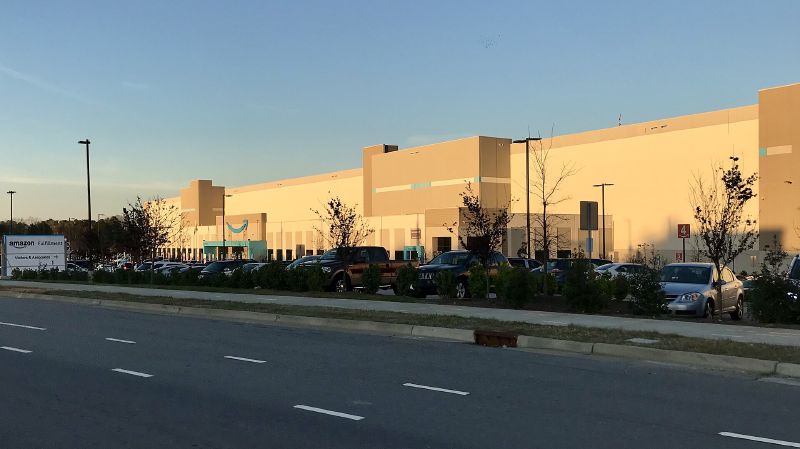
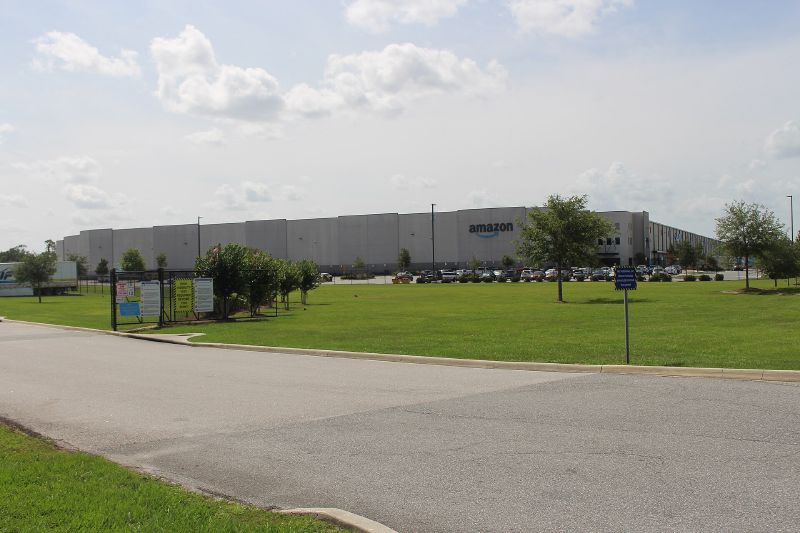
The warehouses were multiplying fast. Amazon opened 15 new fulfilment centres worldwide in 2011 and had about 65 by that July, TechCrunch reported. DealBook said the company planned 17 more warehouses, for a total of 69, as it pushed Prime and its two-day shipping at $79 a year. In a filing, Amazon warned that each added warehouse made its network more complex and harder to run.
How the deal closed
Kiva’s stockholders approved the terms, and the companies expected the deal to close in the second quarter of 2012. Kiva’s headquarters were to stay in North Reading, Massachusetts.
Mountz said he was delighted that Amazon would back Kiva’s growth. The robot maker that had equipped Gap, Staples and Saks was about to become part of Amazon.