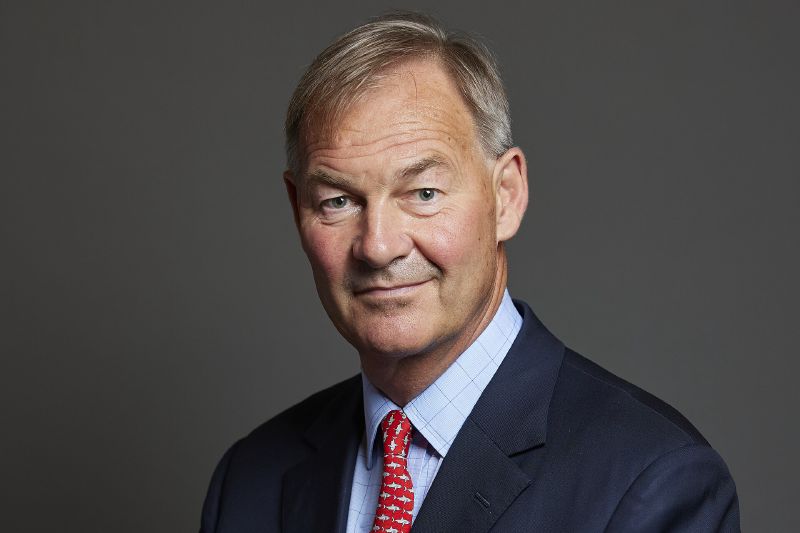
Ed Miliband spent the early summer of 2026 as one of two frontrunners to become Britain’s next chancellor. When Andy Burnham formed his first cabinet in July, the job went elsewhere, and Miliband became foreign secretary instead, taking over from Yvette Cooper.
more
Speaking outside Downing Street after his appointment, Miliband told the BBC it was “the honour of my life” to take the role. He is not the first Miliband to hold it: his brother David served as foreign secretary under Gordon Brown, from 2007 to 2010.
Why the Treasury looked likely
Weeks earlier, momentum had been building behind a different move. Keir Starmer had announced he would resign as prime minister, and Wes Streeting’s endorsement of Burnham made him the clear favourite to replace him. In the race to replace Rachel Reeves at No 11, Miliband and Streeting were named as the two candidates most discussed for chancellor.
Andrea Egan, general secretary of Unison, a union with 1.3 million members, backed Miliband for the post, and the National Education Union also endorsed him. Two other large unions, GMB and Unite, pushed the other way. A senior union figure told the Financial Times that the two unions were working together to block his appointment.
The resistance traced back to his record on energy. As energy secretary, Miliband had refused to license new North Sea oil and gas exploration, and unions in the sector feared he would also block two already-licensed fields, Jackdaw and Rosebank. Some investors went further, recalling his years as Labour leader, when he argued firms could be sorted into “producers” and “predators.”
What he got instead
Burnham gave the Treasury to someone else and moved Miliband to the Foreign Office. The BBC noted that his enthusiasm for net zero as energy secretary had cost him allies too. Most pointedly, it cost him Unite’s Sharon Graham, who was angered by what she saw as his failure to protect a declining oil and gas industry.
In his first remarks as foreign secretary, Miliband returned to his family’s history. He said his parents had arrived in Britain as Jewish refugees fleeing the Nazis, and that the country had given them, in his words, “a beacon of hope” against fascism. Values of democracy and the rule of law were under strain, he said, and he meant to carry his parents’ spirit into the new job.
A career built on setbacks
Miliband has been the MP for Doncaster North since 2005, having worked for Labour figures before that and served as a special adviser to Gordon Brown at the Treasury. He beat his brother David to the Labour leadership by a single point in 2010, then resigned the post after the party’s 2015 election defeat, making way for Jeremy Corbyn.
He returned to the front bench as shadow business secretary in 2020, then as shadow secretary for climate and net zero the year after. He took the energy brief once Labour won the 2024 election, and pushed a Green Prosperity Plan for renewable investment.
Asked at the 2021 Hay Festival about his biggest regret from the leadership years, he did not name the widely mocked photograph of him eating a bacon sandwich. His regret, he said, was his failure to speak more plainly about the change he wanted.
“I have become bolder as I have become older,” he said.