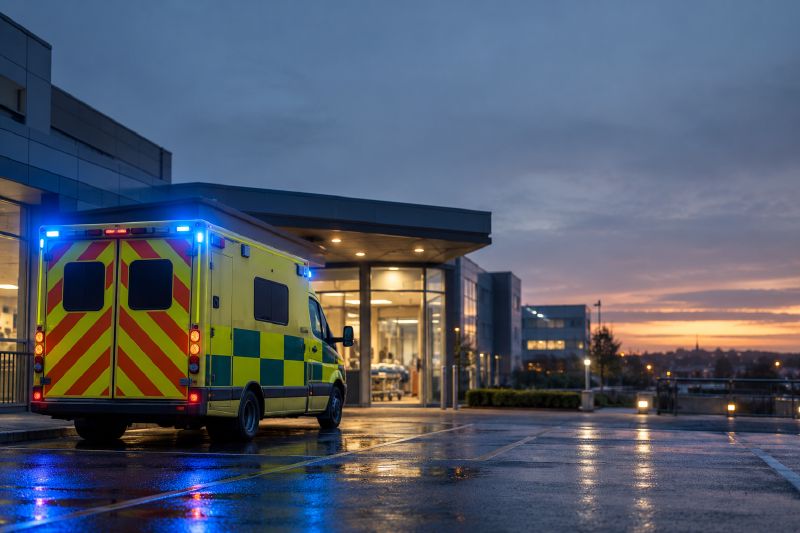
Ambulance services in England sort 999 calls into numbered categories. Category 1 holds the most life-threatening cases. Category 2 accounted for most callouts in one year, nearly five million of them.
What goes in category 2
The BBC lists heart attacks and strokes as category 2 emergencies. Burns and severe headaches sit in the same band, though they may not need so quick a response. The target for reaching a category 2 patient is 18 minutes.
In December of the year the BBC reported on, category 2 responses took more than 90 minutes on average, the worst on record. In January the average fell to 32 minutes, still well over target.
A second look at some calls
NHS England’s answer was a callback. About 40% of the lower-priority calls that call handlers place in category 2 now get a call back from a doctor, nurse or paramedic. That clinician decides whether something other than an ambulance would serve the patient better.
Trials ran in London and across the West Midlands. Nearly half of the callers who got a callback were directed to an urgent treatment clinic, their GP or a pharmacist instead. NHS England then asked the other eight ambulance services in England to adopt the approach.
Prof Julian Redhead of NHS England said nobody would lose their place in the queue while being assessed. Sir Julian Hartley of NHS Providers called the change a welcome step, but tied ambulance pressure to the wider system, including high bed occupancy and delayed discharges.
How the categories hold on a strike day
The categories also decide who still gets a crew when staff walk out. During the ambulance strikes in England and Wales in December 2022, every category 1 call was to get a response. Some trusts agreed exemptions with unions for specific incidents within category 2.
The Guardian warned that heart attack and stroke patients might get an ambulance only if their treatment was judged time critical. Elderly people who fell might wait several hours on the floor.
Delays at hospitals also hold crews back. In October 2022 crews could not respond to almost one in four 999 calls, the most ever, because so many sat outside A&E waiting to hand patients over.