Soldiers tried to remove Niger’s military government on Saturday 29 August 2026, and they failed. It was the latest attempt to unseat General Abdourahamane Tiani, who has run the country since the army seized power in July 2023.
Then came the denials. Nigeria’s minister of state for foreign affairs, Sola Enikanolaiye, issued a statement on Thursday 3 September rejecting social media claims that Nigeria and the Economic Community of West African States had backed the attempt. He called those claims baseless and irresponsible, and said Nigeria would never support an unconstitutional change of government, “no matter who is involved or which country it happens in.” Nigeria wants “peace, security, democracy and development” for Niger and the Sahel, he said.
Why Nigeria felt the need to deny anything
Because it has history there. When soldiers removed President Mohamed Bazoum in July 2023, Nigeria’s Bola Tinubu chaired ECOWAS and led the regional bloc’s answer to the takeover. ECOWAS demanded Bazoum’s release and restoration, and it closed borders, restricted Niger’s finances and suspended electricity supplies.
None of that brought civilian rule back. Three years on, Bazoum remains out of office, the military still governs, and Niger has left ECOWAS alongside Mali and Burkina Faso, all three quitting the 15-country bloc in January 2024. Niger’s junta has also moved away from France and other Western partners and closer to Russia.
The economy the mutineers were shooting at
Oil, mostly. The World Bank puts Niger’s economic growth in 2025 at 6.5%, driven by an oil sector whose output reached 28 million barrels over the year. Growth should average 6.7% across 2026 and 2027 as production climbs towards a ceiling of 106,000 barrels a day. Inflation fell from 9.1% in 2024 to an estimated 4.2% in 2025.
Poverty is easing alongside it. The World Bank expects Niger’s extreme poverty rate to fall from 52.9% in 2024 to 50.1% the following year, moving roughly 310,000 people above the poverty line. A further 440,000 should follow suit by 2027, taking the rate down to 45.6%. The state’s own finances stay fragile even so. A debt review from January 2025 rated Niger at high risk of overall distress. Public spending only loosens after the middle of 2026, when the last payment on a $400 million oil-backed loan hands 80% of oil revenue back to the budget.
What the growth does not reach
Insecurity, for one. The World Bank reports continuing attacks around Tillabéri and in the Lake Chad Basin, and says armed groups in the Dosso region sabotage the pipeline, kidnap people and run extortion against civilians there. The border with Benin also stays shut, which keeps trade and formal transit broken. President Tiani set up a Consultative Council for Refoundation in May 2025, an advisory body meant to guide what his government calls the country’s “refoundation” process.
A country used to this
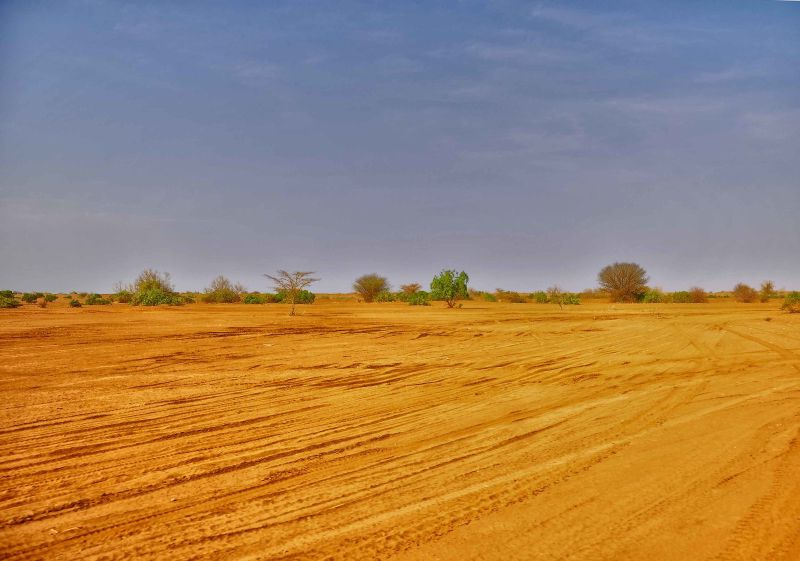
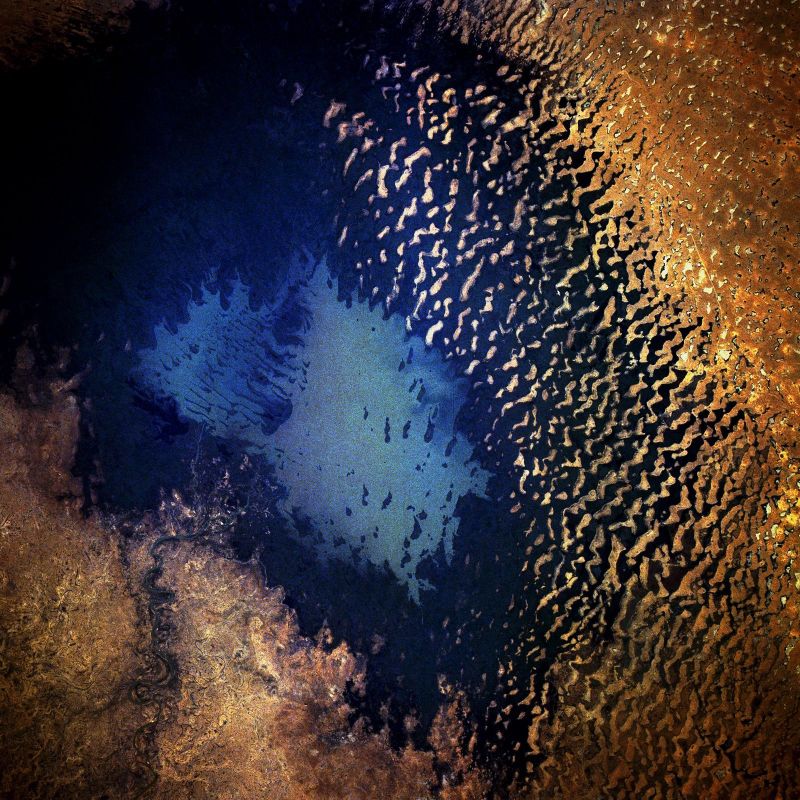
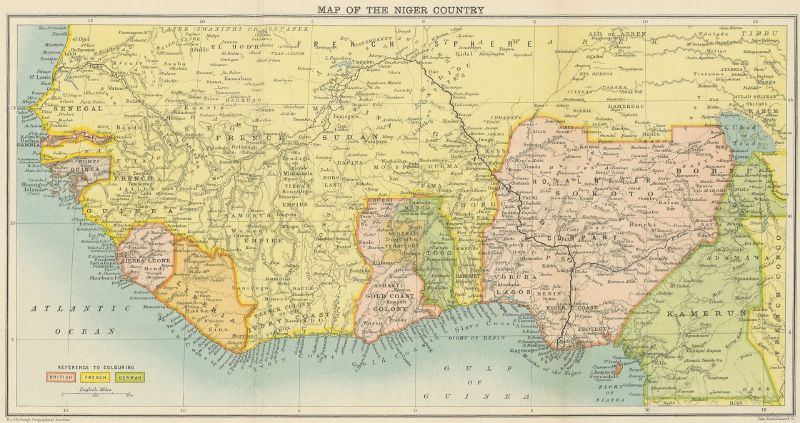
Niger has been through five coups and four spells of military rule since independence in 1960. Drought and corruption allegations brought down the country’s first president, Hamani Diori, in an army takeover in 1974. France had made Niger a colony in 1922, and independence followed on 3 August 1960. It remains the largest country in West Africa by land area, at almost 1.27 million square kilometres, more than 80% of it Sahara.
The army found a large stock of weapons at Base 101, where the mutiny began. What happens next to the soldiers involved is the next question.