IndieWire reports that nitrate film resembles guncotton and burns even underwater.
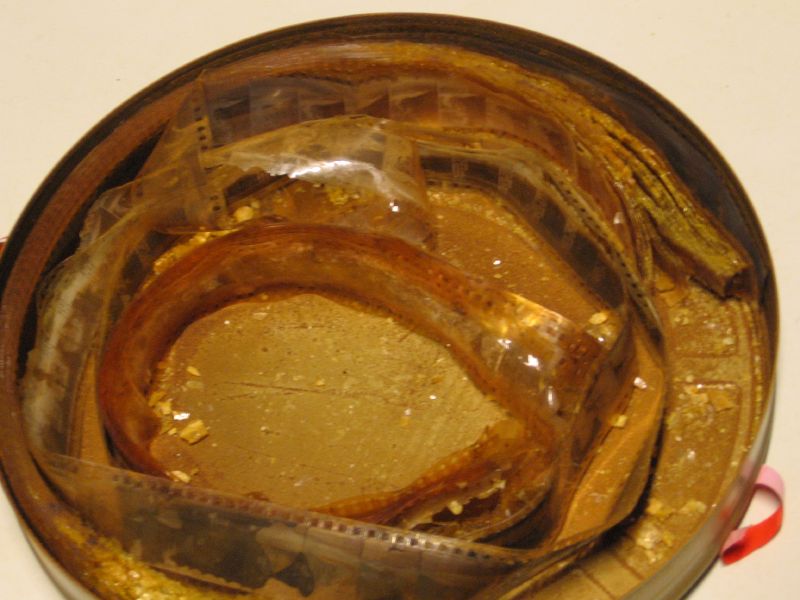
more
Kodak discontinued nitrate stock in 1952. Many classic prints then spent decades in vaults.
Why a projector is the worst place for it
Showing a nitrate print puts the film in a hard spot. It runs through the projector at 24 frames per second, inches from a red-hot 6,000-watt bulb, and rough handling can lead to disaster.
Jared Case, curator of film exhibitions at the George Eastman Museum, says the care is a lot of work. The museum’s chief projectionist checks for rough edges and secure splices so nothing comes apart in front of the lights.
What a safe booth looks like
In 2019 only four US locations were equipped to project nitrate. They were the Egyptian Theatre in Hollywood, the James Bridges Theater at UCLA, the Stanford Theatre in Palo Alto, and the Eastman Museum in New York.
The Egyptian’s largest booth needed a fireproof retrofit. The booth is fully enclosed, with a giant steel door. Fire chambers ring the reels that feed and receive the film, and extinguishers sit inside the projector. The reels wait in a separate fireproof room.
A shortage of vault space
Pro-Tek Vaults has opened a nitrate facility in the greater Los Angeles area. It has 24 vaults, with room for more than 36,000 reels. It was developed to meet federal, state and local safety standards for hazardous materials, including NFPA 40 requirements for nitrate film.
The American Society of Cinematographers calls it the first new nitrate-storage facility in over ten years. It is among only a few such sites in the country. It says such storage is expensive to build and maintain.
Doug Sylvester, Pro-Tek’s chief executive, says the industry has operated with a shortage of nitrate-storage capacity for years.