The Svalbard Treaty split ownership from access. Signed in Paris in 1920, it recognises Norway’s sovereignty over the Arctic archipelago. In the same text it guarantees citizens of the other signatory states the right to exploit Svalbard’s natural resources “on a perfectly equal footing”. Euronews counts 46 such states besides Norway, Russia among them.
The result is a territory that, in Foreign Policy’s words, is run by one country, lived in by people from many and defended by no armed forces at all.
Why a treaty was needed
For centuries the islands belonged to nobody in particular. The Dutch explorer Willem Barentsz named them Spitsbergen in the sixteenth century, according to the Center for Strategic and International Studies (CSIS). Talks on how to run them opened only in the early twentieth century, once prospectors found promising coal and opened mines. CSIS adds that Norway wanted the territory’s status settled after its union with Sweden dissolved in 1905.
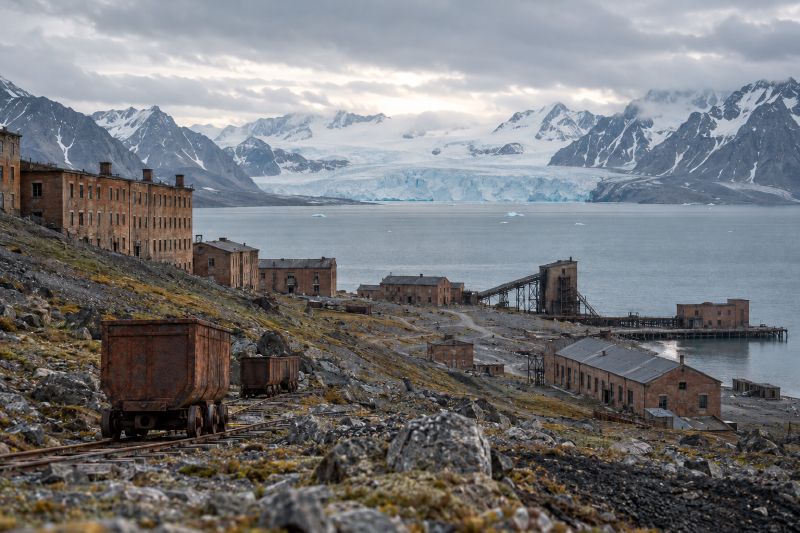
Swedes found coal at Pyramiden in 1910, at a time when most of Norway’s Arctic neighbours treated Spitsbergen as international ground. Norway renamed the archipelago Svalbard in 1925, and Spitsbergen is now the name of its largest island.
What “open to all” means in practice
The BBC quotes the treaty’s promise directly. Citizens and companies of every treaty nation may live on Svalbard and may fish, hunt, mine or trade there. Norway still holds “full and absolute sovereignty”, the phrase CSIS quotes from the treaty. The CSIS authors call claims that Svalbard is a “shared space” a misconception.
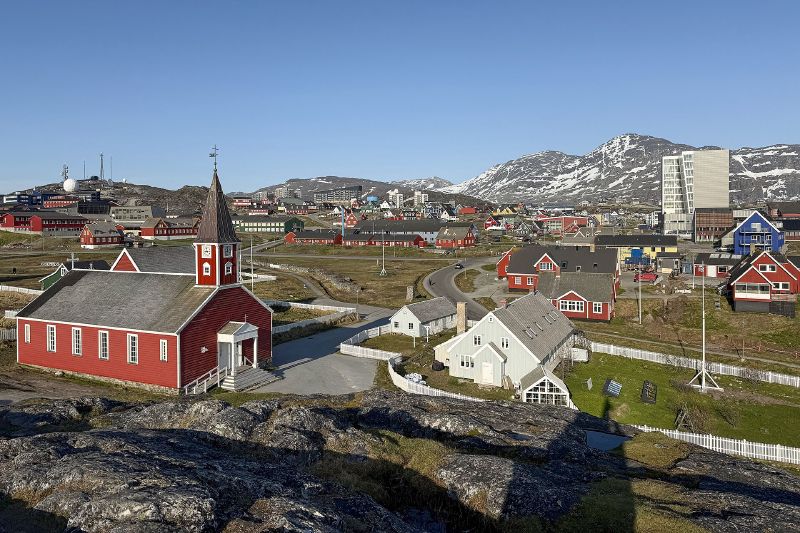
The open door let foreign states put down roots. China joined the treaty in 1925, and the Soviet Union followed ten years later, according to Foreign Policy. Sweden sold Pyramiden to the Soviet Union in 1927, and it became one of two Russian mining towns on Spitsbergen. The other, Barentsburg, is still Svalbard’s second-largest town, with 455 residents.
Russia still mines coal there through the state company Trust Arktikugol, The Guardian reports. Pyramiden itself held 2,500 people in the 1950s. Its mines closed in 1998 and the town emptied.
Where the arrangement now rubs
Equal access to resources does not mean Norway lets anyone do anything. Oslo called off the sale of Sore Fagerfjord, the last privately owned land on Svalbard, after Chinese buyers showed interest. The trade minister, Cecilie Myrseth, said such a sale could “disturb stability in the region”. The government had paid €33.5m in 2016 for the second-last private plot, near Longyearbyen.
Russia has accused Norway of breaking the treaty. Moscow says Norway held back 20 tonnes of goods bound for Russian miners on the islands, applying EU sanctions. Konstantin Kossachev, deputy chairman of Russia’s Federation Council, called that a violation of the Treaty of Paris.
CSIS sees the real dispute elsewhere. It concerns the legal status of the sea zones around the islands, not Norway’s sovereignty over the land. Those waters matter because Svalbard sits near the route out of the Kola Peninsula, home to Russia’s Northern Fleet. CSIS calls Svalbard a potential geopolitical flash point.