Ransomware: the four checks before a company pays
The National Cyber Security Centre says the choice to pay is the victim's. Payment buys no certainty, as attackers can still sell the data.
A world in motion.
A moment to understand it.
The complete edition. Fresh thinking from across our world.
The National Cyber Security Centre says the choice to pay is the victim's. Payment buys no certainty, as attackers can still sell the data.
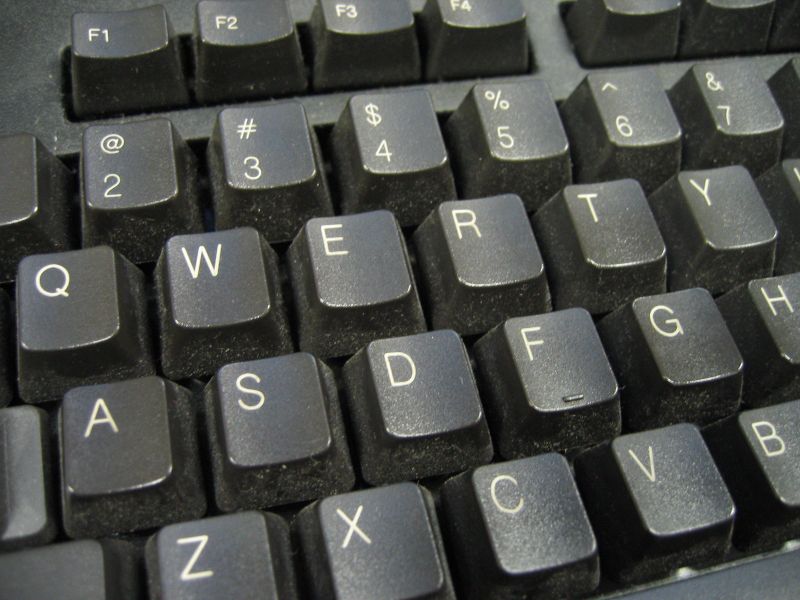
The usual story says QWERTY stopped typebars jamming. A 2011 Kyoto University paper traces the layout to the needs of telegraph operators.
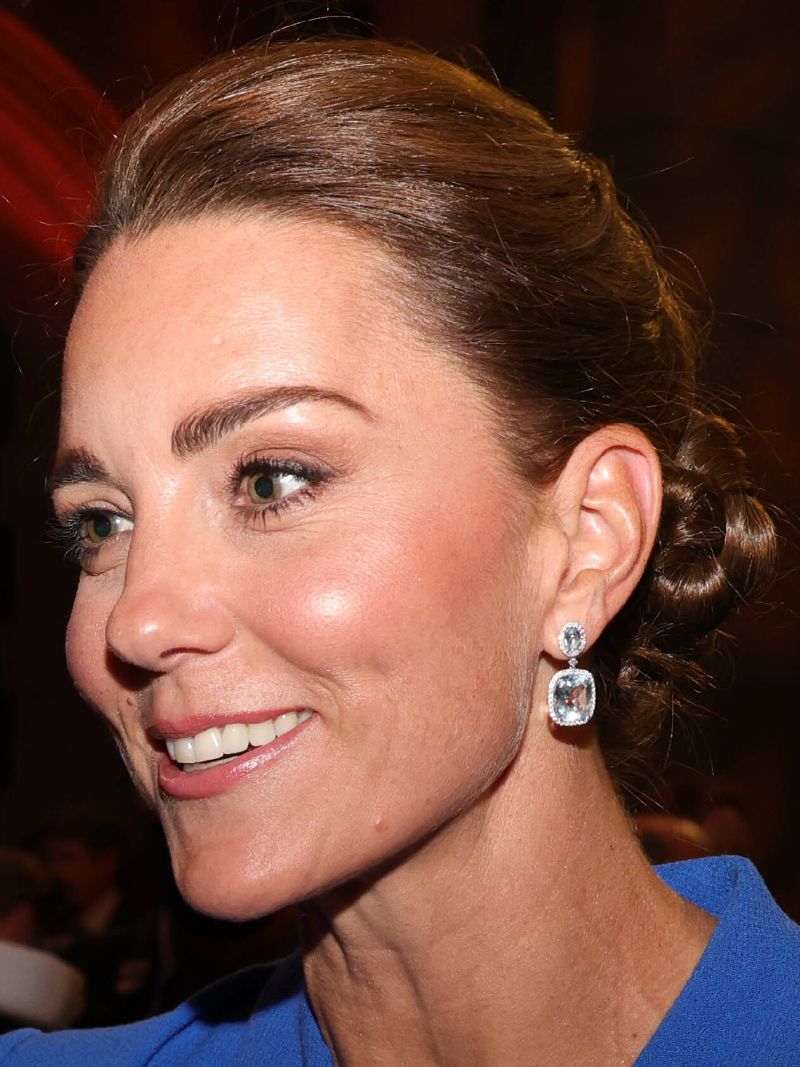
Catherine, Princess of Wales, is the first royal to finish the UK's Three Peaks Challenge. She raised money for the Royal Marsden, which treated her.
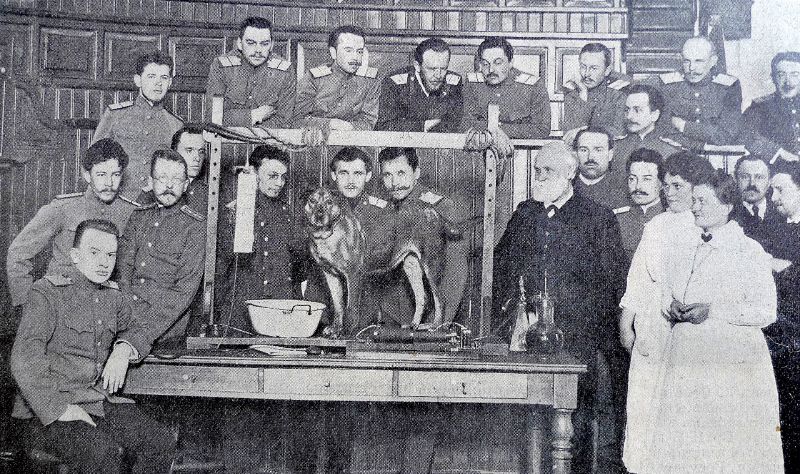
Ivan Pavlov's drooling dogs showed that one event can come to signal another. The same learning shapes human fears, likes and loyalties.
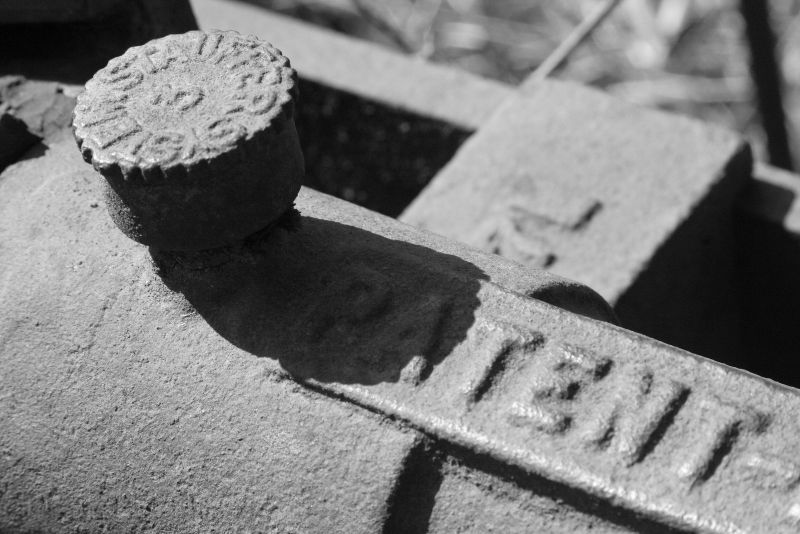
A patent troll buys patents it never uses, then threatens costly lawsuits until targets pay. IP Nav says its fees topped $700m.
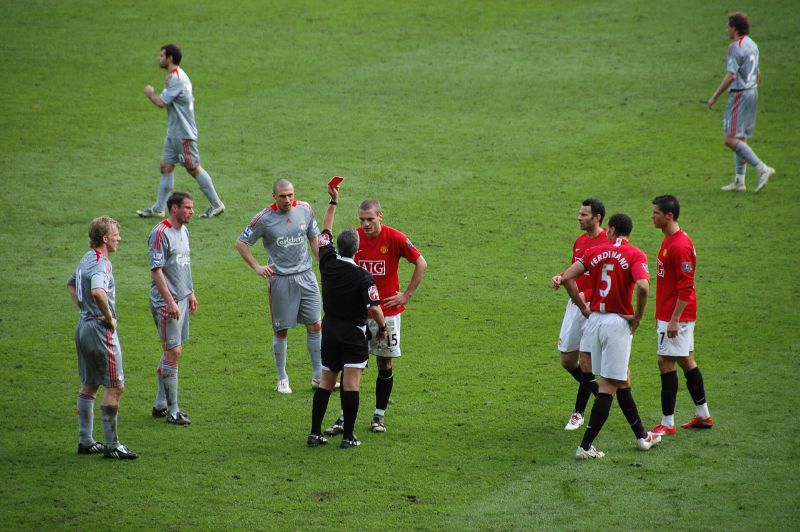
A red card sends a player off and brings an automatic one-game ban. At the 2026 World Cup that ban could not be appealed, only made longer.
On Instagram, Restrict hides a person's comments from others and moves their messages to requests. They stop seeing when you are online and are never told.
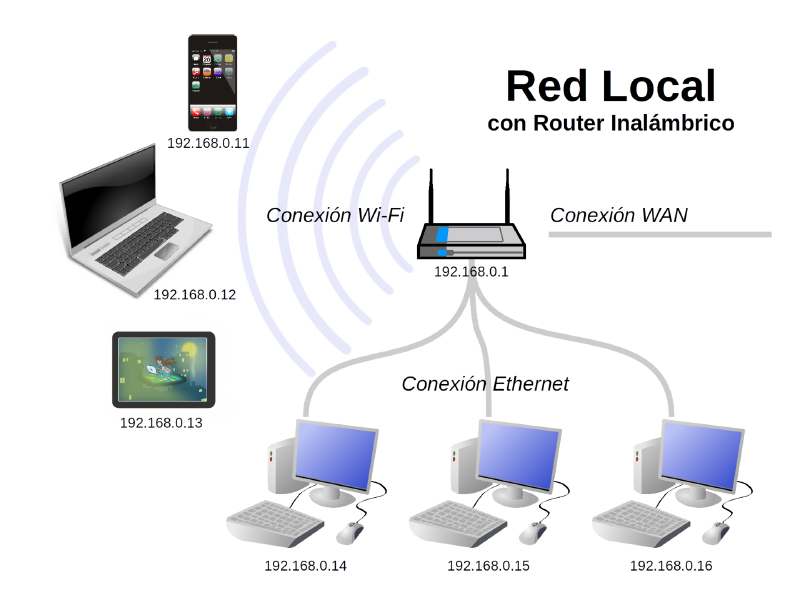
An IP address identifies your device to every site you visit, and reveals your provider and a rough location, never an exact one.
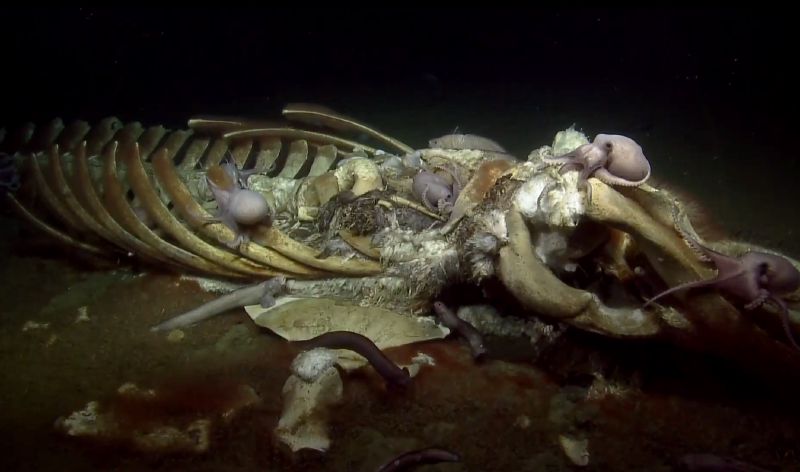
Sharks, hagfish and bone-eating worms work through a sunken whale for 30 years or more. A stranded one can explode before anyone moves it.
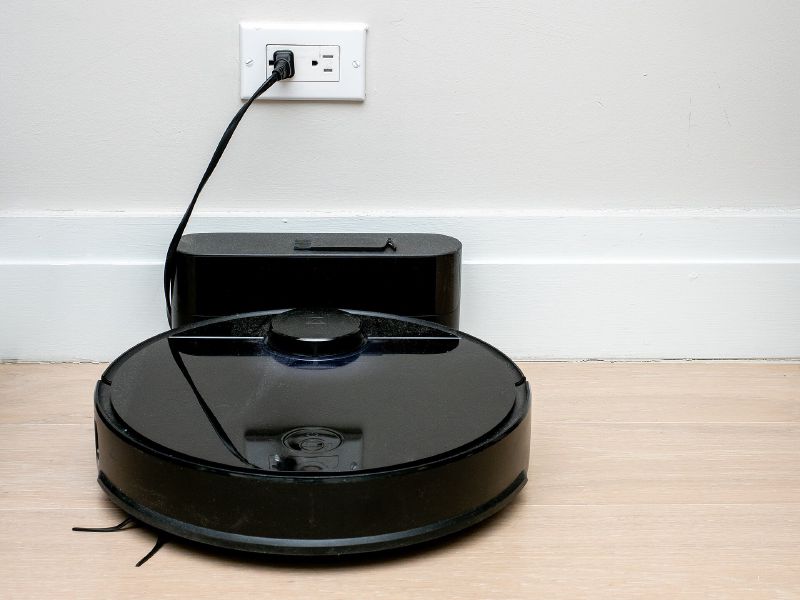
Robot vacuums tend to stall on the same few things: loose cables, raised rug edges, thick carpet and dirty sensors. Better navigation helps, but only so far.
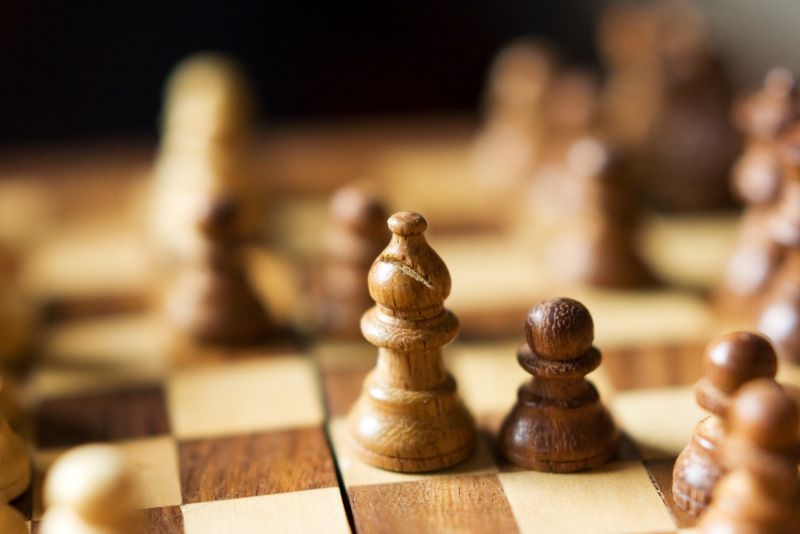
Grandmasters recall real chess positions at a glance because they store patterns, not pieces. Scramble the board and the advantage all but vanishes.
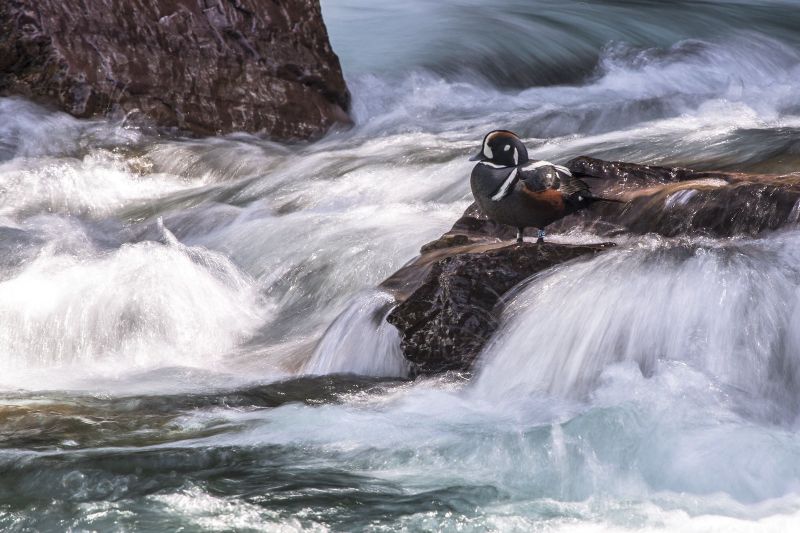
A duck's feet run close to the temperature of the ice. Blood vessels in its legs swap heat, so the body stays warm and the feet never freeze solid.
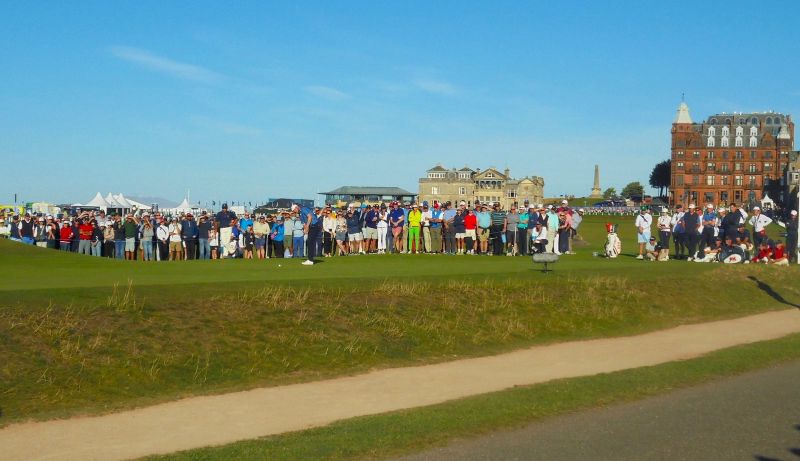
Great Britain and Ireland lost the Sunday foursomes 4-0 at Lahinch, then beat the USA 13½-12½ to win their first Walker Cup since 2015.
DE&S accepted the UK's 48th and last first-batch F-35B in March, but the next order waits on a delayed Defence Investment Plan.
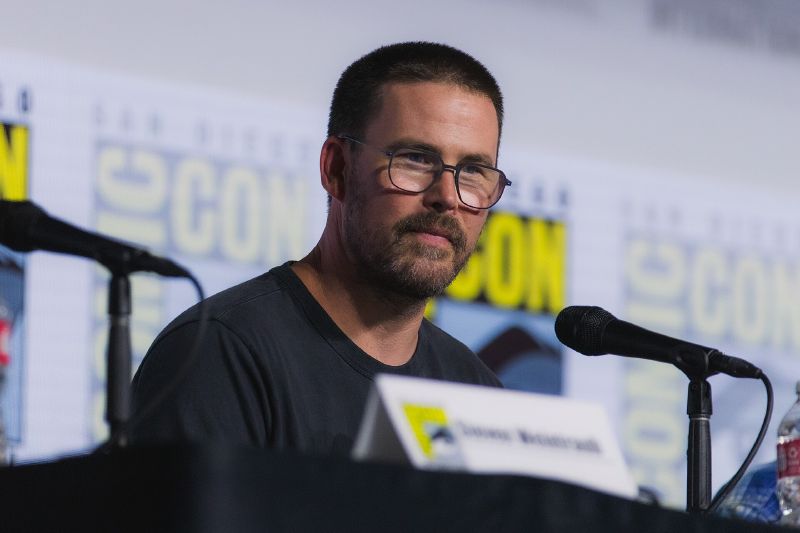
Zach Cregger sold the horror script for Weapons in an afternoon. The film then opened more than $10 million ahead of expectations.
NOAA is weighing a bid from The Metals Company USA to mine seabed nodules beyond US waters. No company has ever held such a US recovery permit.
Russell Howard and his wife, NHS doctor Cerys Morgan, set up the Felix Foundation for bereaved families. A comedy gala at the O2 on 8 February launches it.
A CIPD survey of more than 2,000 employers finds one in six expect AI to shrink their workforce next year, against 6% who expect it to grow.
Most eyelid twitches are harmless muscle spasms linked to short sleep, caffeine, and stress, say the Cleveland Clinic and the National Eye Institute.
A Harvard Law School centre reports AI cutting junior legal roles, yet the US Bureau of Labor Statistics still forecasts 4% growth in lawyer jobs.
A film tax credit refunds a slice of what a production spends, often about 20%. That refund can decide where a film is made, and places without one lose out.
The Canada Strong Fund and Britain's National Wealth Fund run on borrowed money, where Norway's runs on oil. Critics call Canada's a costly bet.
End-to-end encryption stops a provider reading your words, but it still knows who messaged whom, when, and how the chat moved.
A National Bureau of Economic Research paper says losing reserve status would cut the dollar's value 8.8% and lift US real interest rates 0.9 points.