The world's longest-running whale hunt still feeds the Faroes
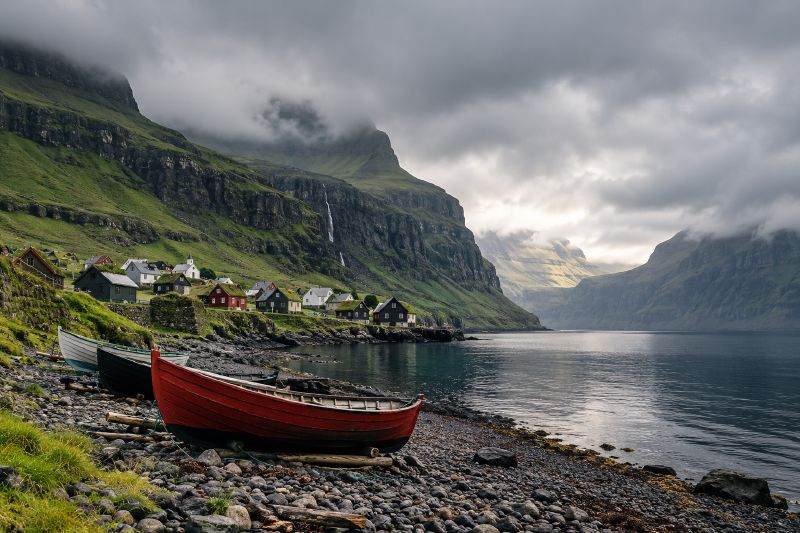
The Faroese defend the grind as food, shared free and taken from a large population. Critics point to mercury, missing foetuses and a hunt with no quota.
A world in motion.
A moment to understand it.
The complete edition. Fresh thinking from across our world.
The Faroese defend the grind as food, shared free and taken from a large population. Critics point to mercury, missing foetuses and a hunt with no quota.
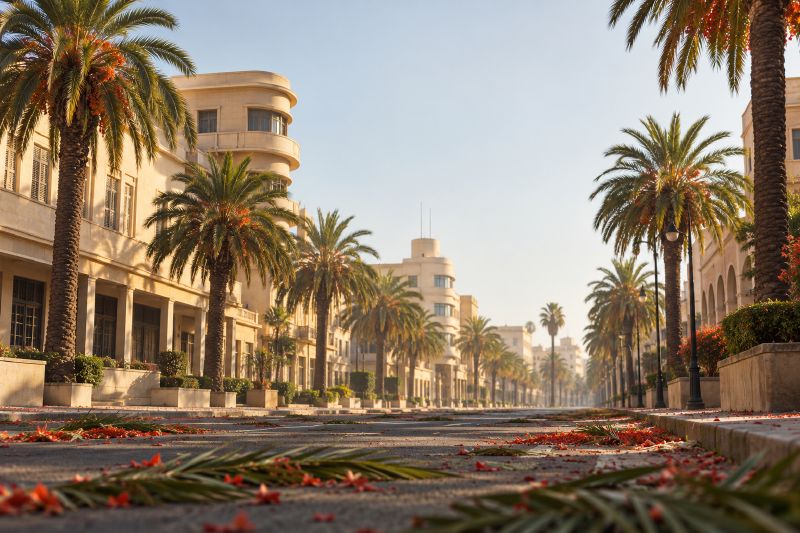
Eritrea's 30-year war with Ethiopia ended when rebel fighters marched into Asmara on 24 May 1991. A UN-supervised referendum in 1993 made independence formal.
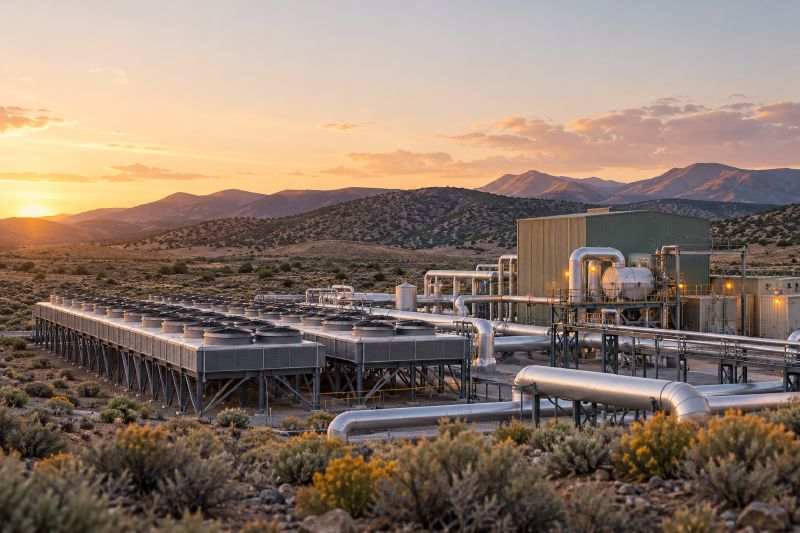
A binary-cycle geothermal plant hands hot water's heat to a fluid with a low boiling point. Its vapour spins the turbine, so cooler reservoirs make power.
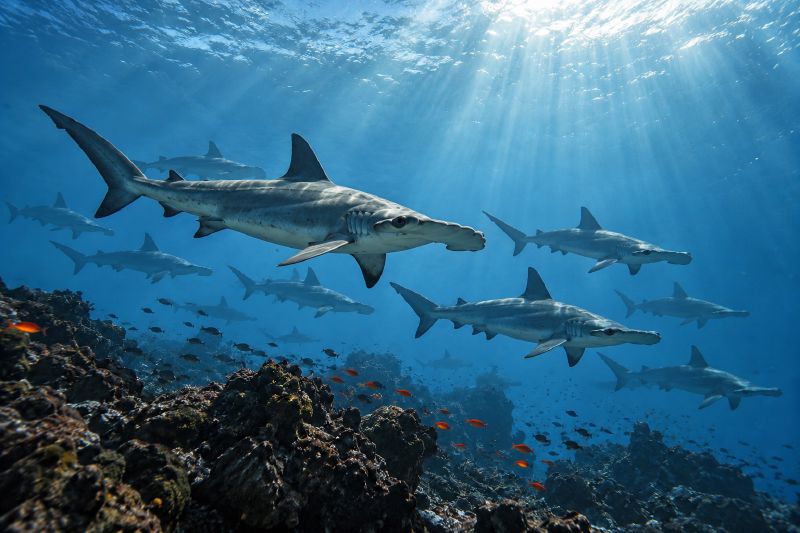
Ecuador added 60,000 sq km to the Galápagos Marine Reserve to protect a migration route to Costa Rica's Cocos Island, and to push back fishing at the edge.
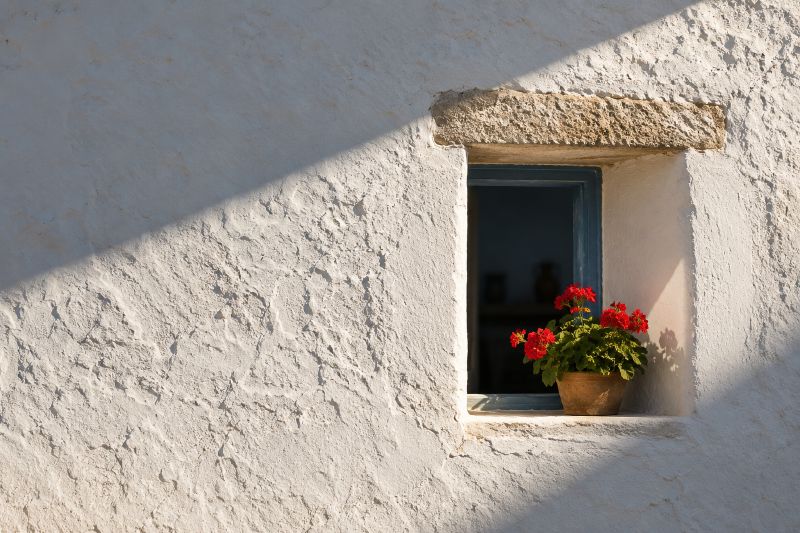
Sunlight through glass is usually a home's main summer heat source, says the Passivhaus Trust. Some architects now answer with heavy walls and deep windows.
The 1987 Montreal Protocol cut the chlorine reaching the stratosphere and put the ozone layer on course to heal by mid-century, by UN assessment.
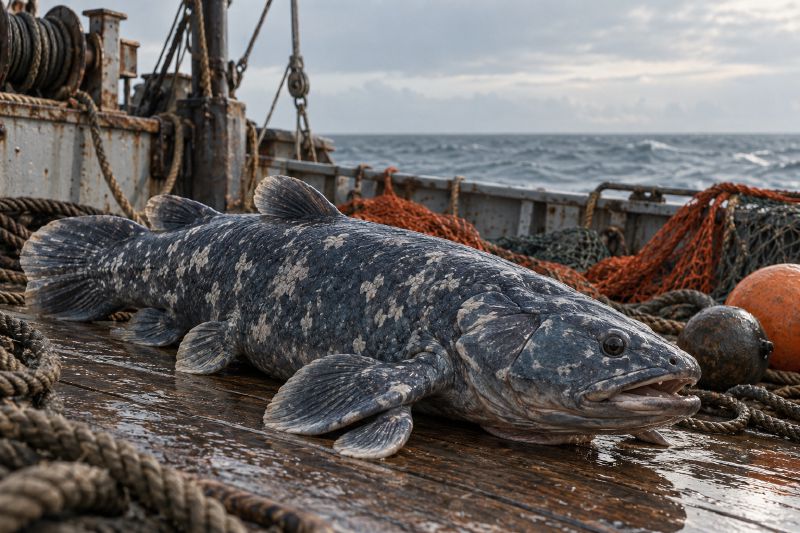
In 1938 a South African museum curator found a coelacanth on a fishing trawler. Textbooks said the fish had died out with the dinosaurs.
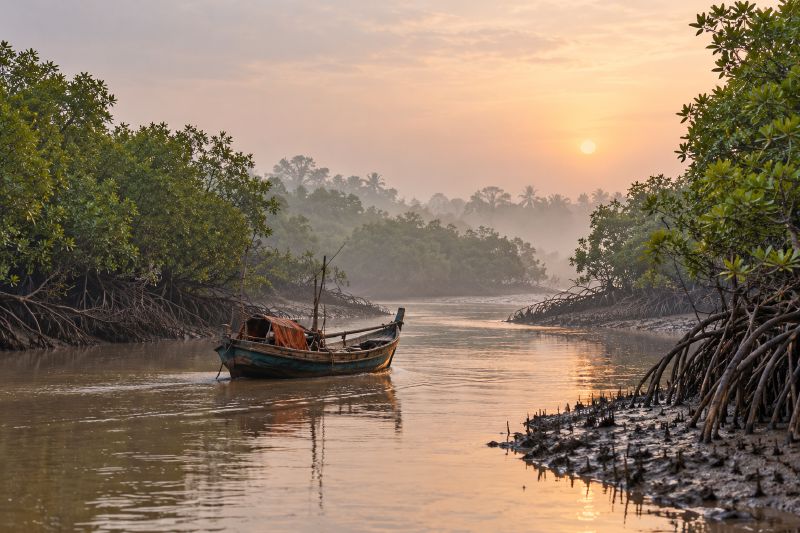
The Sundarbans shields millions of people in Bangladesh from cyclones and storm surges. Rising seas are swallowing parts of it, and salt adds strain.
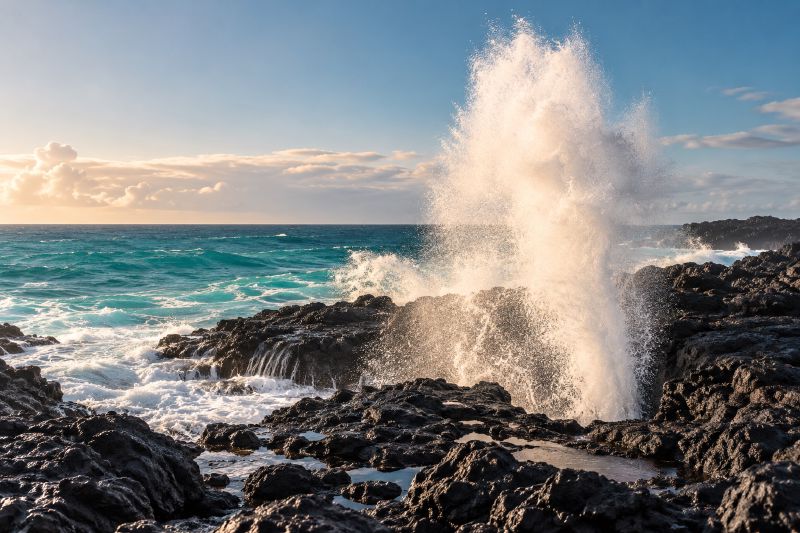
An oscillating water column uses rising and falling waves to pump air through a turbine. A University of Hawaii design copies a blowhole on Oahu.
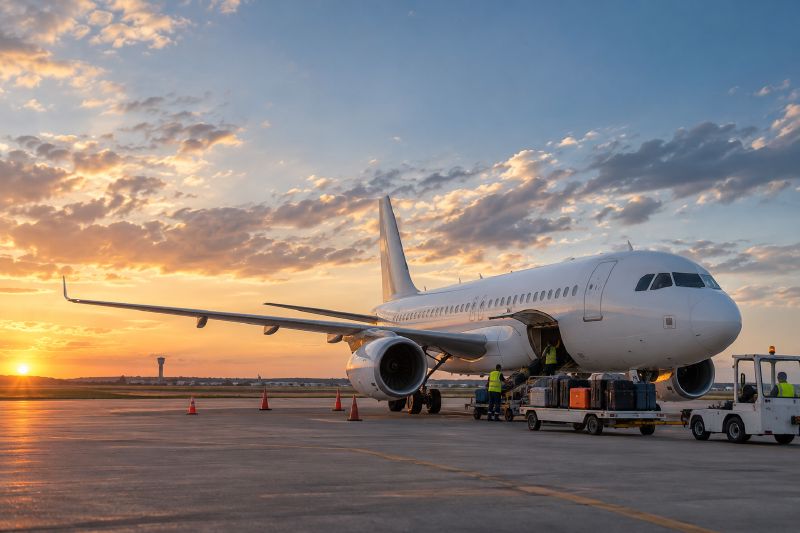
Herb Kelleher's Southwest Airlines flew one plane type, skipped seat numbers and turned jets round fast. Ryanair and easyJet copied the model.
From 1559 to 1966 the Catholic Church's Index of Forbidden Books barred Luther, vernacular Bibles, the Talmud and, in 1827, Kant's Critique of Pure Reason.
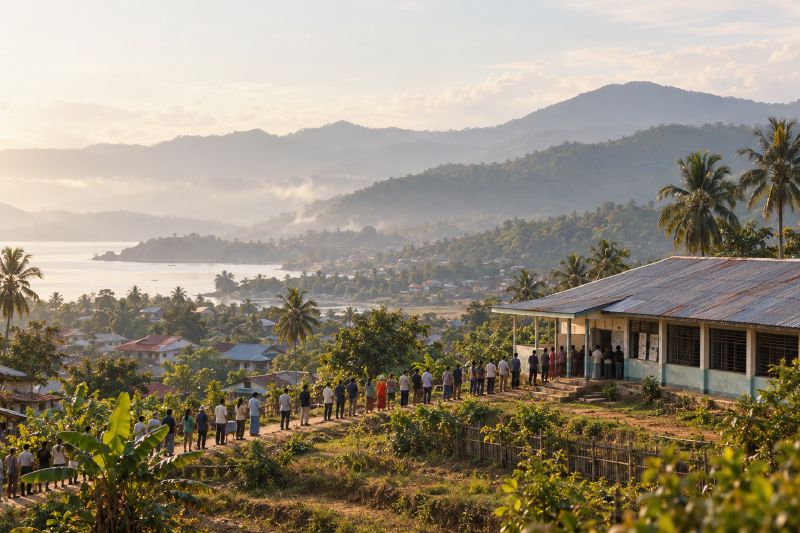
East Timor's 1999 UN ballot asked about autonomy within Indonesia, yet everyone read it as an independence vote. Violence followed, then a UN mission.
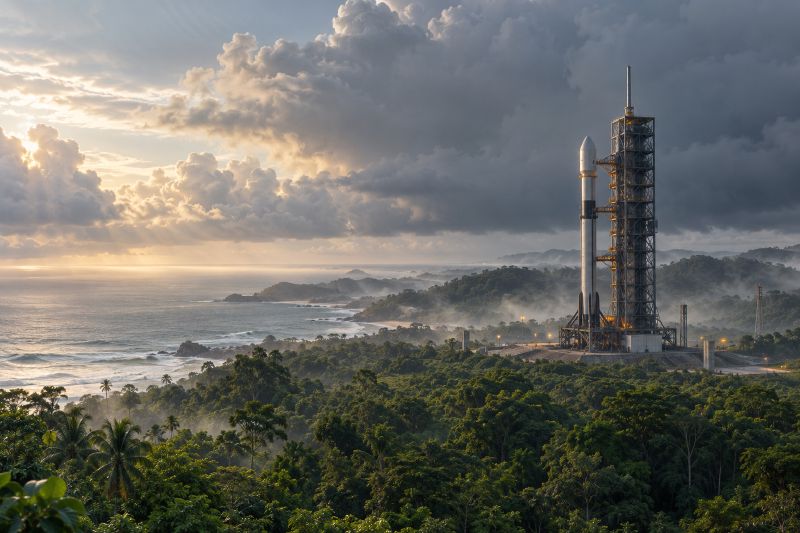
France picked Kourou in French Guiana in 1964 from 14 sites. Near the equator, rockets gain 460 metres a second from Earth's spin, and the sea is downrange.
When the US quit the TPP in 2017, the other 11 signatories kept most of the text, parked 22 US-backed clauses and signed the CPTPP in Santiago in 2018.
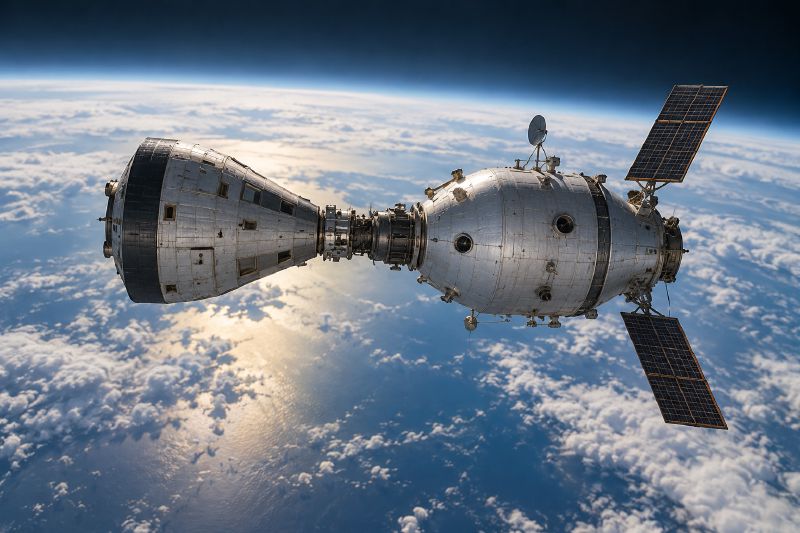
On July 17, 1975, an American Apollo and a Soviet Soyuz docked in orbit. Years of thawing relations, language lessons and a shared hatch made it happen.
Your phone never talks to a GPS satellite. It times radio signals from four of them, and the FAA says that fixes you to within about 7 metres.
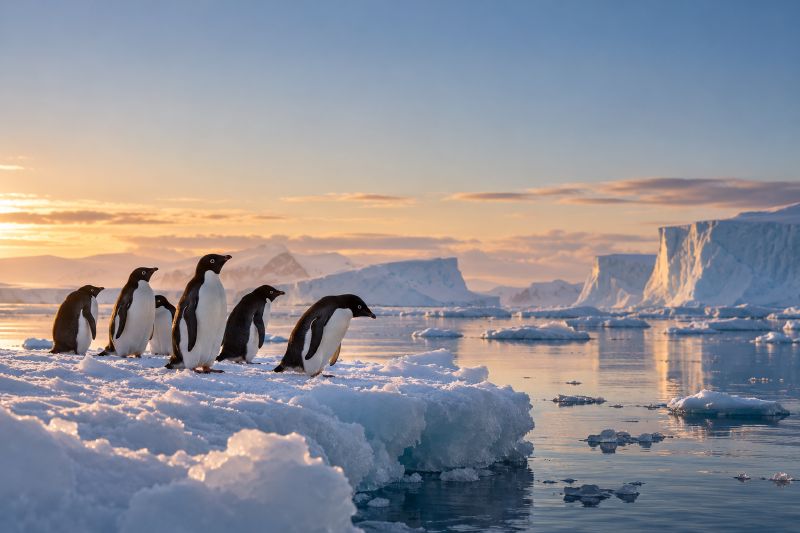
The Ross Sea off Antarctica became the world's largest marine protected area in 2016, after years in which China and then Russia held out against a deal.
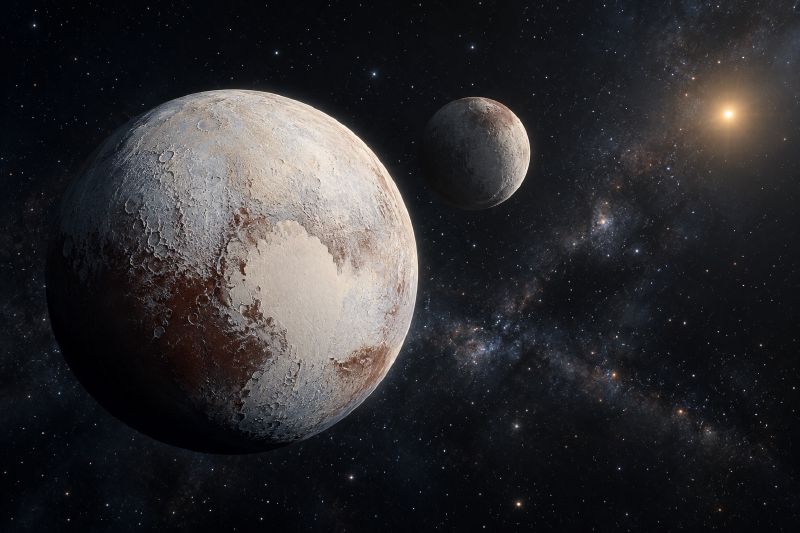
On August 24, 2006, astronomers in Prague voted on a definition of a planet. Pluto passed two of its three tests and became a dwarf planet.
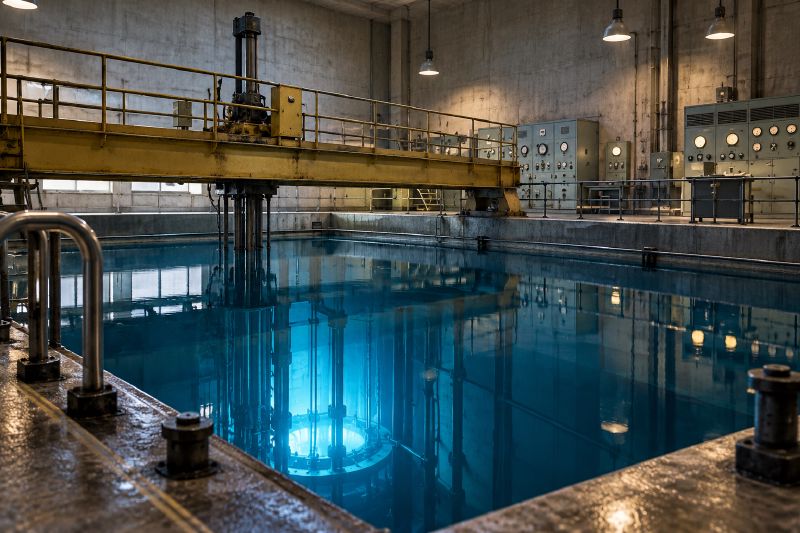
Eisenhower's 1953 Atoms for Peace speech called for an international atomic agency, set up in 1957. His reactor-sharing programme also gave Iran its start.
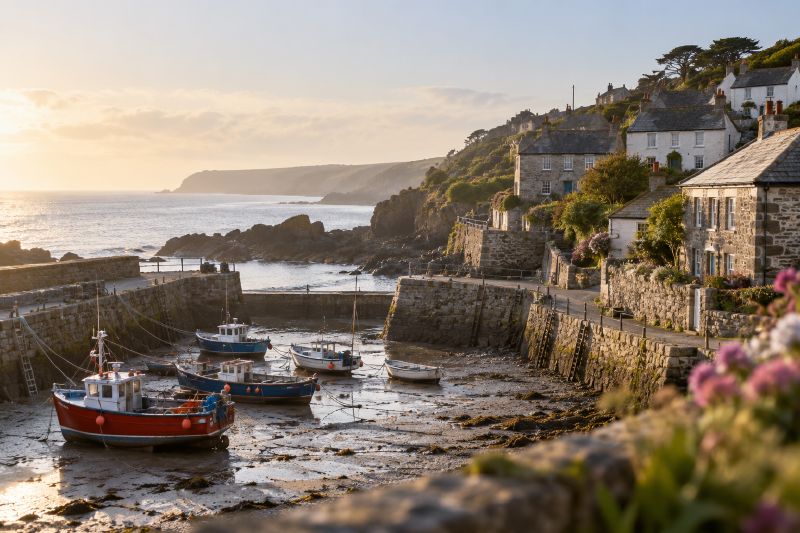
Cornish had shrunk to a handful of speakers by the 1700s. A 1904 handbook began its revival, and it now has official UK backing under a European charter.
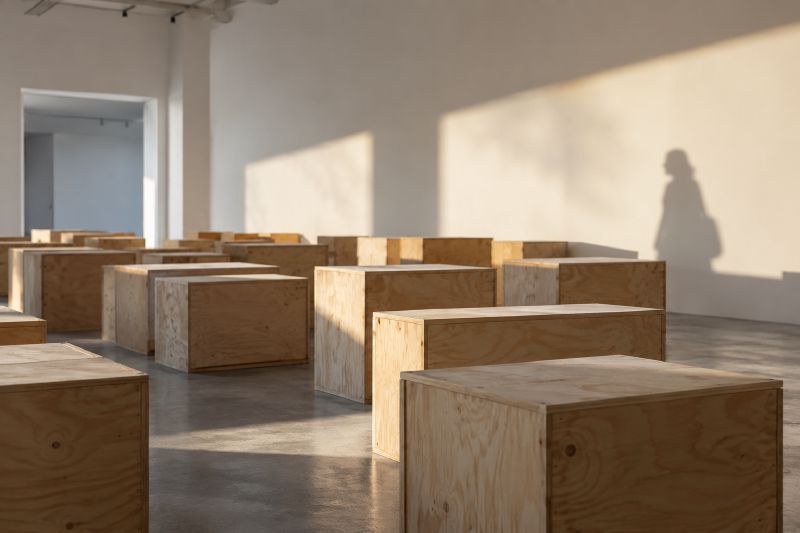
In 1964 Arthur Danto saw Warhol's Brillo boxes and could not tell them from the real thing. He concluded that art's story, though not art, had ended.
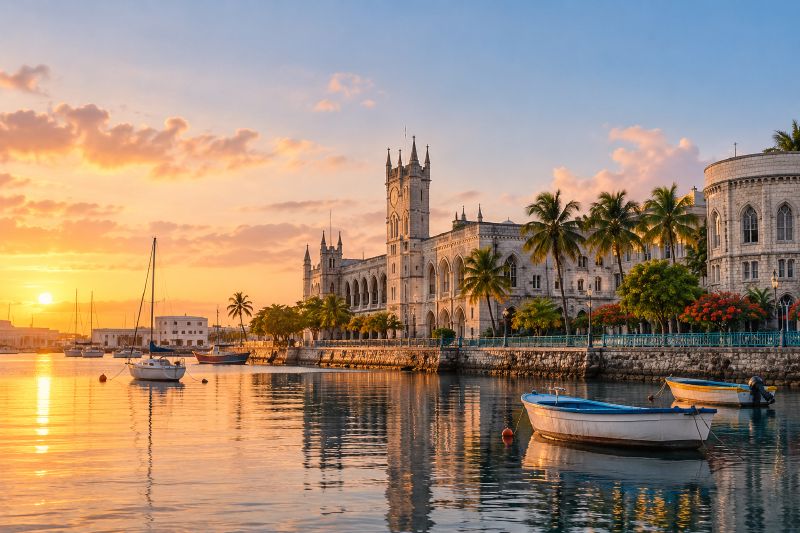
On November 30, 2021, 55 years after independence, Barbados swore in Sandra Mason as president and removed Elizabeth II as head of state.
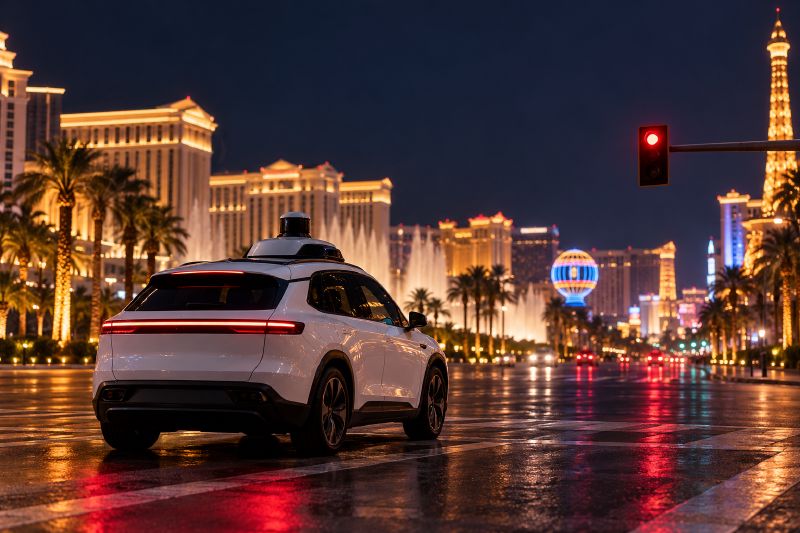
The first trial's shuttle crashed within two hours of its 2017 debut. Police cited the lorry driver, not the shuttle, for the crash.
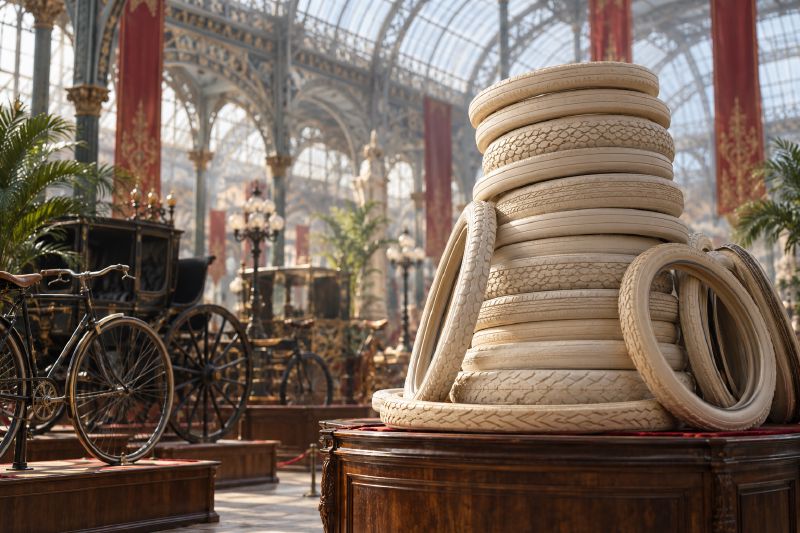
Bibendum, the Michelin Man, was first drawn in 1898 after a stack of tyres caught a Michelin brother's eye. He began as a cigar-chomping drinker.