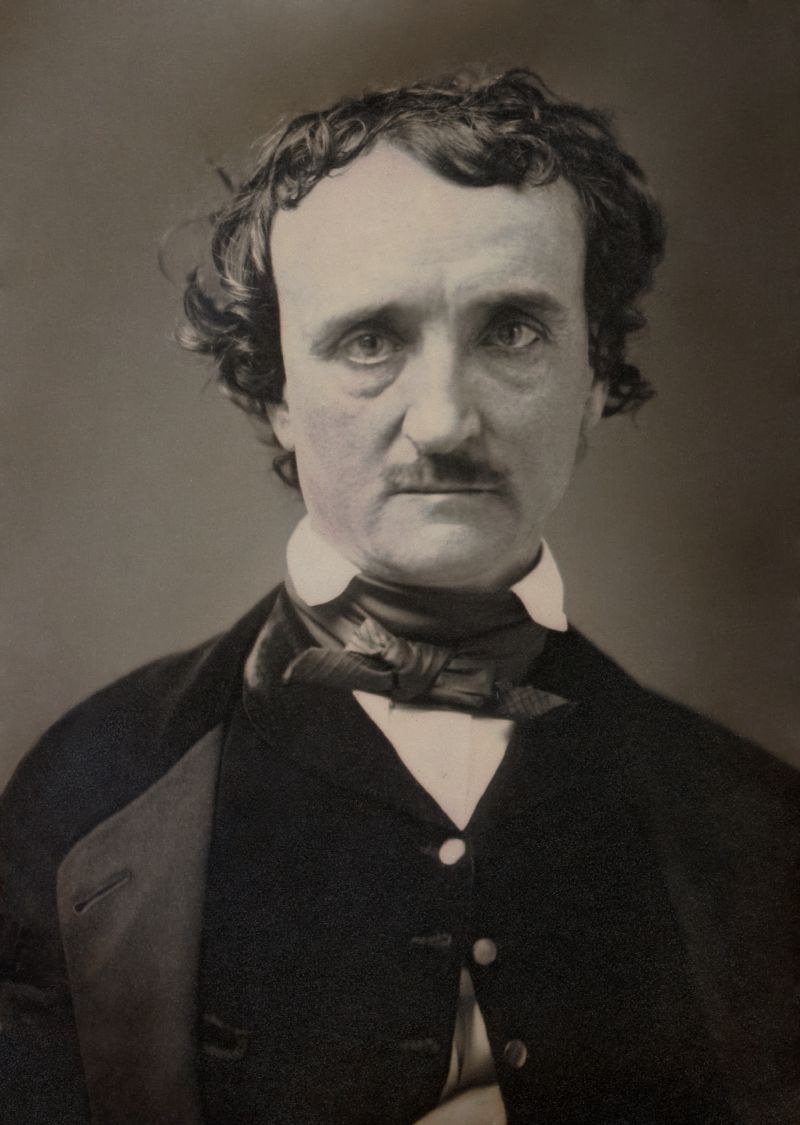
Edgar Allan Poe took the stock scenes of a tired genre and moved the terror inside the mind. His settings often read as places in the head rather than places on a map.
more
Poe began writing stories in earnest in the early 1830s. The gothic was then the most popular genre in the periodicals of the day, and The Guardian’s survey calls it “distinctly hackneyed” in artistic terms.
What did he do with a worn-out genre?
Critics of his first collection, Tales of the Grotesque and Arabesque (1840), charged him with “Germanism”. Poe answered in the preface that “terror is not of Germany, but of the soul”.
The Guardian argues that this is why the stories last. Live burial, the doppelgänger and possession were stock scenarios, yet Poe tapped deeper wells of horror than most gothic authors did.
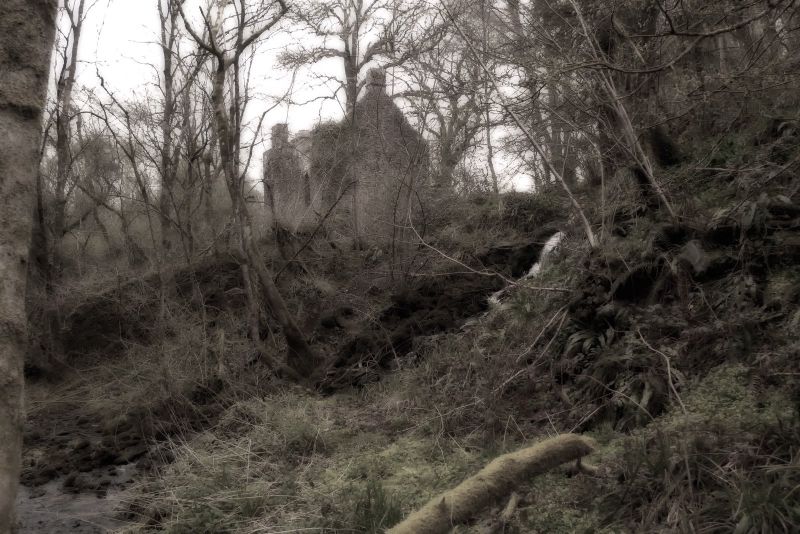
Buildings do much of the work. In The Fall of the House of Usher (1839), a rotting mansion has a crack running through it. The Usher twins, Roderick and Madeline, are two halves of a divided self that falls apart once separated.
In William Wilson (1839), the narrator’s school has “no end to its windings”. The Guardian reads the two boys as the competing natures of a single psyche, and a corrupt man haunted by a vision of his better self.
Who read him that way first?
Marie Bonaparte published a Freudian study of Poe in 1934. Since then his work has often been treated as proto-psychological.
Poe also wrote the Dupin stories. The Guardian says The Murders in the Rue Morgue, The Mystery of Marie Rogêt and The Purloined Letter set the template that Arthur Conan Doyle and Agatha Christie later used.
The BBC World Service programme The Forum makes a matching point. It describes Poe as a 19th century American writer whose tales have inspired generations of horror and mystery writers.
Who carried it on?
The Guardian lists horror specialists such as HP Lovecraft and Stephen King among the writers who bear his influence. It adds Dostoevsky, Baudelaire, Edith Wharton, Faulkner and Borges.
Not everyone admired him. The critic Harold Bloom called Poe an author who writes “so abominably”, and yet one “destined to go on being canonical”.
The Guardian says his influence cannot be escaped.