A high tunnel, a type of polytunnel used on US farms, can add weeks to the growing year at both ends. Penn State Extension, writing for growers in Pennsylvania and the north-eastern US, says they can lengthen the season by as much as eight weeks before the field season starts. The same source says the tunnel can also stretch the season for up to six weeks after the first outdoor frost.
What the skin is made of
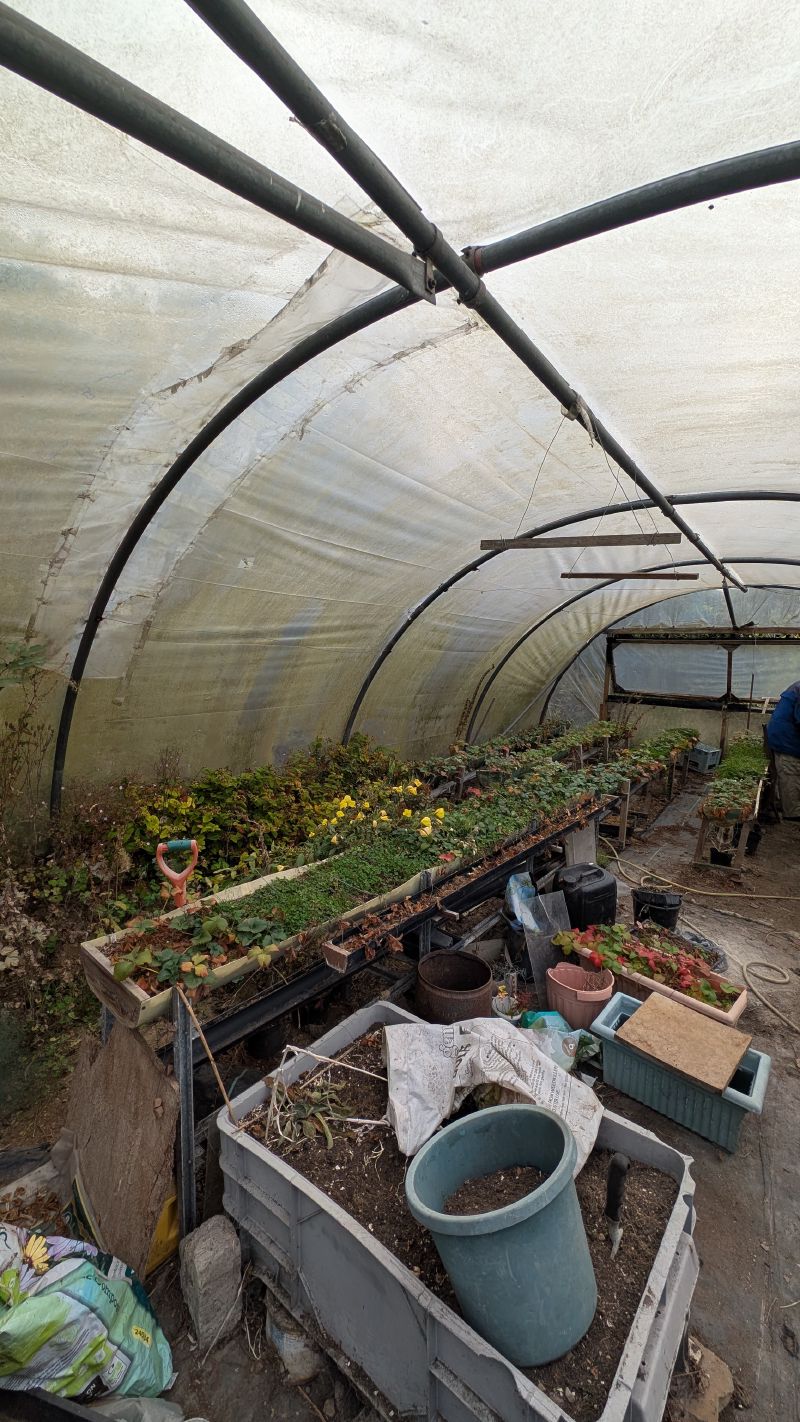
A high tunnel usually wears one layer of greenhouse-grade polyethylene film, rated at six mil. A standard greenhouse uses two layers with air inflated between them. A tunnel also tends to have removable ends, so equipment can reach the soil and the planting beds.
more
Tunnels differ from greenhouses in how much they control. Some rely on passive ventilation, such as rolling up the sides, rather than fans. Others use computers to run roll-up sides, gable fans and heaters.
Penn State names two common shapes. The Quonset is a semicircle and the Gothic has a peaked roof. The Quonset can collapse under heavy, wet snow, while the peak lets snow slide off.
How early can you plant, and what does it buy?
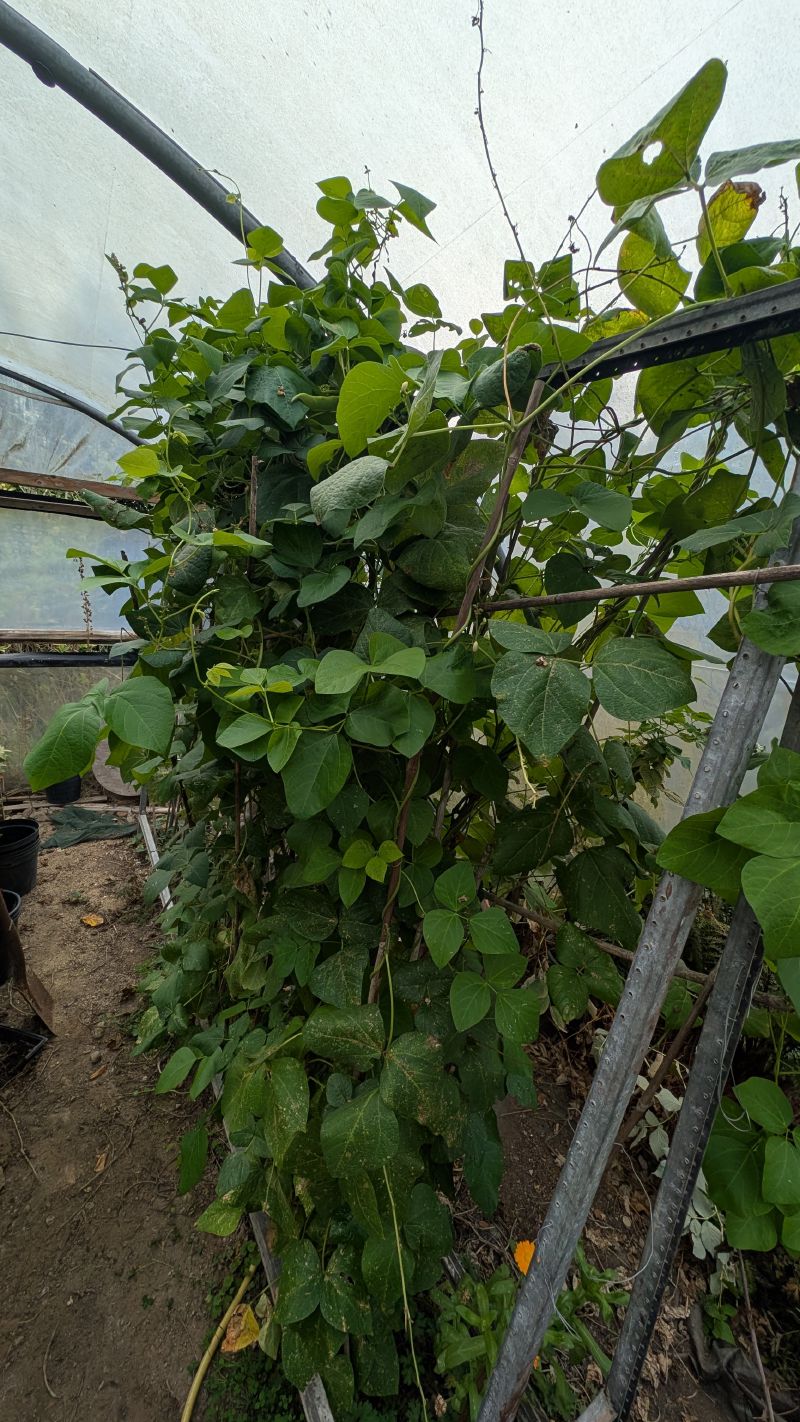
Penn State’s general advice is to transplant four to six weeks before your earliest date for bare ground. Push that date earlier and you need more supplemental heat. A portable heater can cover a cold snap after planting, and some growers fit thermostat-controlled heaters for good.
more
Light sets the limit. In Pennsylvania, until about the middle of February or the start of March, the source says sunlight is too weak to start a crop. The source names two keys to a good crop in a tunnel. They are crop scheduling and ventilation.
Penn State ties the longer season to money. A grower who has crops ready before the field harvest can be first to market, and the gap between one season and the next shrinks. Early and late produce often sells at a higher price.
The source gives tomatoes as an example. Penn State says tomatoes from a tunnel often fetch two to four times the field price. Local fruit is scarce before the field season begins.
A tunnel can also change how much of a crop is sellable. Penn State research found that bell peppers grown in tunnels gave a much higher pack-out percentage, and later work found similar gains with cucumbers. The source adds that these gains must offset the higher cost of production in a tunnel.
A year-round space on Jersey
The same idea works at community scale. In July 2025, BBC News reported that the Jersey group Grow had opened a polytunnel to extend its growing season. The group said the £12,000 tunnel would let it run indoor gardening sessions all year round. The tunnel is 55ft (16.7m) long and 24ft (7.3m) wide. Co-founder Sheena Brockie said the group would no longer have to cancel winter sessions because of poor weather.
What the plastic does not do
Cover alone does not keep deep frost out. Garden Organic says polytunnels and greenhouses give sheltered growing space but need extra insulation to keep deep frost out. It suggests deep pots or grow bags inside.
The same page treats the tunnel as one tool among several, and puts much of the weight on timing. It says the key to vegetables in autumn and winter is to keep sowing, even in mid-summer. Carrots sown in June can feed you over winter. Garden Organic says early varieties crop quickly, which suits both ends of the year. Mini vegetables are ready sooner than full-size ones, which helps where the growing season is short.
Fleece, cold frames and cloches are the other tools. Garden Organic says they protect crops through winter and early spring. It also says you can cover pots and containers with cardboard or hessian, or pack them with straw.
Wind is a concern for every high tunnel. Penn State flags gusts above 60 mph and says the width of the tunnel and the number of purlins matter. It advises following the maker’s guidance on how to set the sides.