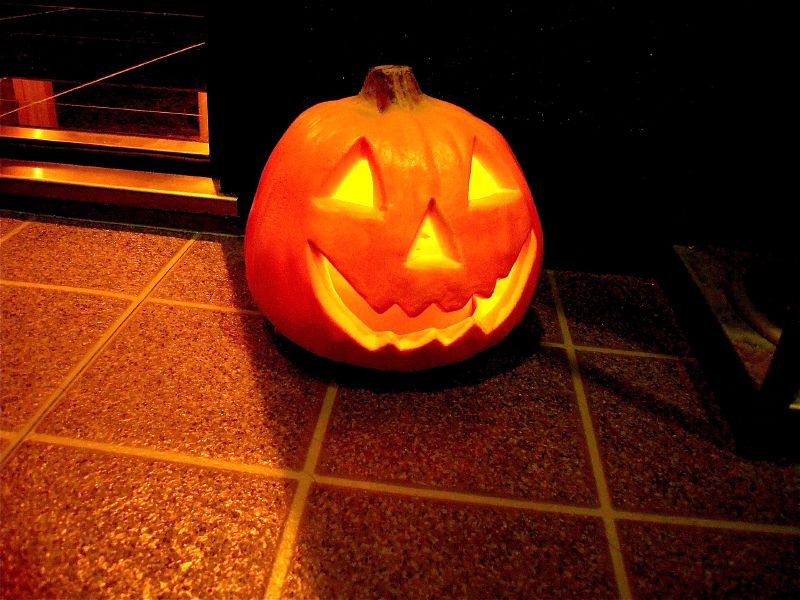
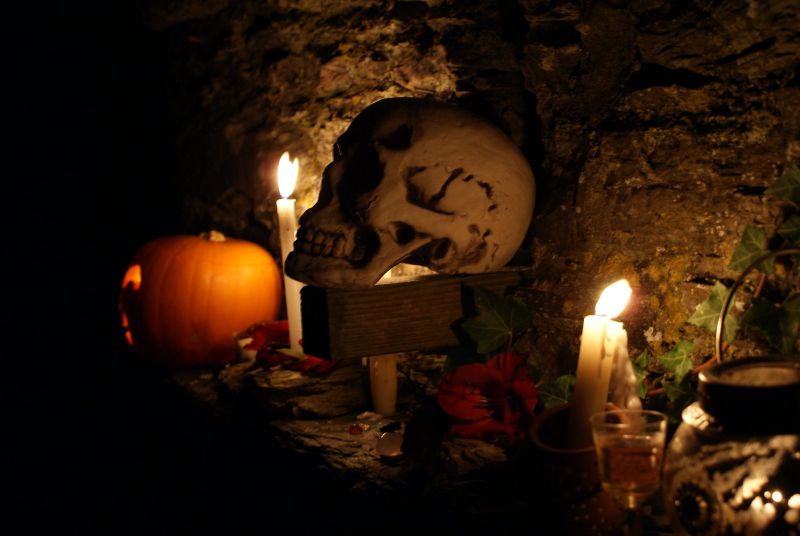
Halloween grew from Samhain, an ancient Celtic festival that marked the end of summer, and from the Christian feasts that later settled on the same dates. The name comes from the Church. Much of the spooky detail comes from older habits that nobody wrote down.
more
Halloween is often seen as a modern American invention. The BBC points out that it dates back more than 2,000 years, to Ireland and a Celtic fire festival.
What was Samhain?
Samhain is pronounced “sow-in” and means summer’s end. The Celts, as Smithsonian Magazine describes them, saw the year as a light half and a dark half. Samhain opened the dark half, when the door between the living and the dead was thought to be at its weakest.
Brenda Malone of the National Museum of Ireland’s Irish Folklife division is the source for that idea of the door. The earliest historical record of the festival is engraved on a bronze calendar found at Coligny in France, dating to the 1st century BCE.
What did people actually do?
Here the sources ask for care. The Guardian’s piece on the subject says we have virtually no idea what rites were held, because northern European pagans left no written record of their ceremonies. Smithsonian Magazine agrees that no historical evidence describes early celebrations.
What survives is later folklore. In that tradition, the royal court at Tara went to the Hill of Tlachtga, where Druids lit a ritual bonfire, and people across Ireland answered with fires of their own. Neighbours walked their cattle between two fires, because the smoke was believed to purify them.
The BBC quotes the anthropologist Lyn Baylis, who calls fire rituals vital to Samhain. She ranks it second among Pagan Celtic fire festivals, behind Beltane on 1 May.
Why the costumes and the apples?
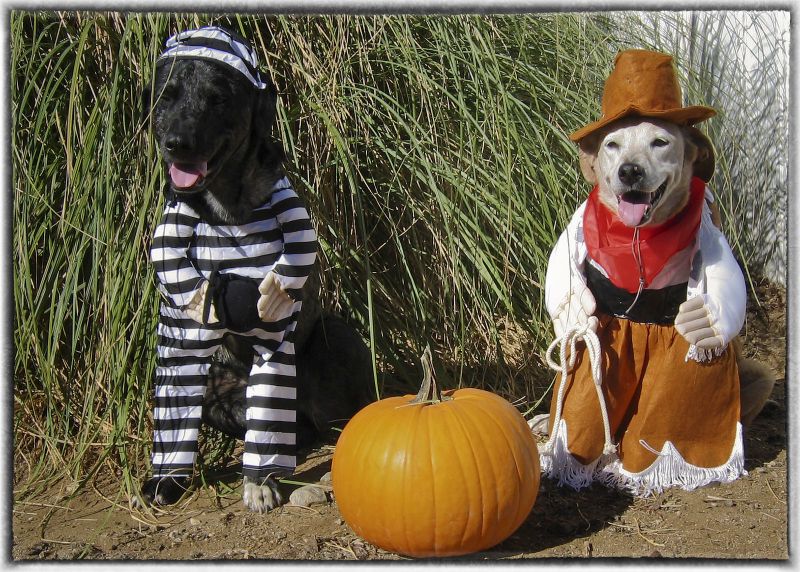
Disguise has a long line. The Library of Congress says the Celts donned disguises to confuse wandering spirits and be left alone. Smithsonian Magazine adds that, by tradition, some people wore animal skins, and in Scotland they wore white or blackened their faces.
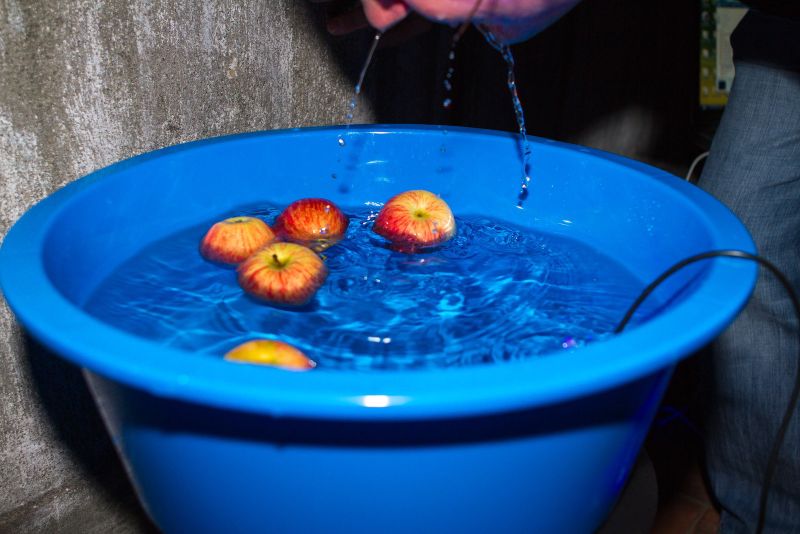
Apples belonged to the same night, because Samhain was a time for foretelling the future. In the tradition Smithsonian Magazine reports, the first person to bite an apple while bobbing for it would be the first to marry. A long unbroken apple peel meant a long life.
The Guardian offers a darker reason for all of it. Winter was the season when more people died than at any other time of year, so Halloween became the festival of divination, and people most often asked who would live through the cold months. Others answered fear with mockery, by dressing as the spirits they dreaded.
How did the Church get involved?
The Library of Congress credits Pope Gregory III with naming 1 November a time to honour saints in the eighth century. All Saints Day then absorbed some Samhain customs, and the evening before became All Hallows Eve, then Halloween.
The sources do not agree on the date. The BBC gives a different story, in which a mission under Pope Gregory I, who served from 590 to 604, told people to fold Christian saints into Samhain. The Guardian places both new feasts later, saying they developed between the ninth and twelfth centuries in Germanic lands and not Celtic ones.
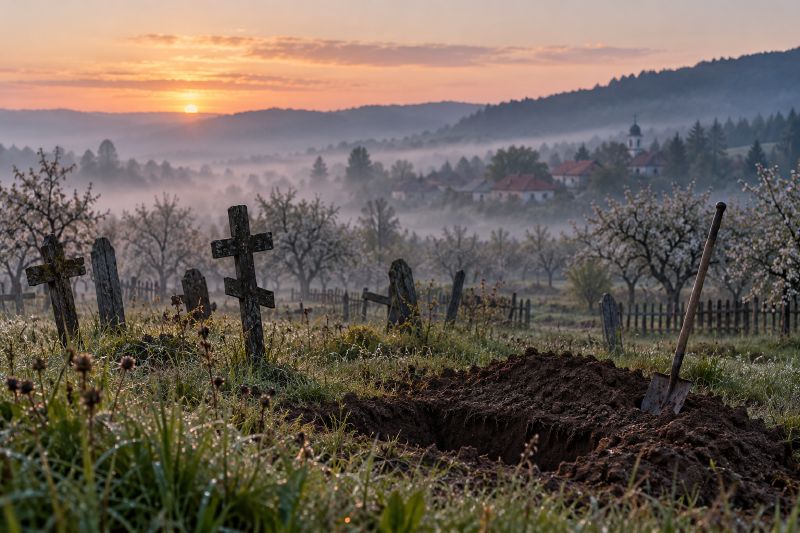
All Souls Day on 2 November let people pray for their dead. The Guardian ties it to the new doctrine of purgatory.
Was Samhain really a festival of the dead?
Not quite, according to the Guardian. It says feasts for the dead in ancient Europe fell between March and May, and the claim that Samhain was the pagan festival of the dead is a common assertion rather than a record.