Southwest Airlines pioneered low-cost flying by stripping out almost everything a traditional airline thought it needed. It flew one aircraft type, the Boeing 737, cut cabin service, and dropped assigned seats. It flew short hops from point to point instead of feeding passengers through hubs.
The man behind it, Herb Kelleher, had trained as a lawyer. “I knew nothing about airlines,” he told National Public Radio in 2016, and he said that ignorance qualified him to start one.
A court fight before the first flight
Kelleher co-founded the airline in 1967 to offer cheap flights between Houston, Dallas and San Antonio. Rival carriers went to court to keep his planes on the ground. The Supreme Court of Texas ruled for him, and Southwest’s first flight took off in June 1971.
By 1973 it was making a profit, and the Guardian reported in 2019 that it had stayed profitable every year since.
What the model cut
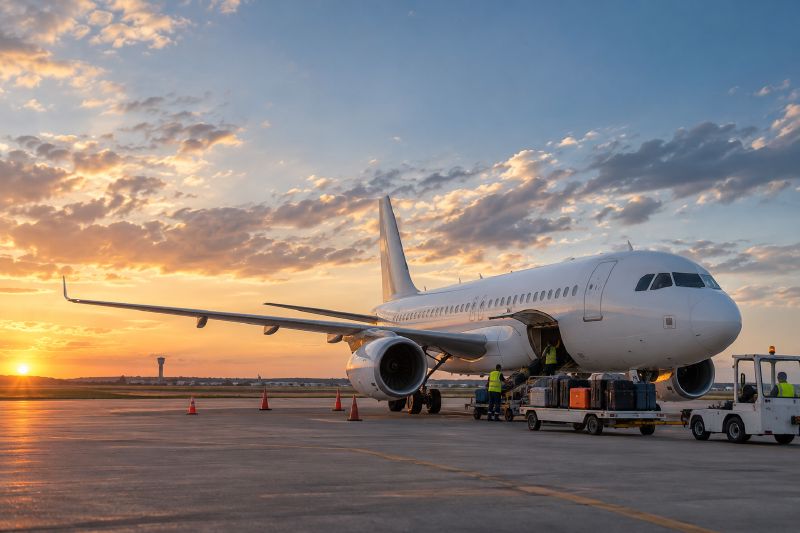
One aircraft type kept engineering, maintenance and pilot training costs down. Secondary airports meant lower charges and fewer delays. Short turnarounds kept each jet in the air and earning, with cabin crew collecting rubbish to speed the job.
Kelleher did not apply the same thrift to pay. He said his staff were why the company succeeded. In a 2011 interview he named his proudest achievement: Southwest never laid off workers after September 11, when the industry shed tens of thousands of jobs.
He also sold the idea loudly. When rivals called his airline cattle class, he made a TV advert with a paper bag over his head and offered the bag to any embarrassed passenger.
Who copied it
Michael O’Leary of Ryanair flew to Dallas in the 1980s to learn how a no-frills airline worked. After Kelleher died in January 2019, aged 87, O’Leary said there would be no Ryanair without him. The BBC named easyJet as another carrier built on the same model.
Ryanair chose the Boeing 737 too, while easyJet picked the Airbus A320 family.
Southwest itself kept growing. Business Insider counted more than 700 Boeing 737s making 4,000 flights a day, the BBC reported.