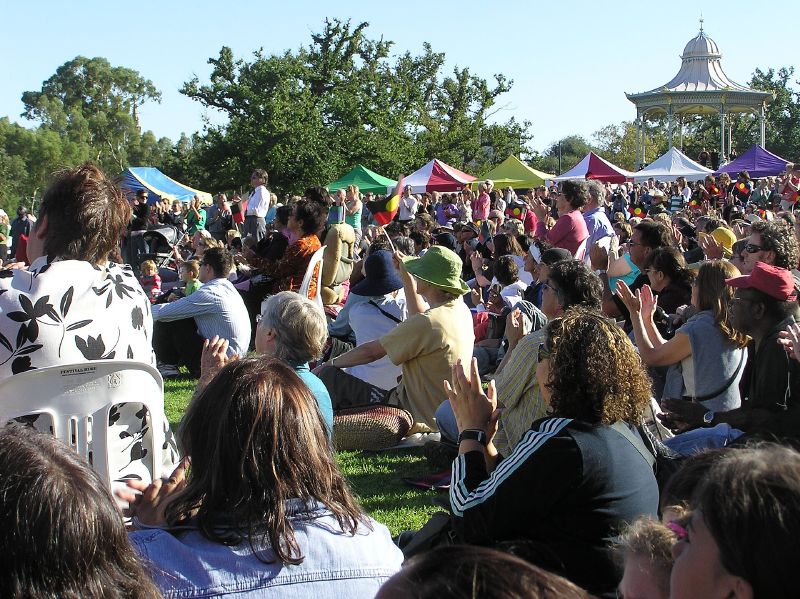
Many of the Aboriginal and Torres Strait Islander people taken from their families as children are now old, and many are still searching for family. The Healing Foundation says governments have let the work stall since the 2008 national apology.
more
Its plan, From Sorry to Action, came out in May 2026, ahead of Sorry Day. It asks federal and state governments for practical help while survivors are still alive to receive it.
Who was taken, and how many
Until the 1970s, every Australian government ran assimilation laws that removed Aboriginal children from their families, communities and culture. Children went into institutions or were fostered and adopted out to non-Indigenous families, and many never came home.
Estimates of the scale vary. The Guardian reports that between one in ten and one in three Indigenous children were removed between 1910 and 1970. The Independent put the number above 100,000 children.
What survivors say they still need
Access to records is one gap. The foundation says many survivors are still waiting to see files held by churches and government agencies.
The plan also asks for four things:
- culturally safe, trauma-informed aged care, since most survivors now qualify for it
- an end to medical co-payments for survivors
- a priority card for primary health and aged care
- a redress scheme in every state and territory
Shannan Dodson, the foundation’s chief executive, said the country had lost thousands of survivors while the same calls went unanswered for close to 30 years.
Where compensation stands
In August 2021, Prime Minister Scott Morrison announced one-off payments of A$75,000 each, from a fund of almost A$400 million. That scheme covered living survivors removed as children in the Australian Capital Territory and the Northern Territory. Most Australian states run their own schemes.
Western Australia announced a redress programme in the year before the plan. That leaves Queensland as the only jurisdiction without a targeted scheme.
One survivor’s route home
Aunty Lorraine Peeters was four when she and her siblings were taken from Brewarrina mission in north-west New South Wales. She spent six years at the Cootamundra Aboriginal Girls Home, where she was kept apart from her brothers and sisters.
Her parents died before she could see them again. She later went back to the tree where she was born and kept some of its earth and bark beside her bed. She testified at the national inquiry behind Bringing Them Home and co-founded the Coota Girls Aboriginal Corporation 13 years ago. At 88, she presses governments to back the plan.