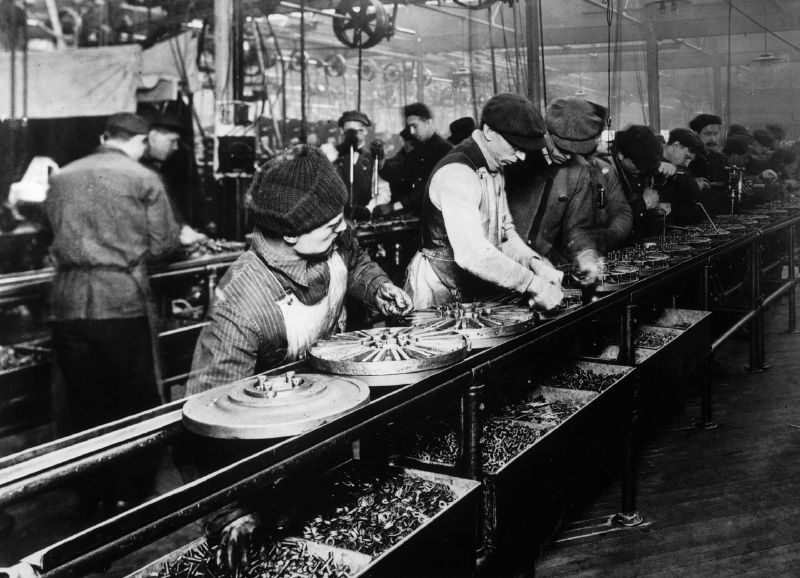
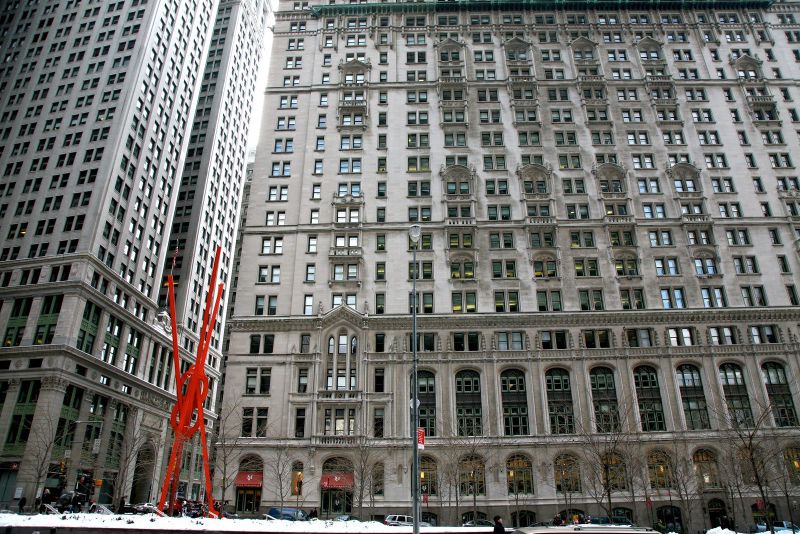
A locked stairwell door trapped workers on the ninth floor of a New York garment factory on March 25, 1911, and 146 of them died in the fire that followed. New York answered with thirty-eight new laws ordering factories to improve their fire safety. The blaze at the Triangle Waist Company was the deadliest industrial disaster in New York City’s history. Most of the workers were young women and girls whose families came from Southern and Eastern Europe, many of them Jewish, and they spent long hours sewing the blouses called shirtwaists.
more
Why the ninth floor had no way out
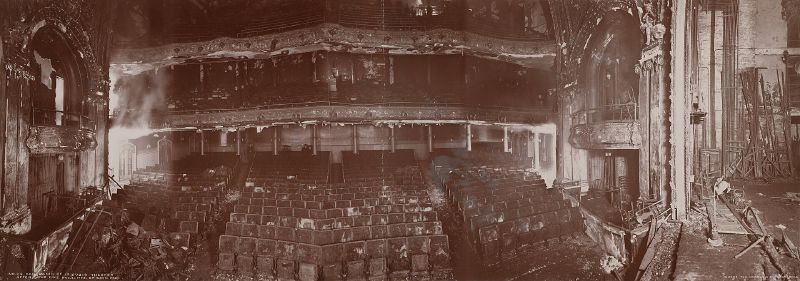
A dropped match or cigarette probably set a bin of fabric scraps alight on the eighth floor of the Asch Building. The floor was gone within five minutes. A telephone call reached the tenth floor in time to warn most of its workers, who escaped across the roof on ladders lowered by students from a law school next door. Nobody warned the ninth. The worker who had taken that call never put the phone down again, so no second call went through, and the building carried no alarm bell that reached the middle floor at all.
By the time flames climbed the air shaft into view, the roughly 250 people on the ninth floor found their main stairwell door locked, the method the owners used to stop unauthorised breaks. Two elevator operators kept running their cars back into the smoke and saved at least 150 people between the two upper floors. The fire escape twisted apart under the weight of those trying to cross it, and the life nets firefighters spread below proved useless. Engines that reached the street within minutes carried ladders that stopped three storeys short, at the sixth floor. With nowhere left to go, workers went out of the windows instead. By the time it burned out, 146 of the roughly 500 people who worked there were dead.
A trial, then thirty-eight new laws
Factory owners Max Blanck and Isaac Harris stood trial for manslaughter that December, after months of newspaper coverage had turned public feeling against them. Their lawyer, Max Steuer, made a surviving witness repeat her testimony again and again. He then argued to the jury that she had learned it by heart rather than lived it. After three weeks and more than a hundred witnesses, the jury cleared both men, on the finding that neither had known a locked door sat on the ninth floor. Public outrage did what the courtroom had not, and increased demands for government regulation.
New York City and State set up commissions to look at factory conditions, with backing from the reformer Robert F. Wagner and the Tammany Hall politician Al Smith, and the legislature passed thirty-eight new laws. The new laws required factories to improve their fire safety, cut the hours women and children could be made to work, and gave a factory’s staff proper washrooms and a place to eat. TheLegalist, a legal news site, reports that the fire-safety rules also required unlocked exit doors that swing outward. The disaster strengthened the labour movement, too, and the International Ladies’ Garment Workers’ Union demanded justice for the victims. At a memorial meeting a week after the fire, union leader Rose Schneiderman told the room: “Too much blood has been spilled.”
New York passed that fire-safety overhaul because a locked door had trapped the ninth floor, and no other New York factory was meant to make the same mistake again.