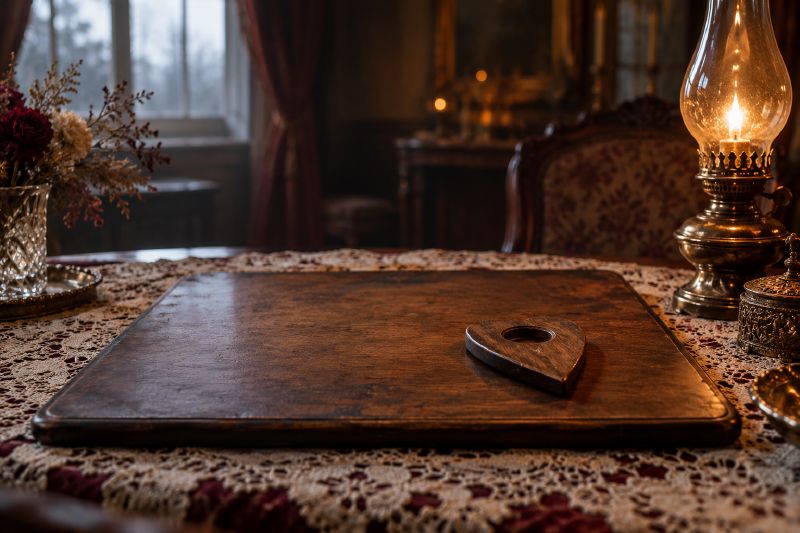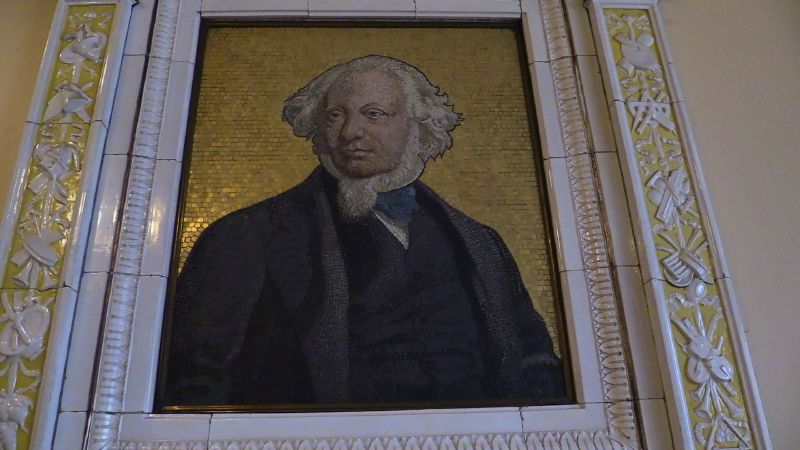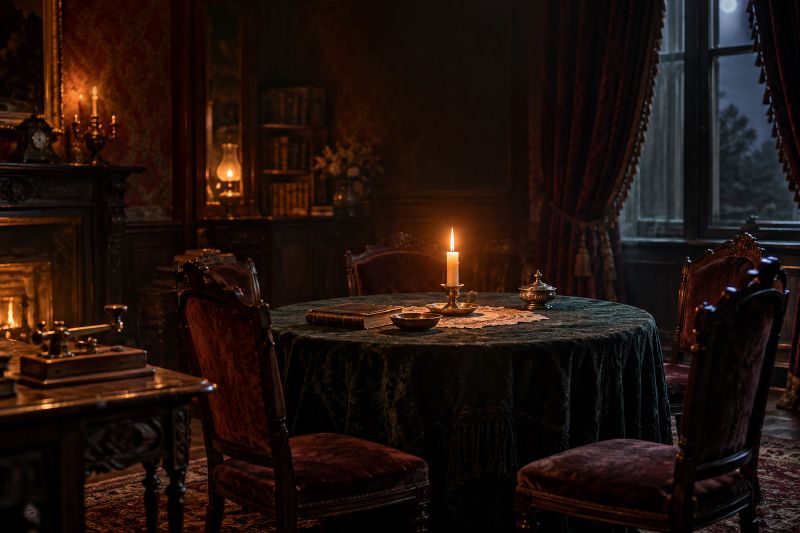
Seances took hold in Victorian Britain in an age when new science made the impossible feel within reach. To some, the telegraph made a message from the dead seem a smaller step.
Two girls and a code of taps
Modern spiritualism began in America. On 31 March 1848, Kate and Margaret Fox, aged 11 and 14, announced that they would contact the spirit world. They used a code of taps, one for yes and two for no, to chat with a ghost in their New York State home.
Word spread fast. Soon the girls were showing their skill to 400 locals in the town hall. Within months, the Guardian reports, a new religion had emerged. It mixed liberal, nonconformist values with fireside chats with the dead.
Why the telegraph mattered
The Fox sisters’ biographer, Barbara Weisberg, links the craze to the pace of change. Two decades earlier, she says, much of what people now took for granted would have seemed impossible. Her reasoning ran like this: a wire could carry words between distant places, so why not between the living and the dead?
The BBC notes that the first transatlantic telegraph message came only four years before the Fox claims. The Guardian adds that it was a time when religion and rationality clashed, and some churchgoers went looking for evidence for their beliefs.
Scientists in the parlour
The craze spread through Victorian society, and people from every level crowded into dim parlours to hear knocks and raps. Cambridge historian Dr Richard Noakes says scientists felt they had to be the ones to investigate any apparent defiance of gravity.
Michael Faraday attended two seances during the table-turning fashion. He devised an experiment, found a rational explanation, and dismissed supernatural causes. The chemist William Crookes was more open to a psychic force. He tested the medium Daniel Dunglass Home with a device he called a radiometer.
John Logie Baird, who built on Crookes’ work to create television, wrote after a 1926 seance that he was convinced important discoveries lay along “shadowy and discredited paths”. The Guardian lists the biologist Alfred Russel Wallace and Sir Arthur Conan Doyle among the movement’s followers.
What the movement survived
In 1888, the Fox sisters admitted they had faked it all. That did not end spiritualism. The Guardian says it thrives today in more than 350 churches in Britain.
The BBC reports that no scientist has proved seances were more than an elaborate con trick. Psychologist Richard Wiseman recreated Victorian seances for 152 people across eight sittings. A fifth of them afterwards believed they had seen something paranormal.