A kelp forest protects a coast by getting in the way of the water. NOAA explains that the drag from large kelps slows ocean currents, and that slower water inside the forest means less wave action on the shore behind it. Weaker waves wear away less of the coast, which cuts the cost of defending or replacing property there.
The Smithsonian’s National Museum of Natural History makes the same point, and adds why it matters more now. Sea levels are rising and storms are arriving more often.
more
A forest with no roots
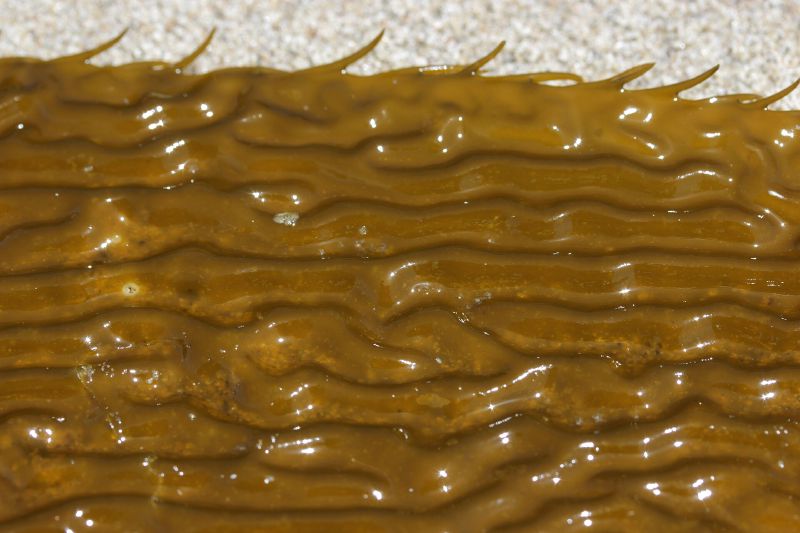
Kelp looks like a tree but is a large brown alga. It has no roots. A holdfast grips the rock instead, a stipe works as a stem, and fronds do the work of leaves. In many species a gas-filled bladder called a pneumatocyst lifts the heavy blades towards the light.
That anchoring is why kelp can colonise rocky reefs where few other plants manage to grow. It also grows fast. The National Park Service puts its top speed at about 1.5 feet a day, and its length at up to about 262 feet.
Kelp favours cold, clear, nutrient-rich water, usually on the western coasts of continents. The Smithsonian says kelp forests cover about 25 percent of the world’s coastline. They grow mostly in water of 5 to 20 degrees Celsius, at depths of 15 to 40 metres.
What the calm water is for
The shelter a forest gives the shore, it also gives the animals inside it. Currents around a kelp forest can run very strong, but inside the forest the plants slow them sharply. NOAA says that calm, together with the tangle of blades and holdfasts, gives refuge to fish, invertebrates and marine mammals.
The National Park Service counts more than 1,000 species of animals and plants that find food and shelter in kelp. Young fish hide there from predators until they reach adult size. Because kelps build the habitat that so many other species need, NOAA calls them foundational species.
The effect spreads beyond the forest edge. Fish that live elsewhere feed on the animals that grow in the kelp. When a plant tears free, it floats off as a kelp paddy, a rare patch of shelter in open water that draws fish such as sharks and the ocean sunfish.
What people take from it
The coast pays people back in more than erosion control. NOAA lists kelp bass and several rockfish species among the fishery species that depend on the habitat. Divers and kayakers come to the forests, which brings tourism income.
Kelp is harvested too. Large-scale harvest began in World War I, when kelp was a source of potash for gunpowder, and the unregulated cutting of that era did heavy damage. Harvesters now take only the upper canopy, mainly for algin, a gelling agent used in foods and medicines.
What pulls a forest down
One threat comes from the food chain. Urchins, fish and snails graze kelp, and predators normally hold their numbers down. In California, the loss of sea otters and heavy fishing of spiny lobster let the purple sea urchin spread and eat the kelp. A forest can become bare seafloor quickly, and the nursery grounds go with it.
Heat is another danger. Kelp needs cold water, and NOAA names warming seas from climate change as a major threat, along with El Niño events. Pollution from runoff can stunt growth, and heavy sediment can smother young kelp.
Protection helps.
A University of California, Los Angeles study used satellite images from 1984 to 2022 to compare kelp inside and outside 54 marine protected areas in California. After the marine heatwaves of 2014 to 2016, kelp in the protected areas recovered faster on average. Lead author Emelly Ortiz-Villa linked the stronger regrowth to places where fishing is restricted and predators such as lobsters and sheephead are protected.