A pulled or overstretched muscle, tendon, or ligament in the lower back is the most common cause of back pain, the Cleveland Clinic says. Low back pain itself is more common in women than in men, and it is already the single leading cause of disability worldwide, according to the World Health Organization.
The scale of the problem is large and growing. The World Health Organization counted 619 million people living with low back pain in 2020 and expects that figure to reach 843 million by 2050 as the population grows and ages. A review published through PubMed Central goes further for women specifically, citing the 2017 Global Burden of Disease Study to call low back pain the leading cause of disability among women worldwide.
more
Why the lower back gives out first
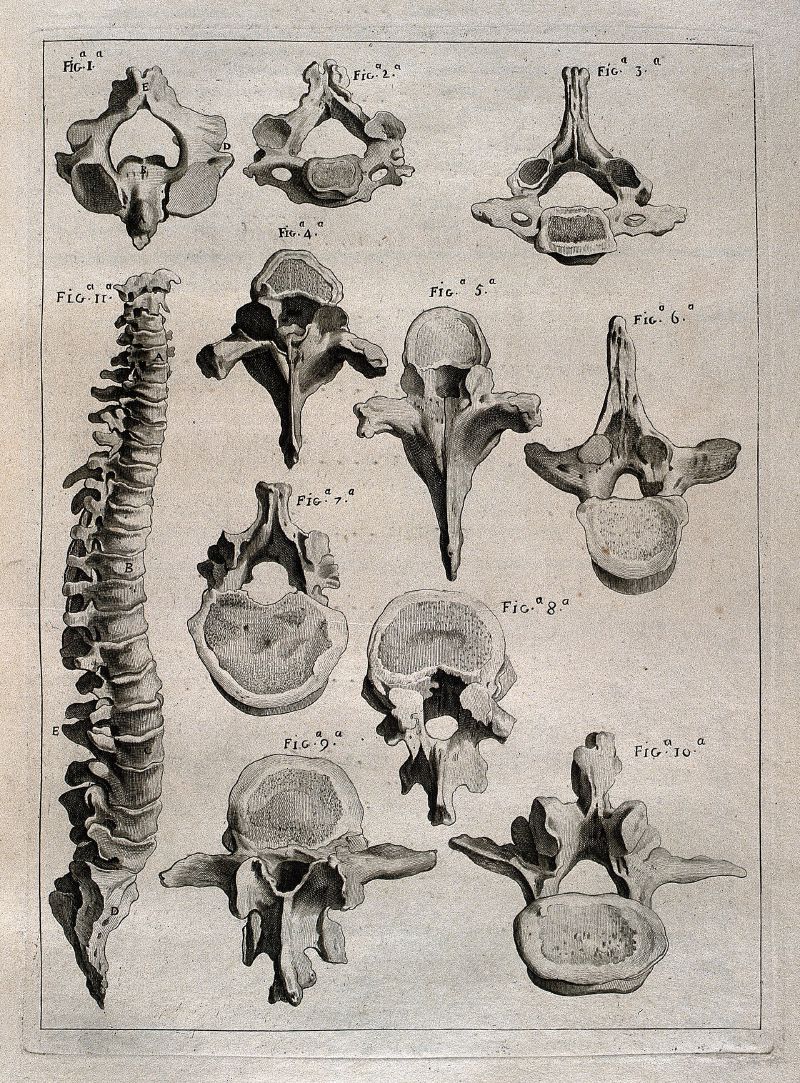
The lumbar vertebrae, the bones of the lower back, do a lot of work. They stabilise the rest of the spine, anchor the muscles and ligaments used for walking, lifting, and twisting, and carry most of the body’s weight, the Cleveland Clinic says. A fault in any one of those jobs shows up as pain in that spot.
The National Institute of Arthritis and Musculoskeletal and Skin Diseases divides the spine into four regions: the neck, the mid-back, the lower back, and the sacrum and coccyx at its base. Between each pair of vertebrae sits an intervertebral disc, a cushion that acts like a shock absorber, held in place by ligaments and moved by muscles that attach through tendons. The lower back supports most of the body’s weight.
What causes most of it
About 90 percent of low back pain has no single identifiable disease or structural cause behind it, so clinicians file it as non-specific, both the World Health Organization and the PubMed Central review say. The remainder, called specific low back pain, traces to something identifiable. It can be a vertebral fracture, an inflammatory spinal condition called axial spondyloarthritis, a tumour, an infection, or a problem elsewhere in the abdomen that refers pain to the back.
The Cleveland Clinic names strains and sprains as the most common causes of back pain. Disc problems are another cause. A disc can bulge and press on a nerve, tear, or simply flatten and cushion less as it ages. Structural changes can also cause it: a narrowed spinal canal, called spinal stenosis, and a vertebra slipping forward over the one below it, called spondylolisthesis. Osteoarthritis, the type of arthritis most often behind lower back pain, sits on that list too. The National Institute of Arthritis and Musculoskeletal and Skin Diseases adds that back pain grows more common after the age of 45, and that some of the spinal disorders behind it run in families.
What falls mostly on women
Sex and gender are different things, and the PubMed Central review treats them separately because both shape back pain. Sex covers the biological differences: hormone levels, reproductive anatomy, and the cyclical changes that come with them. Gender covers the social ones: the work women do, the caregiving expected of them, and how readily they feel able to seek care.
Hormones do measurable work here. The review reports that shifting oestrogen and progesterone across the menstrual cycle affect how pain is perceived. It adds that hormonal changes in pregnancy can alter the mechanics of the spine and pelvis, potentially causing low back pain. The Cleveland Clinic lists menstrual cramps and pregnancy among the temporary causes of lower back pain that are specific to women. Pregnancy pain is most common in the second and third trimesters, as weight increases and the centre of gravity shifts forward.
The review also points to a gap in how care happens, not just in the body. Women bring symptoms to a clinician later and in worse health than men do, and after spinal surgery they report more pain and disability even where their overall improvement matches men’s. Clinician bias and differences in how women’s pain gets reported both play a part, the review says, alongside social pressure that can delay women from seeking treatment at all.
Work matters too. Jobs with heavy lifting, prolonged sitting, or repetitive movement raise the risk of low back pain. The review notes that household chores, child-rearing, and caregiving, which gender roles often assign to women, can also raise the risk of musculoskeletal strain.
Where hormones and the pelvis add causes of their own
Endometriosis is a condition in which tissue like the lining of the womb grows outside it. It affects an estimated 10 to 15 percent of women of reproductive age, and lower back pain can be one of its symptoms, Harley Street Specialist Hospital says. Pelvic inflammatory disease, an infection of the reproductive organs that mainly affects sexually active young women, can also cause lower back and pelvic pain, and it can come with fever and unusual discharge.
Anatomy plays a part beyond the reproductive organs. Premia Spine says a woman’s wider pelvis and a deeper inward curve in the lower spine increase the strain the lumbar region carries over a lifetime. Later in life, weak and brittle bones from osteoporosis can lead to fractures and pain in the back, Winterton Medical Practice’s NHS-published guide notes. Premia Spine adds that declining oestrogen after menopause reduces both bone density and muscle mass.
When back pain needs a doctor
Almost half of low back pain cases resolve within one to two weeks, and 90% within six to 12 weeks. The National Institute of Arthritis and Musculoskeletal and Skin Diseases says to see a doctor if any of the following happen alongside the pain:
- severe pain that does not improve with medication
- pain that started after a fall or another injury
- trouble urinating, or weakness, pain, or numbness in the legs
- fever
- weight loss you did not intend
Winterton Medical Practice’s NHS-published guide adds difficulty controlling the bladder or bowels to that list, and treats persistent or severe pain as its own reason to get checked rather than waiting it out.
Pain with fever, leg weakness, or a change in bladder control is a reason to see a doctor rather than wait it out.