In most people with high blood pressure, doctors cannot name one cause. The British Heart Foundation says there is usually no specific reason, only things that push the risk up. Cleveland Clinic calls this primary hypertension, where ageing, genes and family history combine over time.
A smaller group has what doctors call secondary hypertension. Here a condition, a medicine or a drug is doing the damage, often quickly.
more
What the two numbers measure
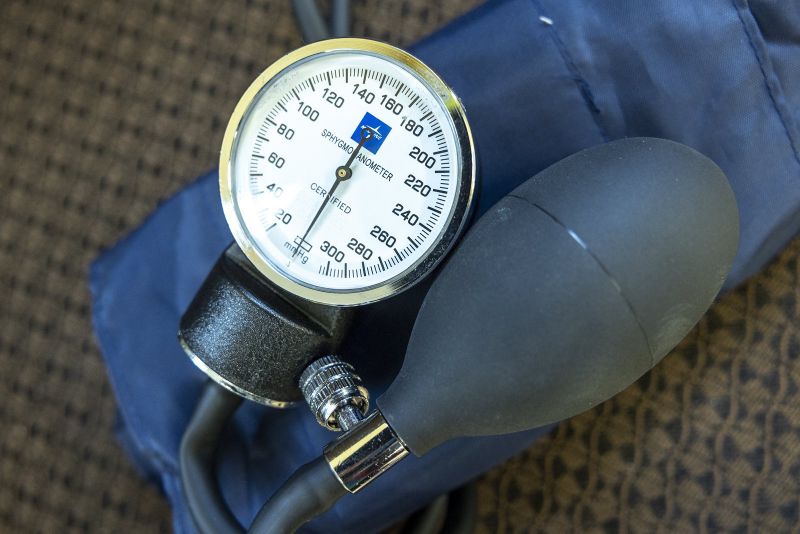
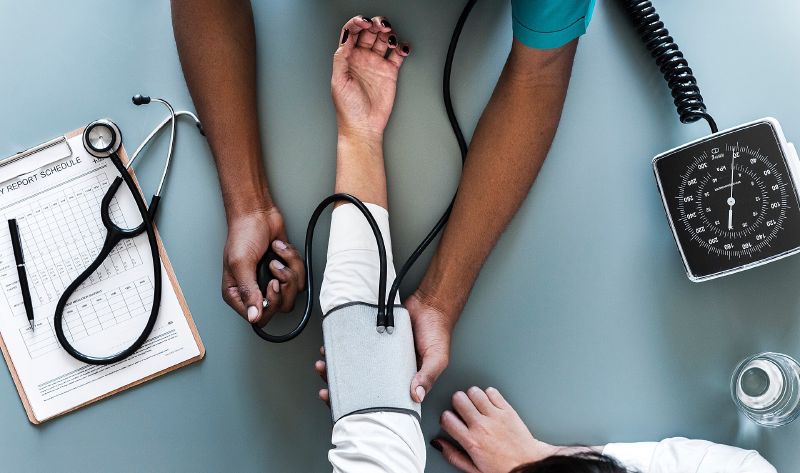
Blood pressure is the push of blood against the walls of the arteries. A reading has two figures. The higher one, systolic, is the pressure while the heart pumps. The lower one, diastolic, is the pressure while it relaxes between beats.
Pressure rises and falls through the day and night, and it goes up when you move about. High blood pressure means it stays high even at rest.
What pushes the pressure up
Cleveland Clinic describes three things that act on blood pressure. The nervous system shifts it through the day. Extra fluid in the circulation raises it, and salty food draws that fluid in. The kidneys and the hormones that regulate pressure play a part too.
The NHS lists the factors that raise your chances of developing it:
- getting older
- close relatives with high blood pressure
- a Black African, Black Caribbean or South Asian background
- a diet high in salt
- drinking too much alcohol
- long periods of stress
The British Heart Foundation adds too little fruit and veg, too little exercise, and carrying weight around the middle. Cleveland Clinic adds smoking, and puts the age line at over 55.
When there is a cause to find
Secondary hypertension has a trigger that can be named. Cleveland Clinic gives narrowed arteries to the kidneys, known as renal artery stenosis, as one example. It also names antidepressants, immunosuppressants and anti-inflammatory painkillers such as NSAIDs. Alcohol, nicotine and recreational drugs can do it too.
The British Heart Foundation lists obstructive sleep apnoea, which breaks up sleep. It also names some contraceptive pills and some over-the-counter and herbal remedies. If you think a medicine might be raising your pressure, the charity suggests asking a doctor or pharmacist.
Pregnancy is its own case. About one woman in ten develops high blood pressure while pregnant, often because of pre-eclampsia.
The part the immune system plays
Some researchers now look beyond the heart and kidneys. In 2007 Tomasz Guzik, now at the University of Edinburgh, found that mice without a working immune system did not develop severe hypertension. When their T lymphocytes were put back, the protection went.
On this view, immune cells in the vessel walls set off inflammation that stiffens the vessels. Science Focus reports that later work in people pointed the same way.
Where “high” begins depends on the country
The NHS usually treats 140/90 or above in a clinic as high, or 135/85 at home. In the United States the line sits lower, at 130 systolic or 80 diastolic. Europe uses 140/90, like the UK.
Why so many people miss it
High blood pressure rarely causes symptoms, so many people do not know they have it. The World Health Organization estimates that 44% of adults with hypertension are unaware of it, according to Cleveland Clinic.
Left untreated, it strains the heart, the blood vessels and organs such as the kidneys and eyes. The NHS says a check is the only way to find out. If you are 40 or over and have not had one for five years, it advises getting one at a pharmacy or GP surgery.