When a UK bar, restaurant or salon adds a service charge to a bill, the money belongs to the staff who served the table. It does not belong to the business that collected it. A law that took effect on 1 October 2024 bans employers in England, Scotland and Wales from keeping any part of a tip, whether a customer pays in cash or by card.
more
More than three million service workers stand to gain, most of them in restaurants, cafés, bars, pubs, hairdressing and taxi driving. Northern Ireland is not yet covered. Its executive is still drafting separate workers’ rights legislation after a public consultation, and the union Unite called the gap “completely unacceptable.”
What counts as a service charge under the law?
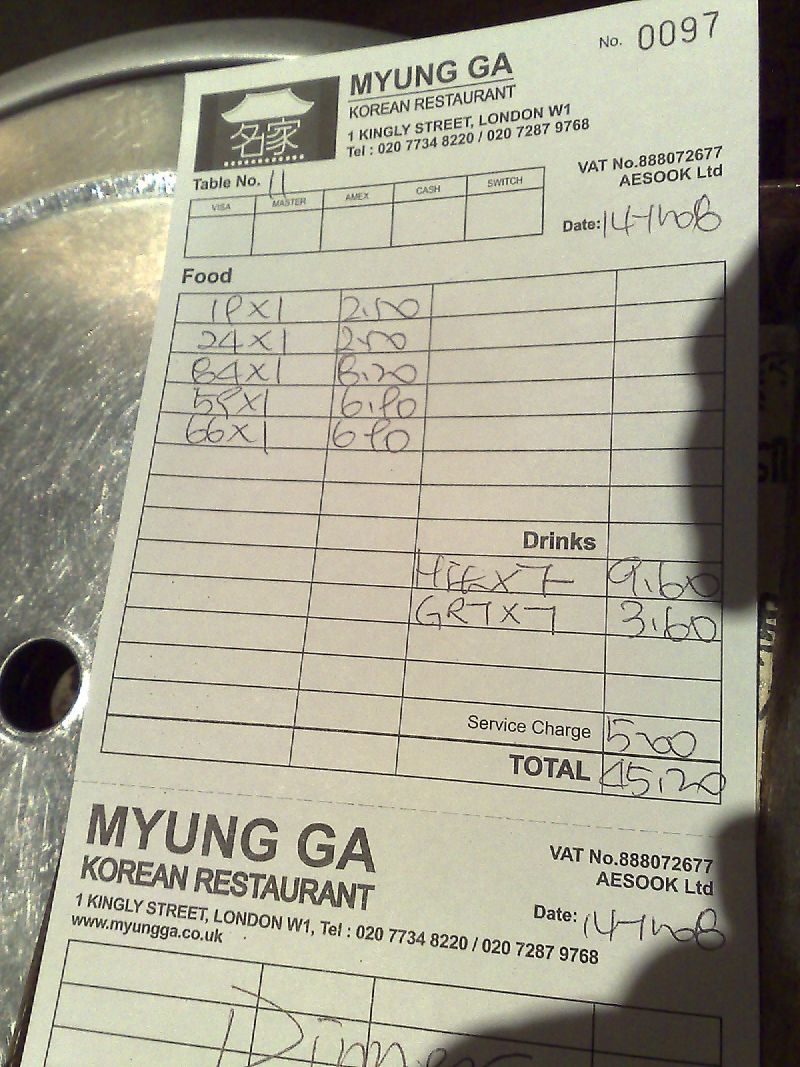
The rule reaches any tip, gratuity or service charge that an employer collects and shares out. A service charge added to a bill before a customer even sees it qualifies, because the money passes through the business before it reaches a worker. A card tip added at the payment terminal counts too, for the same reason.
Cash a customer hands straight to a member of staff sits outside the rule, as long as the business never touches it. If a worker pockets that cash themselves, the law has nothing to say about it.
Who the law covers, and who it leaves out
Anyone whose employer collects tips and shares them out is covered, including a worker on a zero-hours contract. Self-employed workers are not. A tip a customer pays straight to a worker through a tipping app also sits outside the rule.
An employer can deduct only tax and National Insurance from what it owes a worker, and nothing else, so a charge for processing a card tip is not allowed. The money has to reach staff by the end of the month after the one in which the customer paid it. A tip given on 12 October, for example, must reach the worker by the end of November.
Fair shares, not necessarily equal ones
An employer does not have to split tips equally, only fairly, clearly and reasonably, and it can pay more to staff who have worked there longer or follow a customer’s wish to tip one worker. Tom Moyes, a partner at Blacks Solicitors, said the law aims for “transparency and fairness” in how the money is handed out. What counts as fair is not settled by guidance, he said. He pointed to one open question: whether a more senior worker should get a bigger share of the tip pool, or a smaller one.
Ordinary discrimination law still applies to how the pool is divided. A scheme that leaves men with a larger share than women doing the same job would be discriminatory, whatever the business calls it. An employer that changes its tipping policy should check its staff agree with the new terms first.
The paperwork an employer has to keep
A business that takes tips on more than an occasional basis needs a written policy, one that is fair and easy to understand. It has to make that policy available to every worker. It must also keep a record of every tip paid, and a worker can ask to see that record going back three years. A business that only gets the occasional tip does not need a written policy.
Some businesses hand the job to a tronc, organised by a troncmaster who divides the pool and answers for the income tax due on it. Whether or not a tronc is involved, the underlying duty to pay workers in full and on time stays the same.
What a worker can do if the money doesn’t turn up
A worker who is refused their share, or paid late, should raise it with their manager first, and Citizens Advice sets out the steps for a formal grievance if that gets nowhere. Staff can also take an employer that breaks the law to an employment tribunal, the BBC reported.
Reaction split along predictable lines. Bryan Simpson, Unite’s hospitality organiser, called the affected staff “the lowest paid workers in the British economy” and said the change would help them “massively.” Nisha Katona, who owns the Mowgli Street Foods chain, backed the law but warned of “some casualties” among businesses that had not prepared for it. Tom William once worked for a chain restaurant that took 3% of everything serving staff sold, regardless of what customers left. He said the change gives low-paid, high-turnover staff “a level of protection.”
What the law leaves to custom
The law governs only what happens to money once it has been given, not how much a customer hands over. VisitLondon, the capital’s official tourism guide, puts the customary rate at 10% to 15% when eating out, and says taxi passengers usually round the fare up to the nearest pound rather than add a percentage. Kate Nicholls, chief executive of UK Hospitality, said Britain has no fixed rule on tipping and leaves the amount to the customer, unlike the US, where a tip is normally expected regardless of the service. Tipping in a bar or pub is not expected at all.
None of that custom is enforceable. What the law fixes is narrower and more basic: once a tip or service charge reaches the business, it belongs to the people who earned it, in full and on time.